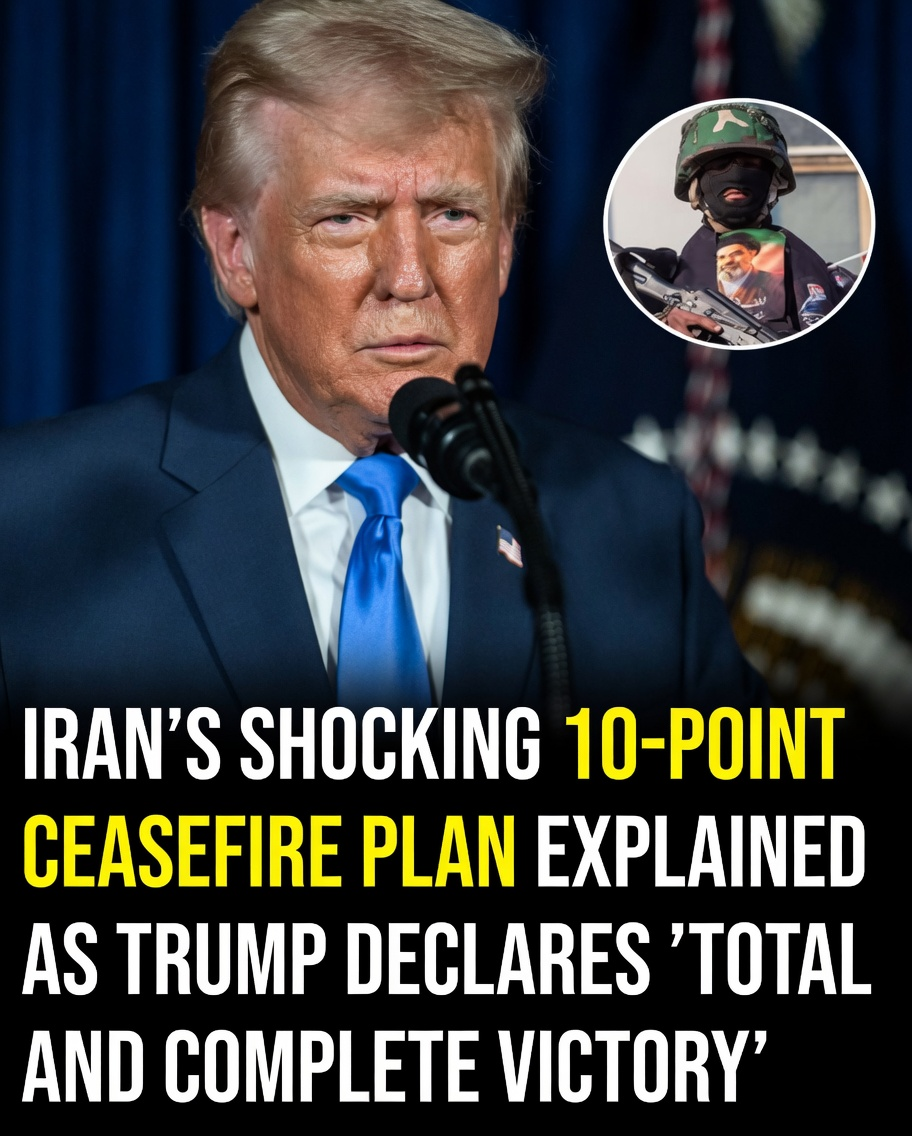
The world is holding its breath. As of early May 2026, a fragile truce between the United States and Iran has paused active hostilities, but the real drama is unfolding behind closed doors in Islamabad and other neutral capitals. A secret 10-point proposal — now expanded into a broader 14-point framework in some reports — has created a high-stakes 14-day countdown that could either deliver a historic peace deal or mark the beginning of a new, diminished era for American influence in the Middle East and beyond. This isn’t just another diplomatic dance. It’s a potential turning point that will shape global power dynamics for decades.
The current ceasefire, which began in early April, came after intense U.S. and Israeli strikes on Iranian nuclear and military infrastructure. What started as a limited operation to degrade Iran’s nuclear ambitions has evolved into a complex negotiation involving multiple regional players. Pakistan has emerged as a key mediator, shuttling proposals between Washington and Tehran. The 10-point plan (with elements reportedly growing into 14 points) represents Iran’s counter-offer — a comprehensive package that goes far beyond simply pausing the fighting.
What’s Actually on the Table?
While full details remain closely guarded, key elements reportedly include:
- A complete end to hostilities, not just a temporary ceasefire.
- Guarantees against future U.S. or Israeli military aggression.
- Withdrawal of American forces from Iran’s immediate periphery.
- Lifting of economic sanctions and release of frozen Iranian assets.
- Payment of war reparations.
- A new security framework for the Strait of Hormuz.
- Limitations on Iran’s support for regional proxy groups.
- A long-term nuclear understanding (though Iran insists nuclear talks are not currently on the table).
The proposal demands resolution of all major issues within 30 days — a tight timeline that has diplomats working around the clock. For the Trump administration, accepting these terms would represent a dramatic shift from maximum pressure to negotiated compromise. For Iran, it offers a path to economic relief and regional legitimacy without full capitulation on its nuclear program.
The High-Stakes Brinkmanship
This 14-day window is more than a deadline — it’s a pressure cooker. Both sides know that failure could quickly reignite open conflict, with catastrophic consequences for global energy markets, shipping lanes, and regional stability. Oil prices have already swung wildly on rumors and leaks. The Strait of Hormuz remains a powder keg, with Iranian naval forces and U.S. assets in a tense standoff.
Critics of the proposal argue it rewards Iranian aggression and signals weakness at a time when American dominance should be reasserted. Supporters see it as pragmatic statesmanship — recognizing that endless wars in the Middle East have drained American resources and credibility for little long-term gain. The truth likely lies somewhere in the messy middle: a calculated gamble where both sides are trying to claim victory while avoiding total defeat.
Why This Matters for Everyday Americans
While the negotiations happen in distant rooms, the outcomes will hit home in very real ways:
- Energy Prices — Any lasting deal could stabilize oil markets and bring down gas prices. Failure could send them skyrocketing again.
- National Security — The resolution will shape America’s posture in the Middle East for years, affecting military spending, alliances, and future conflicts.
- Economic Ripple Effects — Markets hate uncertainty. A clear path forward could boost investor confidence; prolonged tension could trigger volatility.
For the first time in years, serious multilateral diplomacy is attempting to address root causes rather than symptoms. Whether this represents smart power or strategic retreat remains hotly debated in Washington and beyond.
The Human and Historical Weight
Behind the geopolitical chess moves are real human stakes. Families in Iran and across the region have suffered through years of sanctions, conflict, and uncertainty. American service members and their families have borne the burden of repeated deployments. A successful agreement could save lives and resources on all sides. A collapse could plunge the region back into open warfare with global consequences.
This moment feels like a genuine historical pivot. The next two weeks will test whether diplomacy can succeed where military pressure has reached its limits. The 10-point (or 14-point) proposal represents more than a list of demands — it’s a test of whether old enemies can find a new path forward in a changed world.
As the countdown continues, the world watches. Will this be remembered as the moment bold leadership chose peace over pride? Or as the beginning of a slow erosion of American resolve in a dangerous era? The answer may come sooner than anyone expects.
The clock is ticking. The stakes could not be higher. And the next 14 days may well determine the shape of the Middle East — and America’s role in it — for the rest of the century.
Most Popular!
-
 Altar of Betrayal: My Sister Stole My Groom and My Wedding Dress — But I Left Her With a Debt That Will Haunt Her Forever
-
From Ruined Jacket to Masterpiece: How My Sister and I Turned Bullying Into Our Greatest Symbol of Strength
-
Middle East Meltdown: Why US Officials Are Urging Americans to Reconsider Travel Amid Dramatic Military Escalation
-
The Butter Battle Finally Settled: Why You’ve Been Storing Your Favorite Kitchen Staple All Wrong (And the Secret to Perfect Toast Every Single Time)
-
I Ate at Cracker Barrel for Years – Then I Finally Noticed These Hidden Details That Changed Everything
-
I Raised My Late Fiancée’s 10 Kids Alone for 12 Years – Then My Daughter Told Me the Truth About Her Mother and It Changed Everything
-
I Fed the Meanest Old Man on My Street for Years – When He Died, His Will Exposed a Secret That Shocked Everyone
-
“We Cannot Keep Her,” My Husband Said During Our Baby’s First Bath – What I Saw Next Changed Everything