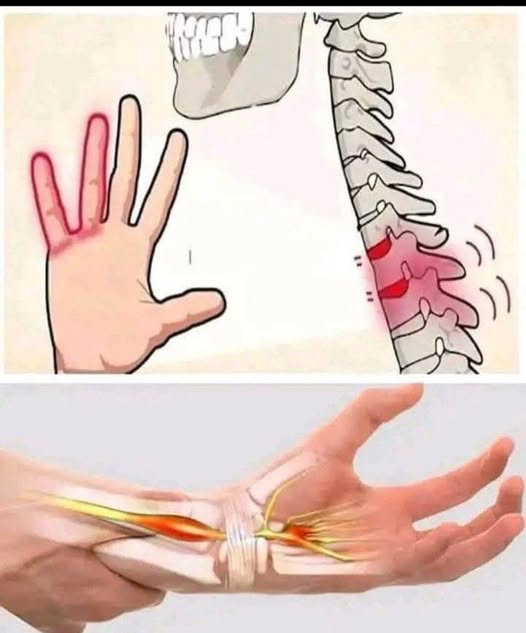
You sit at your kitchen table on an ordinary afternoon, gently rubbing your hands after another night where they woke you with that familiar tingling, numbness, or “pins and needles” sensation that seems to be happening more often. For many grandparents who have spent decades working with their hands — whether typing, gardening, knitting for grandchildren, or simply managing daily tasks — this nighttime numbness can start as a minor annoyance but quietly grow into something that affects sleep, comfort, and even independence in later years. What feels like a harmless quirk of aging is often the body sending an early signal that deserves attention before it leads to bigger problems and unexpected medical costs that can quietly drain the retirement savings and home equity you have worked so hard to protect for your grandchildren.
The most common reason hands go numb at night is related to how you sleep. Positions that compress nerves in the wrist or arm — such as sleeping with your hands tucked under your pillow or curled tightly — can temporarily reduce blood flow and pinch the median or ulnar nerves. This is especially true for side sleepers or those with arthritis who unconsciously favor certain positions. Over time, repeated compression can lead to more persistent symptoms and even conditions like carpal tunnel syndrome, which becomes increasingly common after age 50.
Other frequent causes include cervical spine issues, where pressure on nerves in the neck radiates down to the hands, poor circulation from conditions like diabetes or peripheral artery disease, vitamin B12 deficiency, and even certain medications. Thyroid problems and fluid retention during pregnancy or from certain health conditions can also play a role. For older adults, these factors often combine, making nighttime numbness a frequent complaint that many simply accept as part of getting older instead of investigating further.
Recognizing when to seek medical advice is crucial. Occasional numbness that resolves quickly after changing position is usually harmless. However, if the tingling happens frequently, lasts longer, is accompanied by weakness, pain, swelling, or affects daily tasks like gripping objects, it is time to see a doctor. Early evaluation through physical exams, nerve conduction studies, or blood tests can identify treatable causes and prevent permanent nerve damage that could limit mobility and increase dependence on others.
For grandparents focused on staying active with grandchildren and maintaining independence while protecting retirement savings and home equity, addressing hand numbness early can make a significant difference. Untreated nerve issues can lead to higher medical bills, physical therapy costs, or even the need for surgery and long-term care that quietly erode the financial foundation built over a lifetime. Simple lifestyle adjustments often bring real relief without expensive interventions.
Practical steps many people find helpful include using a wrist brace at night to keep the wrist neutral, adjusting sleep position with supportive pillows, staying hydrated, maintaining healthy blood sugar levels, and incorporating gentle hand and wrist stretches during the day. Ergonomic changes at home, such as using supportive tools for hobbies or daily tasks, can also reduce strain and prevent symptoms from worsening.
Many grandparents report noticeable improvement in sleep quality and hand comfort after making these small changes and consulting a doctor when needed. The key is listening to your body rather than dismissing symptoms as inevitable aging. Early action often means staying more active, independent, and financially secure for longer.
This common nighttime issue reflects a deeper truth about protecting what matters most. Just as paying attention to subtle signals from your hands can prevent bigger health and financial problems, consistent care for your overall well-being safeguards the retirement savings and home equity you have worked so hard to build for your grandchildren.
The quiet truth behind hands going numb at night lingers long after you wake up and shake them out. These recurring symptoms often encourage us to re-examine our daily habits and the protective steps we take to maintain both health and financial stability for the future we want for our grandchildren.
As you reflect on understanding why your hands go numb at night, the causes, symptoms, and when to seek medical advice, along with the retirement savings and home equity you have spent years protecting, ask yourself this: what one small change in sleep position, daily habit, or timely medical check could you start this week that might strengthen your own legacy, protect your retirement savings, and show your grandchildren the true meaning of thoughtful self-care and prevention?
Most Popular!
-
 The Heartbreaking Reality: Why Jelly Roll and Bunnie XO’s Fairytale Marriage Has Finally Imploded
-
Is That Tiny Canker Sore Actually a Death Sentence? The Silent Signs of Oral Cancer You’re Likely Ignoring
-
The Indecency Scandal: Why Bianca Censori’s Latest Cat Mask Ensemble Has the Public Demanding Her Arrest
-
The Secret Message from Beyond: Why Cemetery Officials Are Desperate to Destroy This Man’s Final Tribute
-
The Miracle Weed: Why This Common Backyard Menace Is Worth Its Weight in Gold
-
The Innocent Selfie That Ended a Wedding: How One Tiny Detail Destroyed Everything
-
The Secret Whisper That Left a Nation Stunned: What Trump Actually Said to the Fighter Who Insulted Michelle Obama
-
These Mind-Bending Riddles Are Humiliating Millions Online — Can You Solve Them Without Losing Your Mind?