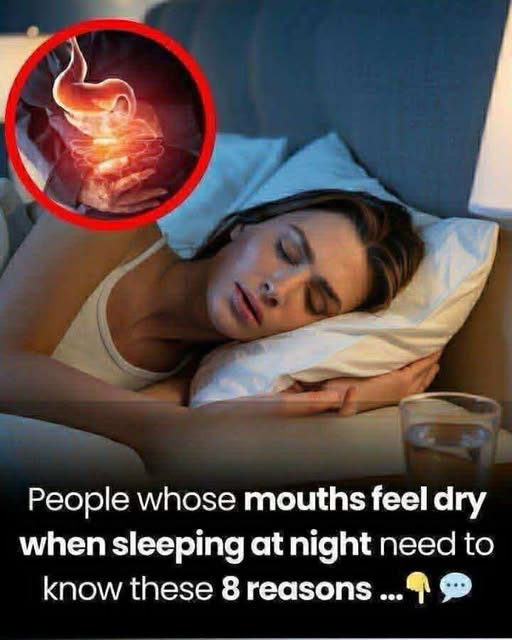
Waking up with a parched mouth, cracked lips, and that sticky, uncomfortable feeling is more than just annoying — it can disrupt your sleep, affect your oral health, and leave you feeling drained before the day even begins. Nighttime dry mouth, also known as nocturnal xerostomia, is surprisingly common, yet many people dismiss it as a minor inconvenience rather than addressing the root causes. The good news is that understanding why it happens often leads to simple, effective solutions that can dramatically improve your sleep quality and overall well-being. From lifestyle habits to underlying health conditions, here are eight key reasons for dry mouth at night and practical ways to prevent it.
One of the most common culprits is simply not drinking enough water throughout the day. When your body is dehydrated, saliva production naturally decreases, especially during sleep when you’re not actively sipping fluids. Many people consume most of their water earlier in the day and then limit intake in the evening to avoid nighttime bathroom trips. This habit, while understandable, can backfire. Aim to hydrate consistently from morning until a couple of hours before bed. Keeping a glass of water on your nightstand can also help if you wake up thirsty, but addressing daytime hydration usually prevents the problem from starting.
Breathing through your mouth instead of your nose while sleeping is another major contributor. Nasal congestion from allergies, colds, or a deviated septum forces you to breathe through your mouth, which dries out the oral tissues rapidly. Over time, this habit can lead to chronic dryness, bad breath, and even dental issues. Simple solutions include using a saline nasal spray before bed, trying a humidifier in the bedroom to keep air moist, or consulting an ENT specialist if congestion is persistent. Many people notice immediate improvement once they start breathing more through the nose at night.
Medications are a frequent but often overlooked cause of nighttime dry mouth. Antihistamines, antidepressants, blood pressure medications, and many others list dry mouth as a common side effect. If you’ve recently started a new prescription and noticed the problem, talk to your doctor about alternatives or timing adjustments. In the meantime, sugar-free lozenges or saliva-stimulating gums before bed can provide temporary relief. Staying on top of oral hygiene becomes even more important when medications are involved, as reduced saliva increases the risk of cavities and gum disease.
Certain health conditions can also trigger dry mouth, particularly at night. Diabetes, Sjögren’s syndrome, and autoimmune disorders often affect saliva production. Acid reflux (GERD) is another common link — stomach acid can irritate the throat and reduce saliva flow during sleep. If dry mouth is accompanied by other symptoms like frequent thirst, fatigue, or joint pain, it’s worth discussing with your healthcare provider. Managing the underlying condition often brings significant relief, and regular monitoring helps catch related complications early.
Alcohol and caffeine consumption, especially later in the day, can dehydrate the body and suppress saliva production. That evening glass of wine or cup of coffee might feel relaxing, but both are diuretics that can worsen nighttime dryness. Smokers and those who use tobacco products face additional risk, as these habits dry out oral tissues and impair saliva function. Cutting back in the hours before bed and staying mindful of overall intake can make a noticeable difference. Many people who switch to herbal teas or decaf options report better sleep and less morning discomfort.
Your sleeping environment plays a bigger role than you might think. Dry air from heating systems, air conditioning, or low-humidity climates pulls moisture from your mouth and throat overnight. A bedroom humidifier is one of the simplest and most effective fixes for this. Aim for 40-60% humidity and clean the device regularly to prevent mold. Using a saline nasal rinse before bed can also help maintain moisture in your airways. Small adjustments to your bedroom setup often yield big improvements in how rested you feel in the morning.
Poor oral hygiene or dental issues can exacerbate dry mouth at night. Bacteria buildup, gum disease, or even ill-fitting dental appliances can contribute to discomfort and reduced saliva flow. Brushing and flossing thoroughly before bed, using a tongue scraper, and staying current with dental check-ups are essential. Some people benefit from prescription-strength fluoride toothpaste or saliva substitutes recommended by their dentist. Taking care of your mouth proactively prevents minor dryness from turning into more serious problems.
Stress and anxiety are often silent contributors to nighttime dry mouth. When your mind is racing, your body stays in a low-level fight-or-flight state that can reduce saliva production. Practicing relaxation techniques like deep breathing, meditation, or a calming bedtime routine can help your nervous system wind down. Many people find that addressing sleep hygiene — consistent bedtimes, limiting screens, and creating a peaceful environment — reduces both stress and associated dry mouth symptoms.
Making a few consistent changes can dramatically reduce or eliminate dry mouth at night for most people. Start with hydration and humidity, then layer in other habits based on your specific situation. If symptoms persist despite lifestyle adjustments, it’s important to consult a doctor or dentist to rule out underlying medical issues. Persistent dry mouth can sometimes signal more serious conditions, so professional guidance ensures you’re addressing the root cause rather than just the symptoms.
The discomfort of waking up with a dry mouth doesn’t have to be your normal. With awareness and some simple strategies, you can enjoy more restful nights and wake up feeling refreshed instead of parched. Your body is constantly communicating with you — listening to signals like dry mouth and responding thoughtfully often leads to better overall health and energy. Small daily habits really do add up to meaningful improvements in how you feel and sleep.
If you’ve been struggling with nighttime dry mouth, try implementing a couple of these suggestions tonight and track how you feel in the morning. Many people are surprised at how quickly their symptoms improve once they address the most common triggers. Better sleep, fresher breath, and improved oral health are all within reach with the right approach. Here’s to waking up feeling hydrated, comfortable, and ready to take on the day.
Most Popular!
-
 Melania Trump Faces New Allegations — Here’s What We Know
-
8 Ways to Get Rid of Phlegm and Mucus in Chest and Throat
-
10 Surprising Ways a Pinch of Baking Soda Can Change Your Life
-
Study Identifies Possible Connection to Autism Development
-
Years After I Became Guardian to My Late Fiancée’s 10 Kids, My Eldest Looked at Me and Said, “Dad… I’m Finally Ready to Tell You What Really Happened to Mom”
-
Why Iran Football Players Wore 168 Pins as They Arrived at the FIFA World Cup
-
Reports Emerge of an Incident Involving Donald Trump’s Granddaughter After NBA Finals Appearance
-
Supreme Court Reviews Major Border Policy Case with Significant Implications