You sit at your kitchen table on an ordinary afternoon, rubbing your aching heel while watching your grandchildren play in the backyard, when a story about simple exercises for plantar fasciitis suddenly catches your eye and pulls at something deep inside. As a grandparent who has spent decades staying active for your family — walking them to school, chasing them through parks, dancing at weddings, and carefully protecting retirement savings and home equity so you can continue being the strong, present grandparent they deserve — you know how quickly heel pain can steal your independence and quietly drain the very resources you worked so hard to build.
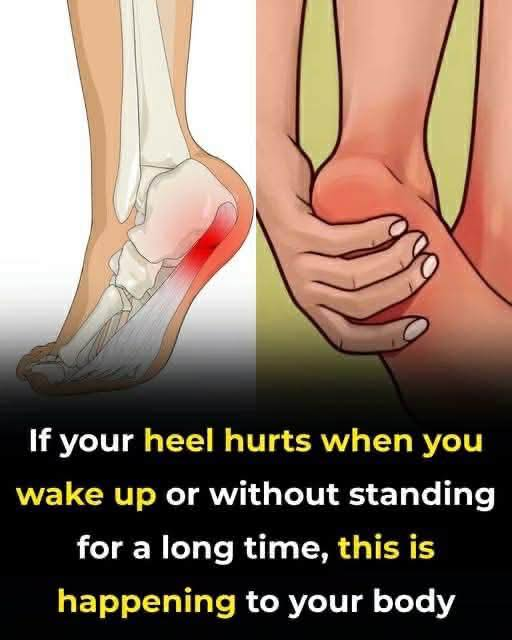
Plantar fasciitis is that sharp, stabbing pain in the bottom of the heel, especially brutal with those first steps out of bed in the morning. It happens when the thick band of tissue connecting your heel to your toes becomes inflamed or strained from years of standing, walking, or even just the natural wear and tear of an active life. For many grandparents, it starts as a minor annoyance and slowly turns into a major limitation — no more long walks with the grandkids, no more playing on the floor, no more feeling like the energetic person you’ve always been.
The good news is that research shows most people can find real relief through consistent, natural stretching and strengthening — often within 4 to 8 weeks — without expensive treatments, injections, or surgery that can quietly eat into retirement savings.
Here are the seven most effective exercises that have helped countless people (including many grandparents) regain their mobility and get back to the life they love:
1. Seated Plantar Fascia Stretch (The “Gold Standard”) Sit comfortably and cross the affected leg over your other knee. Gently pull your toes toward your shin until you feel a stretch along the bottom of your foot. Hold for 20–30 seconds and repeat 3 times. Do this first thing in the morning before getting out of bed — it’s the single most important exercise for reducing that painful first step.
2. Wall-Supported Calf Stretch Stand facing a wall, place your hands at shoulder height, and step one foot back. Keep the back leg straight and heel on the floor as you lean forward until you feel a deep stretch in your calf. Hold for 30 seconds on each side. Tight calves are a major contributor to plantar fasciitis, so this one is essential.
3. Towel Curls (The Arch Builder) Sit in a chair with a thin towel on the floor in front of you. Use only your toes to scrunch the towel toward you, then slowly push it back out. Repeat 10–15 times. This simple move strengthens the small muscles that support your arch and takes pressure off the plantar fascia.
4. Controlled Heel Raises Stand with feet shoulder-width apart (hold onto a chair for balance if needed). Slowly rise onto your tiptoes, hold for two seconds at the top, then lower back down with control. Start with 2 sets of 10–15 repetitions and gradually increase. Strong calves and feet mean less strain on your heel.
5. Marble Pickups Scatter 10–15 marbles (or small objects like buttons) on the floor. Use your toes to pick them up one at a time and drop them into a bowl. This fun, surprisingly challenging exercise improves toe strength and foot control — and your grandkids will love helping you do it!
6. Rolling Massage (Active Release) Sit down and place a frozen water bottle, tennis ball, or lacrosse ball under the arch of your foot. Gently roll it from heel to toe for 1–2 minutes. The cold helps reduce inflammation while the rolling releases tight tissue. Many grandparents keep a frozen bottle by their bedside for morning relief.
7. Short Foot Exercise Sit or stand with your foot flat on the floor. Without curling your toes, try to shorten your foot by drawing the ball of your foot toward your heel, lifting your arch slightly. Hold for 5 seconds, relax, and repeat 10 times. This “quiet” exercise rebuilds the natural support system in your foot that often weakens with age.
The key to success is consistency. Do the stretches 2–3 times a day (especially first thing in the morning) and the strengthening exercises 1–2 times daily. Most people notice meaningful improvement within 4 to 8 weeks when they stay patient and committed.
For many grandparents, these exercises represent far more than pain relief. They represent the ability to keep walking with your grandchildren, to keep dancing at family celebrations, and to keep living independently without the crushing medical bills that can quietly drain retirement savings and home equity. One avoided surgery or round of expensive treatments can mean thousands of dollars protected for your family’s future.
Many grandparents who have adopted these simple routines report not only less heel pain but also better balance, stronger legs, and renewed confidence that they can stay active and present for the people they love most.
The quiet truth behind these seven effective exercises lingers long after the pain fades, reminding us that protecting our mobility is one of the greatest gifts we can give our grandchildren — because a grandparent who can still run, play, and be fully present creates memories and emotional security that no amount of money can replace.
As you finish your coffee and look at the family photos on the wall ask yourself this: what one small exercise from this list could you try today — even for just five minutes — that might quietly protect your retirement savings, restore your independence, and give your grandchildren many more years of an active, joyful grandparent who can still chase them through the backyard?
Most Popular!
-
 The Final Curtain Call: The Heartbreaking Truth Behind Daytime TV Legend Phil Donahue’s Passing
-
The Silent Killer on Your Breakfast Table: Are You Eating Your Way to a Diabetic Crisis?
-
The Breakfast Nightmare: Why That Terrifying Red Spot in Your Egg Is Actually Good News
-
The Painful Price of Fashion: Victoria Beckham’s Walk of Fame Appearance Sparks Horrifying Health Concerns
-
The Bizarre Highway Mystery: Why Thousands of Drivers Are Flipping Their Home State Upside Down
-
The Machala Massacre: Inside the Terrifying Prison Riot That Left 31 Inmates Dead
-
The Poolside Betrayal: My Neighbor Hijacked My Home While I Was Away — But I Returned Early to Destroy Her Reputation
-
The Principal’s Mic Drop: Why the Graduation Ceremony Stopped Dead When the Coal Miner Walked In