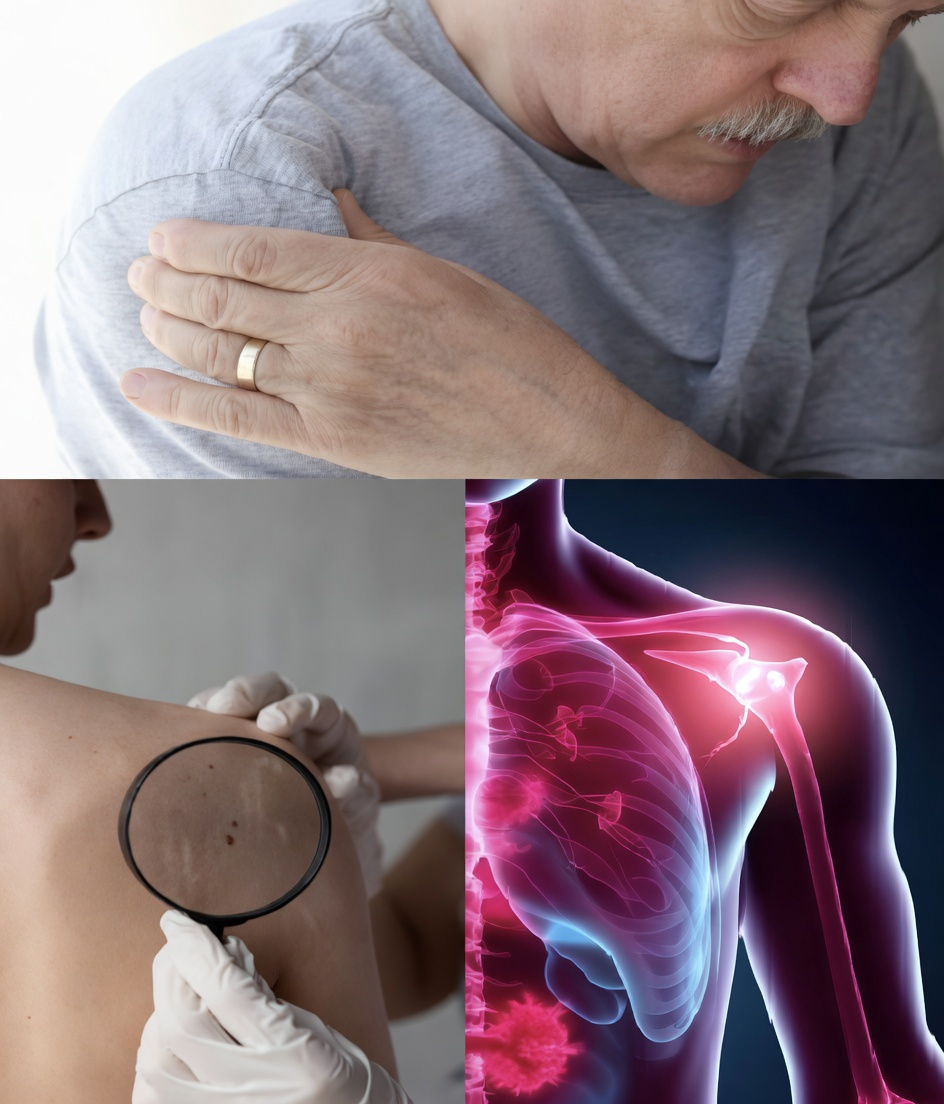
We all have days when our bodies feel off — a lingering cough, unusual tiredness, or a random ache that comes and goes. Most of the time these things pass on their own or turn out to be nothing serious. But sometimes they whisper that something deeper is happening, and catching those whispers early can make all the difference between a treatable condition and a much harder battle. Cancer doesn’t always announce itself loudly, but paying attention to subtle changes gives you the best chance at catching it while it’s still manageable. Here are sixteen important signs that deserve your attention, even if they seem small at first.
Unexplained weight loss tops many lists for good reason. Dropping ten pounds or more without changing your diet or exercise routine can signal several types of cancer, including those affecting the pancreas, stomach, esophagus, or lungs. Cancer cells often demand huge amounts of energy, essentially starving the rest of your body even while you eat normally. If the scale keeps trending downward and you feel fine otherwise, don’t celebrate too quickly — schedule a check-up instead.
Persistent fatigue that rest doesn’t fix is another red flag. We’re all tired sometimes, but bone-deep exhaustion that lingers for weeks, even after good sleep, can point to leukemia, colon cancer, or other cancers that cause anemia or internal inflammation. Your body works overtime trying to fight abnormal cells, leaving you drained no matter how much you rest.
Fever that keeps returning without an obvious infection deserves attention too. Night sweats that soak your sheets or unexplained low-grade fevers can accompany blood cancers like lymphoma. While one-off fevers usually mean a virus, patterns that last more than a week or two warrant a deeper look.
New lumps or swellings anywhere in the body should never be ignored. Breast lumps get the most publicity, but thickened areas under the skin, swollen lymph nodes in the neck, armpits, or groin, or any unusual mass can signal trouble. Not every lump is cancer, but letting a doctor examine it brings peace of mind or early action.
Changes in skin can tell important stories. New moles, existing ones that change shape, size, color, or start itching and bleeding, or sores that refuse to heal might indicate skin cancer. Darker patches, yellowish skin, or excessive bruising without injury can also point to internal issues. Your skin is your largest organ — treat changes seriously.
Ongoing digestive issues often get brushed off as diet-related, but persistent changes in bowel habits, blood in the stool, ongoing diarrhea or constipation, or feeling full after small meals can relate to colorectal, stomach, or pancreatic cancers. If your bathroom routine shifts noticeably for more than a few weeks, talk to your doctor.
Unusual bleeding or discharge raises concern in several areas. Coughing up blood, blood in urine, bloody stools, or postmenopausal vaginal bleeding can all signal cancers of the lungs, bladder, colon, or uterus. Even minor bleeding that recurs deserves investigation rather than dismissal.
A persistent cough or hoarseness that lasts more than three weeks, especially in non-smokers or former smokers, can indicate lung cancer or cancers affecting the throat. If your voice sounds raspy for no clear reason or a cough won’t quit, get it checked.
Difficulty swallowing or ongoing indigestion that feels different from normal heartburn can point to esophageal or stomach cancers. Food feeling stuck, pain while swallowing, or constant discomfort after eating shouldn’t become your new normal.
Unexplained pain that lingers also matters. Headaches that feel different or worse than usual, back pain that doesn’t improve with rest, or bone pain can sometimes signal cancer that has spread or started in those areas. Pain is your body’s alarm system — listen when it won’t turn off.
Shortness of breath or wheezing without obvious cause, like asthma or a recent cold, can relate to lung cancer or fluid buildup from other cancers. If climbing stairs suddenly leaves you winded when it never did before, don’t ignore it.
Swollen lymph nodes that stay enlarged for weeks, especially if painless and firm, can indicate lymphoma or other cancers. While infections cause temporary swelling, persistent nodes need evaluation.
Mouth changes like white patches, sores that don’t heal, or loose teeth without dental issues can signal oral cancer, especially in smokers or heavy drinkers. Regular dental check-ups catch many of these early.
Neurological symptoms such as persistent headaches, vision changes, balance problems, or seizures can relate to brain tumors or cancers that have spread to the brain. Any sudden or worsening neurological issue needs prompt medical attention.
Night sweats and frequent infections that keep coming back often tie into weakened immune systems affected by blood cancers. If you’re suddenly catching every bug going around or waking up drenched, mention it to your doctor.
Finally, any major change in how you feel day to day that lasts — whether it’s loss of appetite, constant nausea, or just a vague sense that something isn’t right — is worth discussing. Our bodies are remarkably good at signaling when things go wrong.
The encouraging news is that many cancers, when found early, respond extremely well to treatment. Regular screenings like mammograms, colonoscopies, Pap smears, and skin checks save lives every single year. Combine those with self-awareness of your own normal baseline, and you give yourself powerful tools.
Lifestyle choices still matter enormously. Maintaining a healthy weight, staying active, eating plenty of fruits and vegetables, limiting alcohol, avoiding tobacco, and protecting your skin from the sun all reduce risk significantly. Knowledge plus prevention creates the strongest defense.
If something on this list feels familiar, don’t panic — but don’t wait either. Book that appointment, share your concerns clearly, and ask for appropriate tests. Most symptoms have innocent explanations, but the few that don’t are far easier to handle when caught early.
Being tuned in to your body isn’t about living in fear. It’s about living wisely and giving yourself the best possible future. Share this information with friends and family because early detection truly is one of the greatest gifts we can give ourselves and the people we love. Your health is worth every minute of attention you give it.
Most Popular!
-
 The Ultimate Wedding Revenge: When the Mother Who Abandoned Her Six Daughters Showed Up with Her Millionaire Boss, the Bride Opened a Box That Destroyed Lives Forever
-
The Beach Shaming Disaster: What My 8-Year-Old Said to the Prying Stranger Left Everyone Speechless
-
My Husband Abandoned Me With Twin Babies for a Luxury Fishing Trip — When He Returned, I Had Already Packed His Bags
-
The Three-Dollar Miracle: How a Dust-Covered Vase Revealed a Heartbreaking Decades-Old Secret
-
The $80,000 Battle to Erase a Birthmark: Why One Mother Risked Everything for Her Daughter’s Future
-
The Silent Thief: Why Millions of Men Are Living with a Time Bomb They Can’t See
-
The Final Curtain Falls: Beloved Sanford and Son Legend Hal Williams Gone at 91
-
Found at a Yard Sale: This “Useless” Vintage Contraption Is Actually a Forgotten Piece of Human History