That old coffee can or mason jar on your kitchen counter filled with loose change might look like nothing more than pocket clutter, but for some lucky people, it has turned into life-changing wealth. Every day, ordinary coins from daily transactions get tossed aside without a second thought. Yet hidden among the pennies, nickels, and dimes could be rare errors, valuable mint marks, or historical pieces worth thousands — sometimes even hundreds of thousands of dollars. Stories of people casually checking their coin jars and discovering small fortunes have circulated for years, reminding us that treasure can be hiding in plain sight. Before you roll your coins to the bank or spend them on vending machines, it might be worth taking a closer look. You could be sitting on a small fortune that started as spare change from grocery runs and gas stations.
One of the most famous examples involves a man in California who found a 1943 bronze penny while sorting through his jar. Most pennies from that year were made of steel due to wartime copper shortages, making the rare bronze versions extremely valuable. His single coin sold at auction for over $200,000. Similar stories pop up regularly — a 1969-S doubled die penny found in a jar sold for tens of thousands, and certain state quarters with errors have fetched impressive prices. These aren’t just urban legends. Coin collectors and dealers confirm that valuable pieces slip into circulation more often than most people realize, especially older coins passed down through generations or accidentally mixed in from estate sales and old piggy banks.
The reasons certain coins become valuable often come down to minting errors or low production numbers. Double dies, off-center strikes, missing letters, or coins struck on the wrong planchet can create rarities that collectors eagerly seek. For example, some Washington quarters from certain years have errors that make them worth hundreds or thousands. Older coins, like those from before the 1960s when silver was still used, can also hold significant melt value or numismatic worth. Even modern coins with special mint marks or limited releases can surprise you. Taking time to examine dates, mint marks (the small letter under the date indicating where it was minted), and unusual features can reveal hidden gems right in your kitchen.
Many people have turned spare change into serious money simply by being curious. A grandmother in Texas sorted through her late husband’s coin collection and discovered a 1913 Liberty Head nickel worth millions. Another family found a rare 1804 silver dollar mixed in with everyday pocket change. These discoveries often happen during spring cleaning, moving houses, or when someone finally decides to roll coins for the bank. The key is knowing what to look for before handing everything over to a coin-counting machine that might swallow a fortune. Valuable coins can look deceptively ordinary at first glance, which is why so many get overlooked for years.
Learning basic coin identification doesn’t require becoming an expert. Start with resources like the Red Book (A Guide Book of United States Coins) or free online databases from reputable numismatic sites. Pay special attention to coins dated before 1965, as many contain silver. Check for clear, doubled images on dates or letters. Look at the edges for clues about metal content. Certain state quarters, presidential dollars, and even some modern pennies have known valuable varieties. Apps and magnifying tools make the process easier and more accurate. Spending just a few minutes sorting through a jar can be surprisingly rewarding, both financially and as a fun family activity.
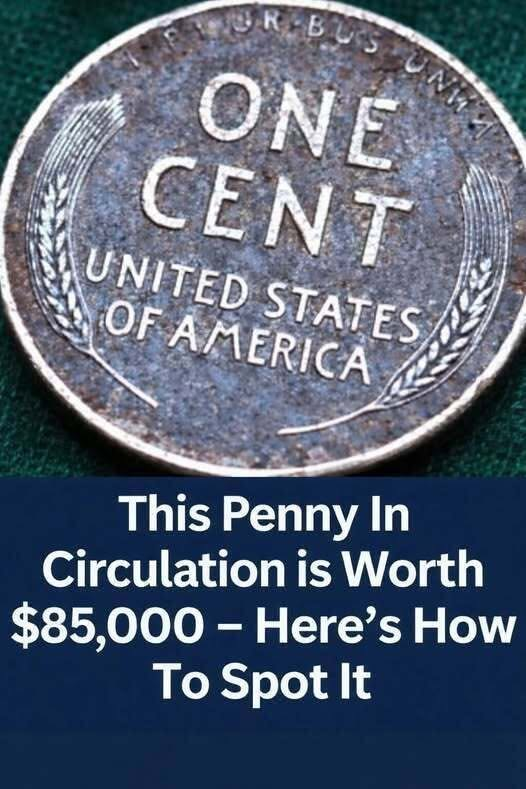
Beyond individual rare coins, entire jars can hold collective value. Pre-1965 silver coins, even in circulated condition, have intrinsic metal worth that rises with silver prices. Wheat pennies (1909-1958) are popular among collectors and often turn up in old jars. Foreign coins accidentally mixed in from travel can also be valuable. One family discovered a 1937 British penny worth thousands because of its rarity. The possibilities are broader than most people imagine, especially if the jar has been collecting dust for decades or came from an older relative.
Of course, not every jar holds treasure, and most coins are worth exactly face value. But the potential is real enough that it’s worth the small effort to check. Professional coin dealers and auction houses see valuable finds from everyday sources regularly. Some people make a hobby of sorting change, turning it into a side income or fun family project. Even if you don’t find anything rare, the process teaches patience, attention to detail, and appreciation for small discoveries. And who knows — that one coin you almost tossed could be the one that pays for a dream vacation or helps with a major expense.
Protecting potential value is important too. Handle coins carefully to avoid damage that could reduce their worth. Store interesting finds in protective holders rather than loose in drawers. If you think you have something special, get it appraised by a reputable dealer or grading service rather than selling hastily. Online marketplaces have increased access to buyers, but they also come with risks of scams. Doing a little research goes a long way toward making smart decisions with any valuable finds.
The stories of ordinary people finding extraordinary coins in their jars continue to inspire treasure hunters everywhere. They remind us that wealth can hide in the most unexpected places and that paying attention to details can lead to surprising rewards. Whether you discover a valuable error coin or simply enjoy the nostalgia of sorting through old change, taking time to examine what you’ve accumulated costs nothing but a few minutes and might just change your financial picture.
Your kitchen coin jar might seem like ordinary clutter, but it could be holding pieces of history worth far more than their face value. The next time you’re tempted to dump it all into a rolling machine, pause and take a closer look. You might just find that the small change you’ve been ignoring is actually big opportunity waiting to be discovered. The fortune in your jar may not make you an overnight millionaire, but it could provide a nice boost, a fun story, or at least a greater appreciation for the history passing through our hands every single day. Start sorting tonight — your future self might thank you with a very pleasant surprise. The coins are already there. The only question is whether you’ll take the time to see what they’re really worth.
Most Popular!
-
 The Ugly Ring My Family Mocked Held a Secret That Changed My Life Forever
-
Poor Girl Marries Billionaire Then Does the One Thing No One Ever Expected
-
CEO Husband Cheated With His Assistant But I Sent The Proof To His Entire Board
-
Shocking Leak Exposes Rogue Diplomat Caught in Tangled Web of Deceit and Foreign Influence
-
Explosive Seven-Word Trap Leaves Trump Red-Faced and Running for the Exit
-
Trump Walks Out in Fury After Reporter Confronts Him With Six Words
-
Stepmom Stages Elaborate Police Sting to Teach Rebellious Teen a Brutal Lesson
-
Vice President JD Vance Recalled for Emergency White House Situation Room Summit