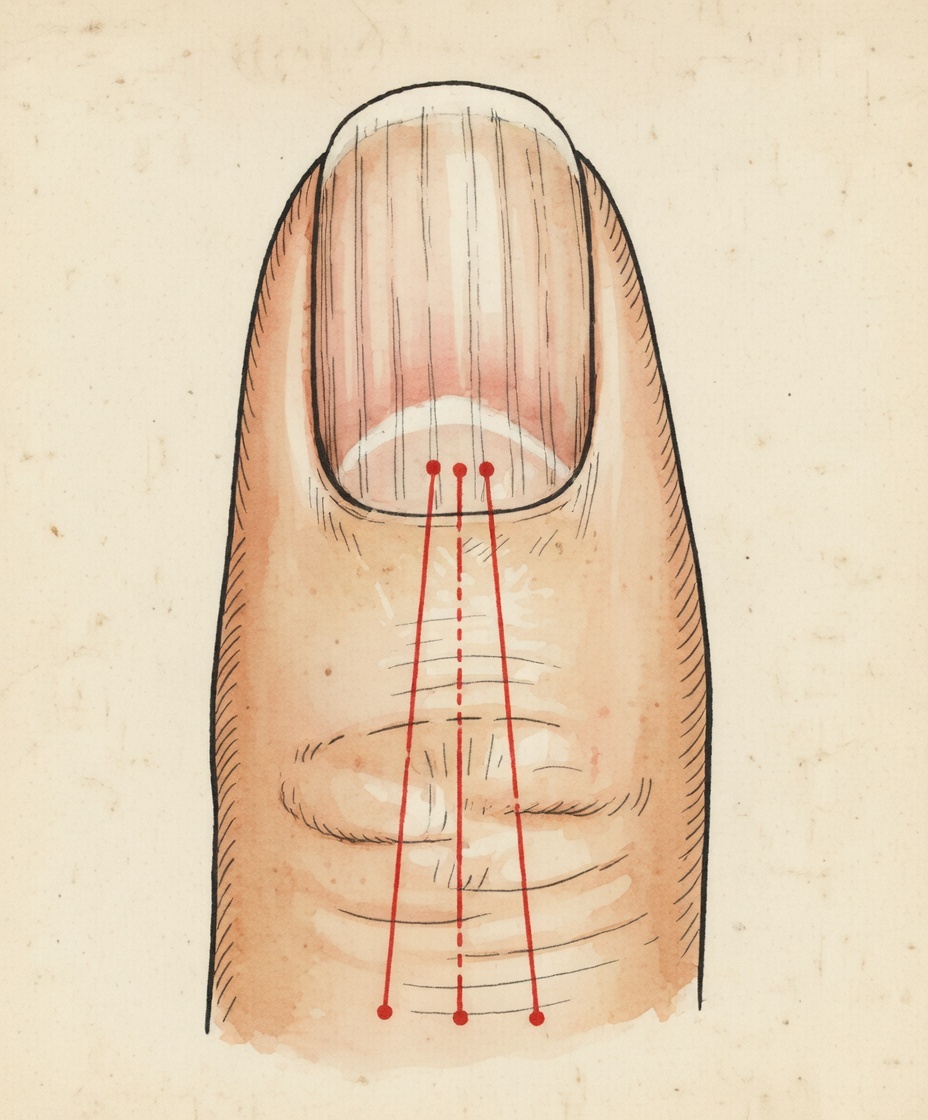
Nails can tell a surprising amount about overall health, especially as people move into their 50s, 60s, and beyond. Vertical ridges—those faint lines running from cuticle to tip—are extremely common with age. For many, they appear gradually and remain mild. In some cases, however, deeper, more pronounced ridges signal that the body may need extra nutritional support. While aging plays a major role, diet is one of the few factors people can actively influence to improve nail appearance and strength.
The nail plate is made primarily of keratin, a tough protein also found in hair and skin. Healthy keratin production depends on a steady supply of specific vitamins, minerals, and other nutrients. When intake falls short—due to reduced appetite, medication side effects, digestive changes, or simply eating the same limited foods year after year—nails can become ridged, brittle, splitting, or slow to grow. Fortunately, focusing on nutrient-dense foods can often reverse or significantly reduce these changes over time.
Biotin, a B vitamin, receives the most attention for nail health. Research shows that consistent biotin intake strengthens keratin infrastructure, reducing brittleness and helping smooth ridges in many people. Good food sources include eggs (especially the yolk), almonds, sunflower seeds, sweet potatoes, salmon, and avocados. Liver and organ meats are exceptionally high in biotin but not everyone enjoys them, so a handful of nuts or seeds daily can provide meaningful amounts without supplements.
Iron plays a critical role because low levels lead to anemia, which frequently shows up first in nails as ridges, spoon-shaped dips, or pale coloring. Women over 50 sometimes remain at risk due to past heavy periods, vegetarian diets, or absorption issues. Red meat, poultry, and fatty fish supply heme iron, which the body absorbs best. For plant-based options, lentils, spinach, pumpkin seeds, and fortified cereals paired with vitamin C-rich foods like bell peppers or citrus help maximize absorption.
Protein is essential since nails are built from it. Inadequate intake—common among older adults who eat smaller portions or avoid meat—can weaken nail structure and worsen ridges. Aim for lean sources such as chicken, turkey, fish, Greek yogurt, cottage cheese, beans, lentils, tofu, and eggs. Including protein at every meal supports not only nails but also muscle maintenance, bone health, and overall energy during retirement years.
Zinc often gets overlooked but is vital for cell division and protein synthesis in nails. Mild deficiency can cause white spots, slow growth, and pronounced ridges. Oysters are the richest source, but most people get plenty from beef, crab, lobster, pumpkin seeds, chickpeas, cashews, and fortified cereals. A small serving of nuts or seeds several times a week usually meets needs without excess.
Omega-3 fatty acids reduce inflammation that can affect nail beds and surrounding skin. Chronic low-grade inflammation sometimes makes ridges appear more prominent. Fatty fish like salmon, mackerel, sardines, and trout provide the most usable form. Plant sources—flaxseeds, chia seeds, walnuts—offer ALA, which the body converts in small amounts. Including fish twice a week or a daily tablespoon of ground flax can make a noticeable difference in nail smoothness and shine.
Vitamin A supports cell turnover and keeps the nail bed healthy. Too little can cause dryness and ridges, while too much (usually from supplements) can cause brittleness. Food sources are safest: sweet potatoes, carrots, spinach, kale, butternut squash, and liver in moderation. A colorful plate with orange and dark green vegetables several times a week delivers plenty without risk.
Magnesium helps regulate calcium, which in excess can contribute to hard, ridged nails. Good sources include almonds, spinach, black beans, dark chocolate, whole grains, avocados, and bananas. Many adults over 50 fall short because absorption decreases with age and certain medications deplete levels. Including magnesium-rich foods daily supports nail health alongside better sleep, muscle relaxation, and heart rhythm stability.
Hydration matters more than most realize. Dehydrated nails become brittle and ridged, just like dehydrated skin. Drinking adequate water—often more than people think they need—plumps nail beds and improves flexibility. Herbal teas, broths, fruits with high water content (cucumber, watermelon, oranges), and soups all count. Carrying a favorite water bottle helps form the habit, especially important when thirst signals weaken with age.
Certain foods should be limited because they interfere with nutrient absorption or contribute to inflammation. Excessive sugar and refined carbohydrates can spike blood sugar and promote inflammation that shows up in skin and nails. Alcohol in large amounts depletes B vitamins and zinc. Highly processed foods often lack the micronutrients nails need most. Focusing on whole foods naturally crowds out the less helpful choices.
Consistency brings results. Nail growth is slow—about one millimeter per week—so visible improvement usually takes two to six months of sustained better eating. Many people notice stronger, less brittle nails first, followed by gradual smoothing of ridges. Patience is key, but the same dietary changes also support hair, skin, energy, and long-term health, making the effort worthwhile.
For those with very deep ridges, splitting, discoloration, or pain, consulting a doctor or dermatologist remains important. Sometimes ridges signal thyroid issues, anemia, psoriasis, or other conditions that benefit from medical attention. Blood tests can quickly identify deficiencies in iron, B12, zinc, or thyroid function. Addressing root causes alongside diet often yields the best outcome.
In retirement years, when health priorities shift toward maintaining independence and quality of life, small daily choices carry big impact. Preparing nutrient-rich meals, keeping convenient healthy snacks on hand, and enjoying food with family or friends turns nutrition into pleasure rather than chore. Sharing meals also strengthens social bonds, which research consistently links to longer, happier lives.
The connection between plate and nails is clear: what goes on the fork today shows up on the fingertips tomorrow. By choosing foods rich in biotin, protein, iron, zinc, omega-3s, and key vitamins, many people see smoother, stronger nails emerge over time. More importantly, they gain the confidence that comes from knowing they are nourishing their body from the inside out—one bite, one day, one beautiful hand at a time.