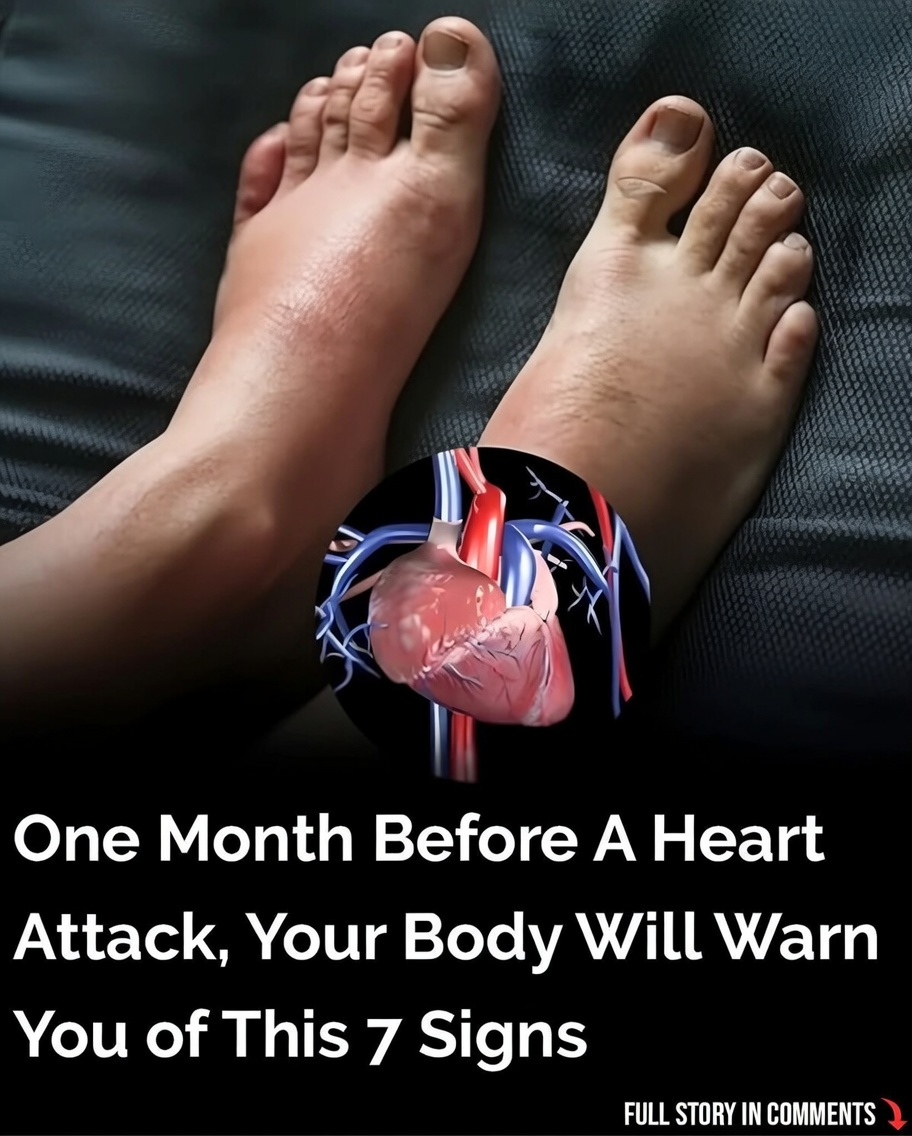
Heart attacks remain one of the leading causes of death worldwide, yet many people still miss the early signals because they don’t always look like the dramatic chest-clutching scenes we see in movies. The truth is that symptoms can be subtle, especially in women, older adults, and people with certain conditions like diabetes. Recognizing these warning signs early can mean the difference between life and death, or between a full recovery and long-term complications. Understanding what your body might be trying to tell you — and acting quickly — empowers you to protect yourself and the people you love. While not every ache or discomfort signals a heart attack, knowing the difference can save precious minutes when every second counts.
One of the most recognized signs is chest discomfort or pain. This often feels like pressure, tightness, squeezing, or fullness in the center of the chest that lasts more than a few minutes or comes and goes. Many describe it as an elephant sitting on their chest or a heavy band tightening around them. However, not all heart attacks involve severe pain. Some people, particularly women, experience milder pressure that they mistake for indigestion or muscle strain. If this feeling occurs during rest or with minimal activity and doesn’t improve with rest, it’s time to seek immediate medical attention rather than waiting to see if it passes.
Shortness of breath is another critical warning that often appears with or without chest pain. You might feel like you can’t catch your breath even when sitting still or doing light tasks. This happens because the heart isn’t pumping effectively, causing fluid to build up in the lungs. Many people dismiss this as being out of shape or anxious, but when it comes on suddenly or worsens with minimal effort, it deserves urgent evaluation. Paying attention to changes in your breathing patterns, especially if they’re new or accompanied by fatigue, can help catch problems before they become emergencies.
Unexplained fatigue that feels different from normal tiredness can signal heart trouble, particularly in women. You might feel overwhelmingly exhausted after simple activities like climbing stairs or carrying groceries, even if you’ve been resting well. This isn’t the kind of tired that improves with a nap. It’s a deep, heavy fatigue that can make everyday tasks feel impossible. The body works harder to compensate for reduced blood flow, draining energy reserves. If this fatigue develops suddenly or feels disproportionate to your activity level, especially alongside other symptoms, don’t brush it off as stress or aging.
Pain or discomfort in other areas of the upper body often catches people off guard. This can include the arms (especially the left), back, neck, jaw, or stomach. Many women report jaw pain or back discomfort as their primary symptom rather than classic chest pain. The pain might feel like a dull ache, burning, or sudden sharpness that comes and goes. Because these areas are far from the heart, people frequently attribute them to arthritis, dental issues, or muscle strain. But when the discomfort spreads or occurs with other heart-related signs, it’s crucial to get checked promptly rather than assuming it’s something minor.
Cold sweats, nausea, or lightheadedness can also indicate a heart attack in progress. Breaking into a cold sweat without physical exertion or feeling suddenly clammy often accompanies reduced blood flow to the brain and body. Nausea or vomiting, especially without stomach upset, and a feeling like you might faint are additional red flags. These symptoms are more common in women and can easily be mistaken for the flu or anxiety. Trust your instincts if something feels off, particularly if multiple symptoms appear together. Calling emergency services immediately gives you the best chance for quick treatment and better outcomes.
Recognizing these signs becomes even more important for people with risk factors like high blood pressure, diabetes, smoking history, or family heart disease. Women, older adults, and those with diabetes may experience atypical symptoms that don’t match the classic Hollywood portrayal. This is why education and awareness matter so much. Taking time to learn your body’s normal patterns helps you notice when something genuinely feels different. Regular check-ups with your doctor, managing chronic conditions, and maintaining heart-healthy habits all contribute to catching problems early before they become emergencies.
Prevention plays a crucial role alongside awareness of warning signs. Eating a balanced diet rich in fruits, vegetables, whole grains, and lean proteins supports heart health. Regular physical activity, even moderate walking, strengthens the cardiovascular system and helps manage weight and stress. Avoiding smoking and limiting alcohol intake reduces risk significantly. Managing conditions like high blood pressure, high cholesterol, and diabetes through medication and lifestyle changes protects your heart over the long term. Small daily choices compound into meaningful protection against heart disease and its complications.
Knowing what to do when symptoms appear can save lives. If you or someone nearby experiences possible heart attack signs, call emergency services immediately rather than driving yourself or waiting to see if it improves. Chewing and swallowing an aspirin (if not allergic and advised by your doctor) can help reduce clot formation while waiting for help. Staying calm and resting in a comfortable position helps manage symptoms until professional care arrives. Every minute counts when it comes to heart attacks, as timely treatment can minimize damage to heart muscle and improve recovery chances dramatically.
For families and loved ones, learning these warning signs together creates a safety net. Discussing symptoms openly removes stigma and encourages quick action when needed. Having emergency contacts programmed and knowing the nearest hospital with cardiac care capabilities provides peace of mind. Supporting heart-healthy habits as a family makes prevention easier and more sustainable. The goal isn’t to live in fear but to stay informed and prepared so that when symptoms appear, everyone knows exactly what to do.
The human heart is incredibly resilient when given proper care and attention. Many people who experience heart attacks go on to live full, active lives after recovery and lifestyle adjustments. Stories of survivors who caught their symptoms early and received prompt treatment highlight the importance of awareness. By paying attention to your body and acting decisively when something feels wrong, you give yourself the best possible chance for a positive outcome. Heart health is a lifelong journey, and small consistent steps today can protect your future self in meaningful ways.
Your body has remarkable ways of signaling when something isn’t right. Learning to recognize the warning signs of a heart attack empowers you to respond quickly and effectively. Whether you’re experiencing symptoms yourself or supporting a loved one, trust those signals and seek help without delay. The difference between a minor scare and a life-altering event often comes down to those critical first minutes. Stay informed, stay proactive, and remember that taking care of your heart means taking care of your entire life. The peace of mind that comes from knowing what to watch for is one of the greatest gifts you can give yourself and those you love.
Most Popular!
-
 A Silly Note That Revealed the Truth of a Christmas Betrayal
-
A Father’s Doubt Shattered His Family and the Regret Still Haunts Him
-
A Father’s Doubt Shattered His Family and the Regret Still Haunts Him
-
A Simple Act of Kindness at the Bakery — Weeks Later a Letter Arrived That Changed Everything
-
What Really Shapes Life After 80 — And Why It’s Not What Most People Think
-
Why You’re Waking Up in the Middle of the Night and How to Fix It for Good
-
Study Identifies Possible Connection to Autism Development — What Every Parent Should Know
-
A Legacy of Health: Soong Mei-ling’s Remarkable Longevity and Inspiring Fight Against Cancer