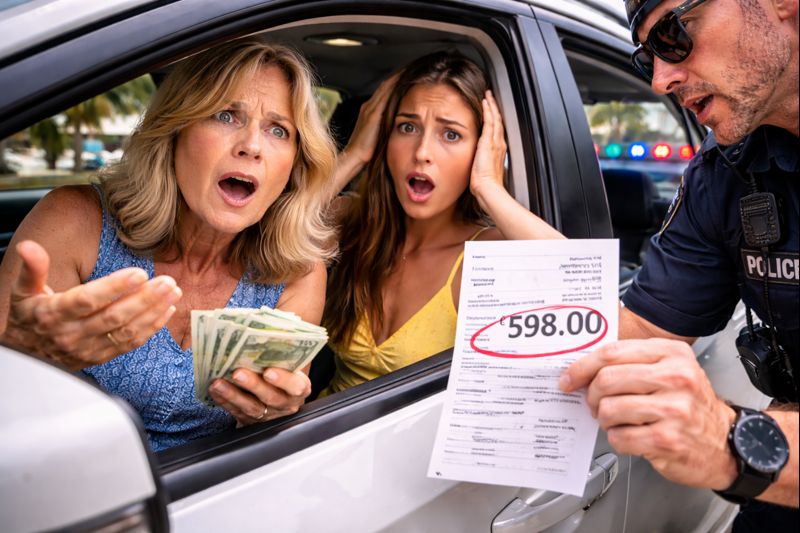
It was the kind of moment travelers dream about. Sunlight dancing on the water. Waves rolling in just feet away. A mother and daughter settling in for a light lunch by the sea. Nothing fancy. Nothing excessive. But when the check arrived, Brenda stared at the numbers, convinced there had been a mistake. 598 euros. Nearly $640. And as confusion turned into fear, she realized this wasn’t just an overpriced meal — it felt like a trap.
A Vacation Stop That Felt Safe — Until It Didn’t
Brenda and her daughter were visiting Greece, enjoying a day near the water when they stopped at a beachfront restaurant. The setting looked casual. The menu didn’t scream luxury. Prices weren’t clearly explained, but nothing suggested disaster.
They ordered what Brenda later described as a light lunch:
- Two crab legs
- Two mojitos
- One bottle of water
No appetizers. No premium wine. No elaborate seafood tower.
So when the server placed the bill on the table, Brenda assumed it belonged to someone else.
“I Thought There Had to Be a Mistake”
“I just kept staring at it,” Brenda said. “I honestly thought they gave us the wrong bill.”
But the staff insisted it was correct.
According to Brenda, the crab legs carried shockingly high prices that were never clearly stated upfront. Even the drinks and water appeared massively inflated. When she questioned the total, she says the tone of the interaction changed.
What began as confusion quickly turned into intimidation.
Feeling Pressured to Pay
Brenda told reporters she felt pressured and intimidated into paying. Staff reportedly stood nearby, repeating that the charges were valid. With language barriers, unfamiliar laws, and the fear of escalation, Brenda felt trapped.
“I didn’t feel like I could just leave,” she said. “I was scared of what might happen if I refused.”
Embarrassed, shaken, and wanting the situation to end, she paid the full 598 euros.
Only later did the anger sink in.
A Familiar Scam in Tourist Hotspots
Travel experts say Brenda’s experience follows a pattern seen in tourist-heavy areas around the world — particularly in popular seaside locations.
Common red flags include:
- Menus without clear prices
- Seafood priced by weight without explanation
- Staff pushing specific items
- Refusal to clarify costs before ordering
- Intimidation when the bill is questioned
While not every expensive restaurant is a scam, lack of transparency is often the warning sign.
“These situations rely on confusion and pressure,” one travel safety expert explained. “Tourists don’t know their rights and just want to avoid trouble.”
Legal Grey Area — Ethical Nightmare
In many countries, restaurants are required to clearly display prices. But enforcement varies, and tourists often don’t know where or how to file complaints — especially after leaving the country.
Consumer advocates argue that even when businesses operate in legal gray zones, intimidation crosses a line.
“If someone feels forced to pay,” one advocate said, “that’s not hospitality — that’s exploitation.”
The Emotional Cost of the Experience
For Brenda and her daughter, the damage went far beyond money.
“It ruined the day,” she said. “You replay it over and over, wondering what you could’ve done differently.”
What should have been a joyful memory became a warning story — one they now share so others don’t fall into the same trap.
How Travelers Can Protect Themselves
Experts recommend several precautions when dining abroad:
- Ask for prices before ordering — especially seafood
- Avoid menus with missing or vague pricing
- Be cautious of “market price” items
- Walk away if staff refuse to explain costs
- Photograph menus and receipts
Most importantly, trust your instincts. If something feels off, it probably is.
Why These Stories Keep Going Viral
Incidents like Brenda’s spread quickly online because they tap into a universal fear: being powerless in a foreign place. Thousands of travelers share similar experiences but stay silent, unsure if they were scammed or just unlucky.
Social media is changing that.
As more people speak out, pressure grows on tourist destinations to address unethical practices — or risk damaging their reputations.
The Question Every Traveler Should Ask
A simple lunch. A beachside view. A bill that changed everything.
Brenda paid not because she agreed — but because she felt she had no choice.
And that leaves one uncomfortable question hanging over every seaside café and vacation meal:
When you sit down to eat on vacation… do you really know what it’s going to cost — or only when it’s too late?