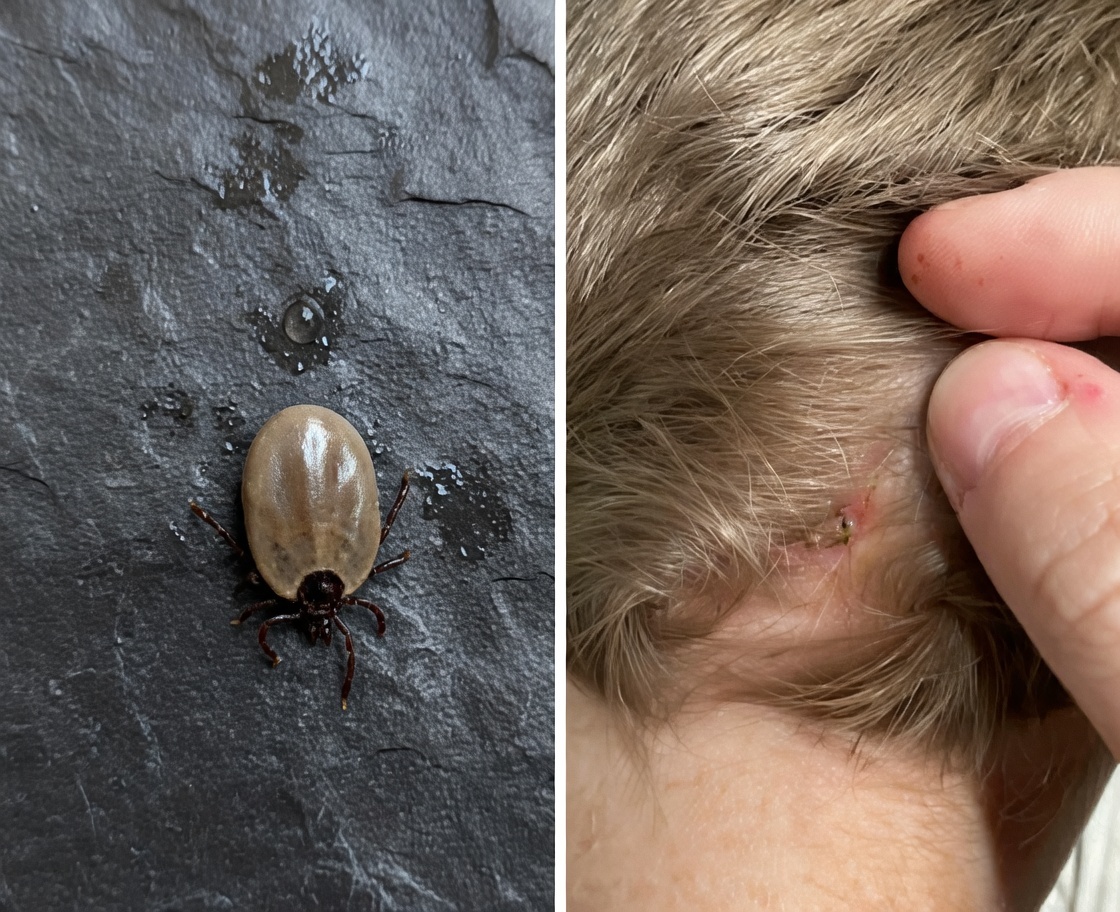
Few parenting moments trigger instant panic like spotting a bug moving in your child’s hair. One second you’re doing a routine brush-out, the next your stomach drops and your mind races: lice? Tick? Spider? Something worse? The good news: in the vast majority of cases, the “invader” is one of only a handful of usual suspects — all manageable when caught early. Here’s the clear, calm breakdown every parent (especially those with school-age kids) needs to know in 2026.
Head Lice (Pediculus humanus capitis) Most common culprit — especially in kids 3–11. Tiny (2–3 mm), wingless, grayish-tan insects that crawl (they don’t jump or fly). You usually see the eggs (nits) first — small, white/yellow, stuck to hair shafts near the scalp (not easily flicked off like dandruff). Symptoms: intense itching (especially behind ears and at the nape), irritability, trouble sleeping. Not dangerous — just very contagious via head-to-head contact or shared items (hats, brushes, pillows). What to do:
Use an over-the-counter lice treatment (permethrin or pyrethrin-based).
Wet-combing with conditioner and a fine-tooth lice comb every 2–3 days for 2–3 weeks to remove nits and live lice.
Wash bedding, hats, brushes in hot water (130°F+) or seal in bags for 2 weeks.
Notify school/daycare — most require kids to be nit-free or actively treated before returning.
Treat the whole household even if only one person is itchy.
Ticks (various species, most commonly blacklegged/deer tick) Small, dark, spider-like — often found attached to the scalp after outdoor play (ticks love warm, hidden spots like the hairline). Can transmit Lyme disease, babesiosis, anaplasmosis — but only if attached 36+ hours (most are found sooner). Look for a bulls-eye rash (not always present) or flu-like symptoms in the days/weeks after removal. What to do:
Remove with fine-tipped tweezers — grasp close to skin and pull straight out (no twisting, no petroleum jelly or heat).
Save the tick in a sealed bag or tape it to paper for identification/testing if needed.
Clean bite area with soap/alcohol.
Watch for rash or fever for 30 days — early Lyme is easily treated with antibiotics.
Prevent future bites: permethrin-treated clothes, DEET on skin, check kids after outdoor time.
Carpet Beetle Larvae (not lice, not ticks) Tiny (1–4 mm), hairy, brown/black “worms” often mistaken for lice. They don’t live on humans — they’re from infested carpet, furniture, or stored wool/clothes. They crawl into hair temporarily while exploring. No biting, no disease — just creepy. What to do:
Vacuum thoroughly (carpets, furniture, baseboards).
Wash bedding/clothes in hot water.
Use boric acid or diatomaceous earth in cracks.
No need for head treatment — they’ll leave on their own once the source is gone.
Booklice / Psocids Very tiny (1 mm), pale, soft-bodied insects often found in damp books, wallpaper paste, or moldy areas. Sometimes crawl into hair if someone’s head is near an infested bookcase. Completely harmless — they don’t bite or transmit disease. What to do:
Reduce humidity (dehumidifier, better ventilation).
Remove moldy books/paper.
Vacuum and clean the area.
No treatment needed for hair — they die quickly off their food source.
Fleas (from pets or infested home) Small (1–3 mm), dark brown, jump fast. If the family pet has fleas, they can bite humans and sometimes end up in hair (especially if the child plays on carpet or with the pet). Bites cause red, itchy welts (usually ankles/legs first). What to do:
Treat pets immediately (vet-approved flea meds).
Vacuum daily (carpets, furniture, pet beds) and dispose of bag.
Wash pet bedding in hot water.
Use insect growth regulator sprays (methoprene/pyriproxyfen) for home.
Treat bites with hydrocortisone and antihistamine.
Quick Action Steps for Any Scalp Bug Panic:
Stay calm — panic spreads faster than most bugs.
Part hair in sections and look with bright light + magnifying glass.
Take a photo (macro mode) before doing anything — helps identify.
Don’t use mayonnaise, oils, or kerosene — they’re ineffective and dangerous.
If unsure, save any bug you find (tape to paper or in a ziplock) and show to a doctor/pharmacist.
Call your pediatrician or school nurse — they see this daily and can guide you quickly.
Most “scalp invaders” are harmless or easily treated when caught early. The real danger is panic — leading to unnecessary chemicals, stress, or shame. You’re not dirty. Your child isn’t dirty. You’re just a parent doing your best — and now you’re armed with facts.
Keep calm. Check carefully. Act quickly when needed. And remember: most of the time, it’s not as scary as it first appears.
You’ve got this. Your child is safe — and so are you.