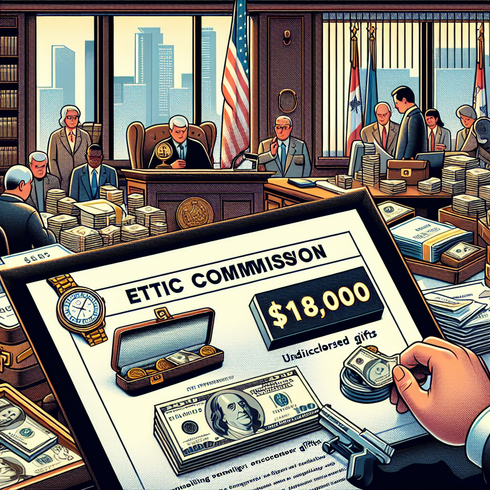
In a stunning development that shines a spotlight on ethical conduct in local governance, Los Angeles City Councilmember John Lee has been hit with a record-setting $138,000 fine by the city’s Ethics Commission. The penalty, the maximum allowed under city law, stems from a case centering on unreported and excessive gifts Lee allegedly accepted during a 2017 trip to Las Vegas. Although the trip occurred prior to his official tenure as a councilmember, the commission deemed the violations relevant due to the undeclared nature and sheer value of the perks received.
The case revolved around whether Lee, while serving as chief of staff for then-Councilmember Mitchell Englander, violated city ethics rules that limit gifts public officials can receive and mandate timely disclosure. This incident is not only a blow to Lee’s personal reputation but also revives past concerns about integrity within City Hall, especially given the broader context of corruption scandals that have previously plagued the L.A. City Council. His failure to report these lavish gifts raises serious questions about transparency and personal accountability in public service.
What’s particularly disconcerting is that this fine highlights a systemic vulnerability where ethics rules, despite being clearly outlined, are too easily disregarded. The fact that a sitting councilmember was found culpable suggests a culture of complacency or entitlement among some public officials. It’s not merely a matter of breaking the rules—it’s about eroding public trust and undermining democratic governance. Voters expect their elected representatives to conduct themselves in a way that is above reproach, especially when it comes to money and influence.
Lee’s defense, which included assertions that he thought certain costs were reimbursed or didn’t warrant disclosure, might have made a stronger case in a less scandal-prone environment. But with widespread scrutiny and heightened awareness of ethical lapses in Los Angeles politics, such explanations come across as tone-deaf at best. Moreover, the commission’s decision to levy the highest possible fine indicates they viewed this not as a minor oversight, but as a severe breach deserving of public censure.
Ultimately, while the fine serves as a form of accountability, it also underscores the need for stronger oversight mechanisms and a cultural shift in how public officials treat their responsibilities. Elected leaders must remember that even perceived impropriety can deeply damage the public’s faith in civic institutions. This case should be a wake-up call for all in public office: transparency and integrity are not optional—they are the bedrock of good governance.