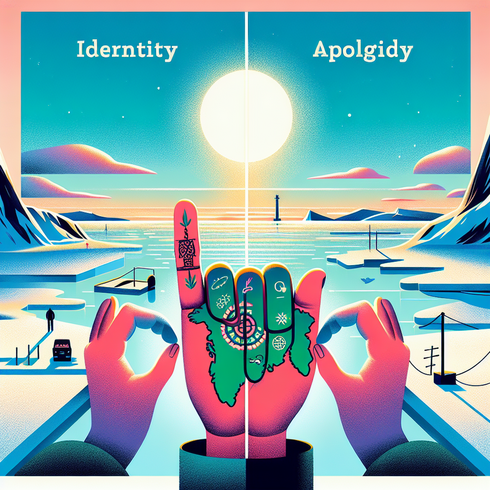
Greenland is undergoing a profound transformation—not just in geography and climate, but in identity and governance. In a bold declaration this year, former Prime Minister Mute B. Egede clarified Greenland’s ambitions: the island seeks its own path, free from the historical pillars of Danish rule or American influence. This is more than political posturing; it speaks to a growing cultural resurgence where citizens seek recognition as distinct Greenlandic people, rooted in Inuit tradition and visioning their own future. As Greenland continues to redefine its status on the world stage, the conversation around self-determination becomes increasingly urgent.
The road to independence, however, is marked by difficult chapters. A generation of Greenlandic families still bears the emotional and cultural scars from Denmark’s so-called parenting tests—welfare programs that, under the guise of child protection, disproportionately separated Inuit children from their families. These traumatic disruptions have contributed to lasting mistrust and social disconnection. For many, the political independence debate cannot be separated from the personal: healing from systemic past injustices is essential to building a self-sufficient and unified future.
Adding to this historical reckoning is Denmark’s recent formal apology regarding the forced birth control measures imposed on Greenlandic women and girls starting in the 1960s. These coercive policies, designed to suppress Indigenous populations, reflect a deeply problematic colonial mindset. Although apologies can’t undo the past, they do signal a recognition of wrong and a long-overdue step toward restitution. However, many Greenlanders feel that more action is needed beyond words—especially in terms of social investment and reparative policies.
While grappling with its past, Greenland is also boldly investing in its future. The development of a new international airport in Nuuk signifies ambition and foresight. As tourism increases, infrastructure has had to rapidly evolve to accommodate a curious global audience eager to experience untouched Arctic beauty. This growing interest in Greenland presents an opportunity for economic development, but it also raises questions about preserving cultural and environmental integrity in the face of globalization. How Greenland balances these conflicting forces may define its national ethos for decades to come.
In a symbol of cultural revival, the once-abandoned village of Qoornoq is seeing new life. Families and heritage groups are returning, whether seasonally or permanently, to restore homes, preserve local traditions, and reassert their connection to ancestral land. Qoornoq’s renaissance offers a microcosm of Greenland’s broader journey: reclaiming what was lost, rebuilding what was fractured, and reimagining a future that is entirely their own. As Greenland moves forward, the world should not only watch—it should listen.