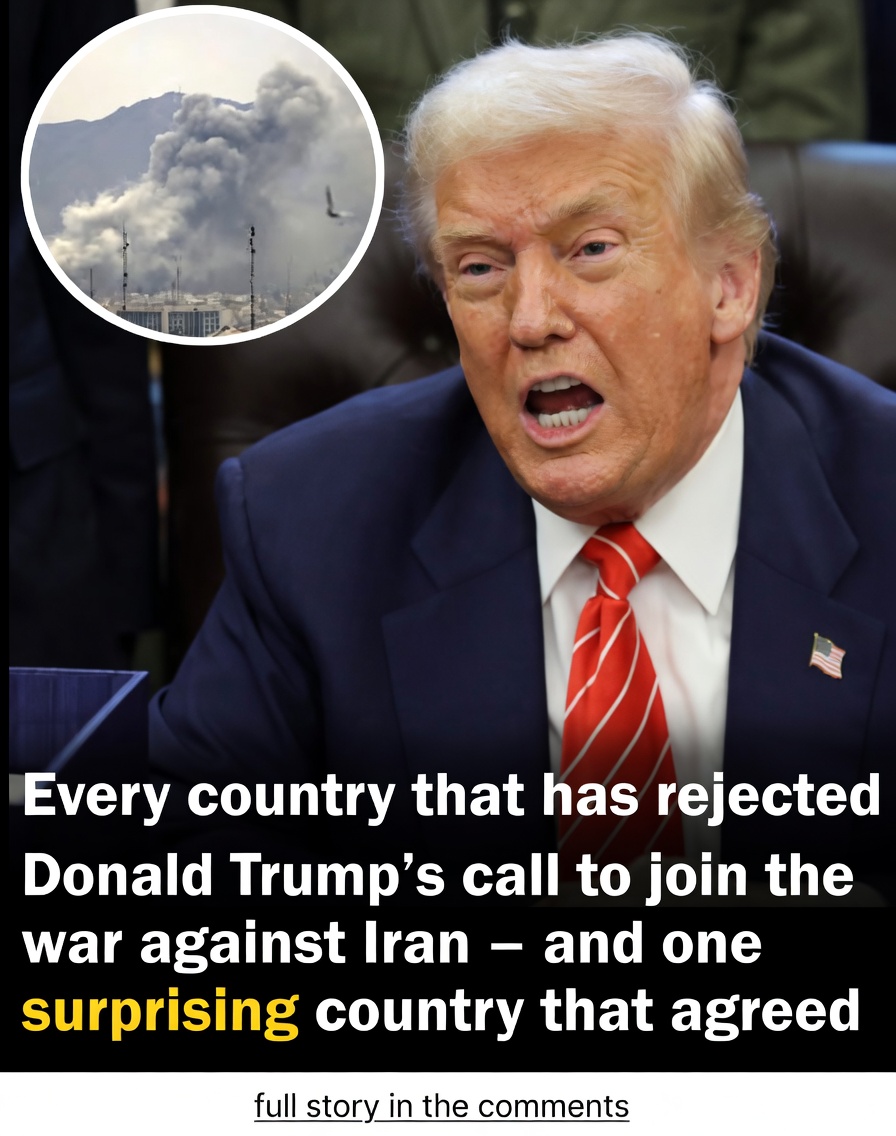
You watched the latest headlines unfold and felt the familiar tension rise as reports described a widening divide between the United States and some of its closest traditional allies over a potential military campaign against Iran, an operation some accounts have referred to as “Operation Epic Fury.” What was once expected to be a unified show of strength now appears fractured, with leaders from countries like the United Kingdom, Germany, and Italy signaling a more cautious approach rather than rushing to commit troops or assets. The shift feels significant, not just because of the immediate stakes in the Middle East, but because it reflects a deeper evolution in how global powers are choosing to respond to escalating tensions, forcing everyone to reconsider long-held assumptions about alliances, diplomacy, and the true cost of another major conflict in a region already strained by years of instability and uncertainty.
The Back-Story of Rising Tensions
The situation stems from ongoing friction between the United States and Iran that has been building for months. Recent diplomatic efforts appeared close to progress, but those talks reportedly broke down, prompting the U.S. to consider stronger measures. While the exact details of the proposed operation remain unverified in official channels, the broader narrative is clear: the White House is signaling a willingness to act decisively, and not everyone is ready to follow.
The Emotional Stakes for Everyday People
For families on both sides of the Atlantic, the news brings a quiet wave of anxiety. Parents wonder about loved ones in the military. Citizens in Europe and the Middle East worry about how quickly things could spiral. The emotional weight of potential escalation is real, especially after years of watching conflicts in Iraq and Afghanistan take their toll on lives, economies, and international trust.
Allies Showing Strategic Caution
A noticeable shift has emerged in how traditional U.S. partners are responding. The United Kingdom, Germany, and Italy have emphasized diplomacy and de-escalation over immediate military commitments. Rather than automatic alignment, these nations appear to be prioritizing their own assessments of risk, public sentiment, and long-term stability in the region.
Southern and Eastern Europe Weighing Their Options
Countries like Greece, which are geographically closer to potential conflict zones, are also exercising caution. Their governments must balance alliance obligations with economic interests, regional security concerns, and domestic political pressures. This more independent approach marks a significant change from past patterns of transatlantic relations.
Lessons from Past Conflicts
The hesitation reflects hard-learned lessons from recent history. Engagements in Iraq and Afghanistan left many European nations wary of entering another prolonged military operation. Public opinion across much of Europe favors restraint, viewing diplomacy and multilateral dialogue as the safer path forward.
The Complication of a Changing World Order
The complication is that the world has changed since the last major coalitions formed. Allies are no longer automatically falling in line. Instead, they are reassessing their priorities, weighing the risks of escalation against the benefits of unity, and choosing to move more deliberately rather than react impulsively.
The Turning Point in Global Decision-Making
This moment represents a turning point where traditional alliances are being tested. The United States continues to push forward, but the visible reluctance from key partners suggests that future actions may require more negotiation and compromise than in previous decades.
In the Immediate Aftermath
In the days since the reports surfaced, diplomatic channels have remained active while military preparations continue on the U.S. side. The world watches closely to see whether the growing hesitation will lead to more talks or whether tensions will continue to build despite allied caution.
The Hopeful Lesson That Still Resonates
This situation reminds us that caution is not weakness. Sometimes the most responsible choice is to pause, reassess, and prioritize diplomacy over immediate action, especially when the human and global costs of escalation could be enormous. True strength lies in knowing when to step forward and when to step back.
As you watch these fast-moving international developments and feel the weight of potential conflict, ask yourself this: when powerful nations push for action, how important is it for allies to exercise independent judgment and choose restraint if they believe it serves the greater good?