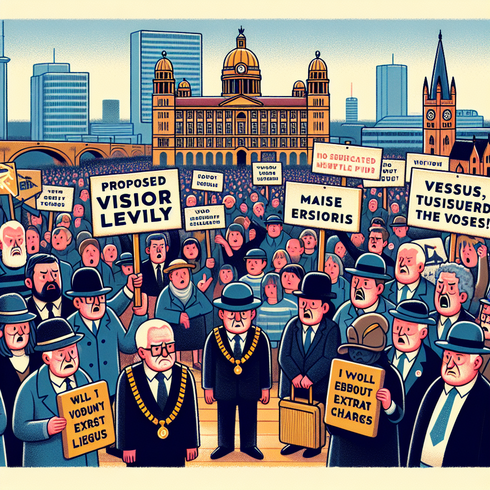
The debate over a potential ‘tourism tax’ in the East Midlands has ignited controversy, with local Conservative members urging the regional mayor to scrap the proposal entirely. The plan, which would impose a small surtax on hotel stays and potentially other visitor-related services, is meant to raise funds for public infrastructure and local services. But as the proposal gathers attention, vocal critics argue that it could unfairly penalize one of the few sectors still recovering from pandemic-related downturns—hospitality and tourism.
Supporters of the tourism tax argue that similar schemes in other parts of Europe and even places in the UK have successfully raised money to maintain city attractions and services that benefit both residents and tourists. They believe that asking visitors to contribute a nominal fee is a fair trade-off for the public resources they use. However, opponents in the East Midlands assert that the region lacks the high tourist traffic of places like London or Edinburgh, making such a tax more damaging than beneficial, especially to small and independent businesses.
Local hoteliers and restauranteurs are particularly concerned that the added cost might dissuade visitors from choosing their cities over more competitively priced alternatives nearby. In a time when footfall is gradually returning, and domestic tourism has become a lifeline for many rural and suburban economies, critics fear this measure could backfire, leading to a downturn in bookings and longer-term economic ripple effects. The tourism tax debate isn’t just about economics; it’s about perception too—how welcoming the East Midlands wants to be to visitors from home and abroad.
Interestingly, the mayor has remained guarded in public responses, emphasizing that the idea is still under consultation and no final decision has been made. Nonetheless, an announcement of such a policy even being on the table has prompted fears among business associations and chambers of commerce. Their unanimous message is clear: timing and context are everything. Implementing a new fee amid economic recovery efforts may not be just unwise—it could prove counterproductive.
While it’s understandable that regional governments are seeking new revenue streams, particularly during times of financial strain, it is crucial to ensure that policies like the proposed tourism tax are both proportionate to local circumstances and built with the input of stakeholders. If not, even well-intentioned strategies can erode hard-won gains. The East Midlands must weigh its economic landscape carefully before placing new burdens on its most vulnerable sectors. Thoughtful collaboration and evidence-based decision-making should guide the way forward.