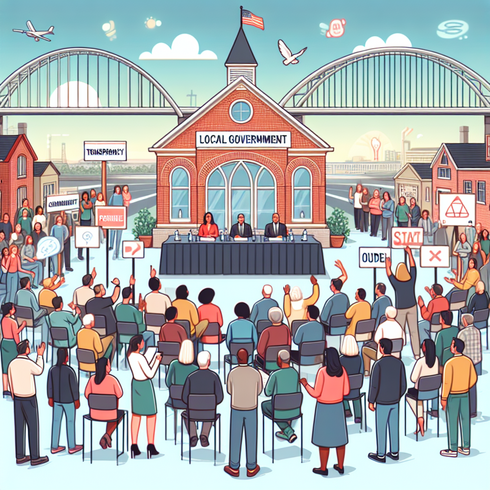
In a refreshing shift toward transparency and community engagement, Mayor Alan Webber of Santa Fe has initiated a series of monthly meetings inviting residents to speak directly with him about issues that matter most to them. This open-door approach, launched at the start of 2024, breaks down the formal barriers between local government and its constituents, offering a platform where voices can be heard and concerns addressed in real time.
Unlike the typical town hall style dominated by structured agendas, these monthly sessions encourage spontaneity and honest dialogue. Citizens are free to come with praises, complaints, suggestions, or stories—anything that’s on their mind. This level of accessibility not only humanizes the mayor’s office but also empowers residents to be active participants in shaping their community’s future. It’s civic engagement in its most distilled form.
Mayor Webber’s hope that these meetings will continue beyond the current framework speaks volumes about his commitment to democratic values. By investing time in listening instead of merely speaking, he’s setting a tone of mutual respect. In an era where political figures often appear distant or inaccessible, this initiative serves as a model for other municipalities looking to rebuild public trust and foster open communication.
From a broader perspective, the impact of these community conversations could ripple far beyond individual grievance resolution. The regular feedback loop between government and the governed may lead to more responsive policy-making, early identification of local issues, and increased voter engagement. When people feel seen and heard, they are more likely to contribute constructively to their neighborhood’s wellbeing.
As this initiative continues to evolve, it will be critical to evaluate its long-term effectiveness and participation levels. But for now, Mayor Webber’s monthly gatherings are a promising sign of inclusive governance in action. If sustained and embraced by other city leaders across the nation, this could mark a return to the kind of grassroots democracy that upholds community voices at its core.