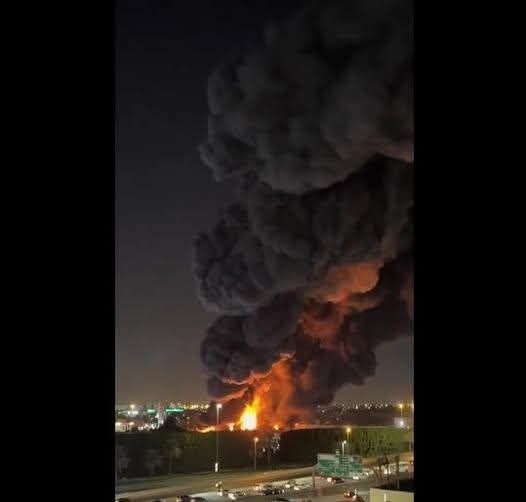
The speed of modern news has completely changed how information spreads during crises, especially in the Israel–Middle East conflict zone. One short video or dramatic caption can be shared tens of millions of times within the first hour—long before any major outlet has had time to confirm even basic facts. By the time corrections or clarifications arrive, the first emotional version has already shaped perceptions, opinions and sometimes even policy decisions. Responsible reporting and consumption now require deliberate friction: a personal pause between seeing something and believing or sharing it.
Most viral “breaking” posts follow a very predictable pattern that exploits emotion over evidence. They usually start with a short, high-impact caption designed to provoke instant reaction: “HOSPITAL BOMBED” / “CEASEFIRE COLLAPSED” / “MASSACRE CONFIRMED”. Then comes an attached clip or photo—often low-resolution, missing context, lacking timestamp or geolocation data. The source is either missing entirely or links to a single unverified Telegram channel, TikTok live, or anonymous account. Within 10–30 minutes the post explodes across platforms, fueled by anger, grief or outrage—exactly the emotions influence operations target.
Verification always lags behind the initial wave. Primary medical sources (hospitals like Al-Shifa, Nasser, Soroka), UN OCHA field updates, Red Cross statements or WHO reports usually take 30 minutes to several hours to release official numbers. Independent outlets with reporters on the ground (Reuters, AFP, AP, BBC Verify, +972 Magazine) need time to geolocate footage, match timestamps, analyze shadows and cross-reference multiple angles. By then the emotional narrative is already locked in for most viewers.
Here are practical steps anyone can use right now to report and consume responsibly during active escalations:
Wait at least 30–60 minutes before sharing or emotionally reacting to any “breaking” post under an hour old. Most first versions are later corrected or disproven. Require at least two independent, reputable sources that agree on the core facts (who, what, where, when). Prioritize outlets with on-the-ground presence over aggregators or viral repost accounts. Look for timestamped, geolocated visuals from multiple angles—tools like SunCalc (shadow/time) and Google Earth Pro help verify location and lighting.
Be extremely cautious with “before/after” destruction photos or videos without metadata. Modern AI can generate photorealistic damage in seconds. Common red flags: inconsistent shadows/lighting, repeating patterns (AI artifact), debris that doesn’t match physics, or no secondary corroboration from other users at the same time/place.
Protect children and teenagers from unfiltered graphic content. Many 10–16-year-olds are being fed raw, decontextualized combat footage algorithmically around the clock. Set strict rules: no TikTok / Telegram during active flare-ups; use curated summaries from trusted outlets instead. Check in emotionally—secondary trauma from screens is real and rising.
When in doubt, default to primary institutional sources over viral social posts: Hospital spokespeople (Al-Shifa, Nasser, Soroka, etc. ), UN OCHA field updates, Red Cross / WHO statements, IDF / Hamas official channels (read both sides with equal skepticism). Cross-check casualty figures against those primary sources rather than relying on any single military or militant press release.
The current information environment rewards speed and emotion over accuracy and context. That is unlikely to change anytime soon. The only reliable defense is your own personal friction: the pause between seeing something and believing/sharing it. In a conflict where perception shapes reality as much as facts do, choosing when and how to amplify information is itself a moral decision.
Stay safe. Stay kind. Stay skeptical—but never cynical. The truth is moving slower than the content. Give it time to catch up.