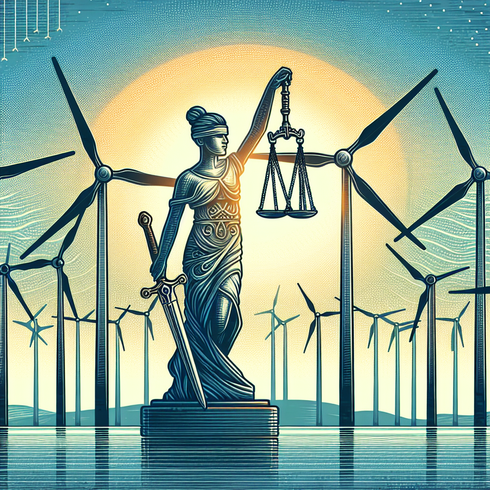
In the turbulent realm of renewable energy, a new legal storyline is unfolding off the coast of Virginia. The developers behind a major offshore wind project have filed suit to overturn a federal halting order from the Trump administration. The directive, citing national security risks, stopped five offshore wind projects including this one. Advocates for the project argue that the move tramples on energy independence efforts and delays much-needed progress in combating climate change.
This lawsuit thrusts the courts into the frontline of a broader struggle between environmental goals and geopolitical caution. While the government asserts that the projects could interfere with naval operations or pose risks related to foreign components, developers suggest that these concerns are speculative and lack sufficient technical grounding. The legal dispute now hinges on whether the national security rationale is specific and documented enough to justify such an abrupt interruption.
Virginia has positioned itself as a leader in coastal renewable energy, and this setback challenges both its economic ambitions and green commitments. Thousands of jobs and local investments hang in the balance. Opponents of the federal halt argue that delaying infrastructure like offshore wind obstructs state-level strategies designed to meet climate mandates and create sustainable employment.
From a broader perspective, the confrontation underscores the fragile intersection of energy innovation and national defense. While security cannot be taken lightly, the potential overuse of national security as a blanket legal shield could stifle critical development. This case may serve as a precedent in balancing genuine risk assessment with the urgent need for cleaner energy systems and resilience against climate disruptions.
Ultimately, the outcome of this legal challenge will reverberate beyond Virginia’s shoreline. It will test how the country reconciles innovation with caution, and whether clean energy projects can weather political and regulatory storms. Regardless of which way the court leans, this case reveals the pressing need for clearer national policy frameworks that support both security and sustainability.