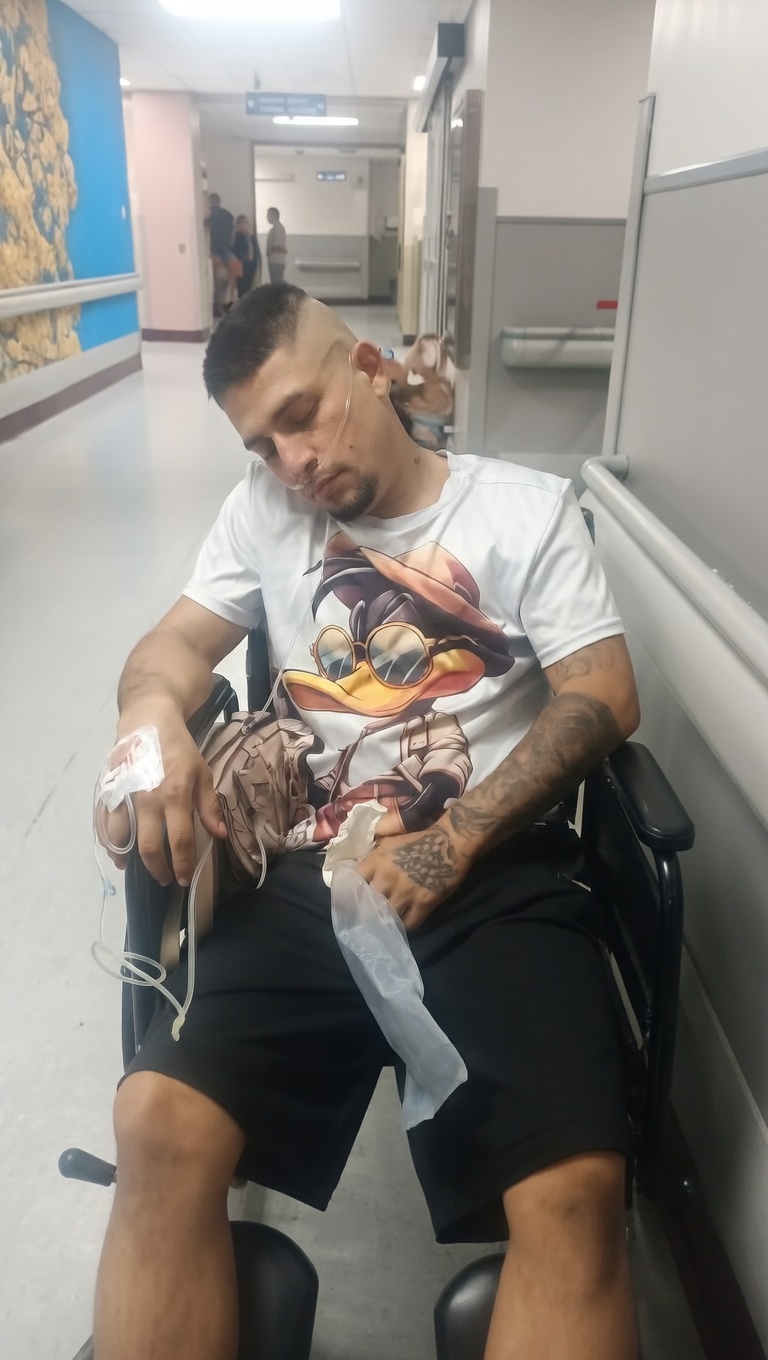
You read the headline and feel a deep sense of sorrow mixed with frustration as the story unfolds about a young man who tragically lost his life in the corridor of a hospital after arriving in critical condition, only to be left waiting because the facility was overwhelmed beyond capacity and simply could not provide the immediate care he desperately needed, turning what should have been a place of healing and hope into the site of an avoidable death that has now left his family devastated, a community shaken, and healthcare officials facing renewed scrutiny over systemic problems that continue to put vulnerable patients at risk every single day. The incident, which happened in a busy emergency department, has drawn widespread attention not just for the heartbreaking loss of life but for what it reveals about the deeper cracks in healthcare systems that are struggling to keep up with growing demand, limited resources, and increasing pressure on medical staff who are often forced to make impossible decisions under extreme conditions.
The young man was brought to the hospital in urgent need of medical attention, with witnesses and staff confirming that his condition required immediate intervention. However, due to severe overcrowding and a shortage of available beds, equipment, and personnel, doctors and nurses were unable to respond as quickly as the situation demanded. Precious moments that might have made the difference slipped away as the patient’s condition continued to deteriorate in the hallway, with no private room or treatment area available in time to save him.
Despite the best efforts of the medical team working under intense pressure, the young man passed away in the corridor, an image that has since become a powerful and painful symbol of the strain many hospitals are facing across the country. Hospital representatives expressed deep sorrow over the incident, acknowledging that their staff did everything possible under extremely difficult circumstances while promising a full internal review to understand exactly what happened and how similar tragedies can be prevented in the future.
The local health authority has launched an official investigation, focusing on emergency response procedures, staffing levels during peak times, availability of medical equipment and space, and communication between departments. Officials have stressed that understanding the full sequence of events is essential not only for accountability but for making meaningful improvements that could save lives in the years ahead.
This tragic event has reignited broader conversations about the ongoing challenges facing healthcare systems, including overcrowding in emergency departments, chronic staff shortages, limited resources, and delays in critical care that can have life-altering or even life-ending consequences. Experts point out that these issues are not isolated but part of a larger pattern affecting hospitals in many regions, where rapid population growth and increasing patient volumes have outpaced infrastructure and funding.
Behind every headline like this is a real person and a grieving family whose lives have been forever changed. In this case, a young man whose future was cut short far too soon, leaving behind loved ones who must now navigate unimaginable loss while also grappling with questions about whether the system that was supposed to protect him failed when it mattered most.
The public reaction has been strong, with many expressing frustration over the limitations of the healthcare system, concern about their own access to emergency care, and sympathy for both the victim’s family and the overworked medical staff who often find themselves in impossible situations. The incident has also fueled calls for increased investment in hospital capacity, more staffing, improved emergency protocols, and better coordination between facilities.
While much of the focus has rightly been on systemic failures, it is also important to recognize the immense pressure faced by healthcare professionals who work long hours in high-stress environments, making critical decisions every day while knowing they cannot always reach every patient in time. Many describe this as one of the most challenging parts of their work, knowing the difference a few extra minutes or resources could have made.
As the investigation continues and officials promise to implement necessary changes, this heartbreaking loss serves as a stark reminder that healthcare challenges are not just statistics on a report — they are deeply personal stories that affect real families and communities. The hope now is that this tragedy will lead to meaningful reform so that no other family has to endure the same pain in the future.
As you read about this young man who lost his life in a hospital corridor and feel the weight of a system that sometimes fails when it is needed most, ask yourself this: when someone you love needs urgent medical care, how important is it that our healthcare system is prepared to respond immediately rather than leaving patients waiting in hallways because of overcrowding and resource shortages?
Most Popular!
-
 The Ultimate Wedding Revenge: When the Mother Who Abandoned Her Six Daughters Showed Up with Her Millionaire Boss, the Bride Opened a Box That Destroyed Lives Forever
-
The Beach Shaming Disaster: What My 8-Year-Old Said to the Prying Stranger Left Everyone Speechless
-
My Husband Abandoned Me With Twin Babies for a Luxury Fishing Trip — When He Returned, I Had Already Packed His Bags
-
The Three-Dollar Miracle: How a Dust-Covered Vase Revealed a Heartbreaking Decades-Old Secret
-
The $80,000 Battle to Erase a Birthmark: Why One Mother Risked Everything for Her Daughter’s Future
-
The Silent Thief: Why Millions of Men Are Living with a Time Bomb They Can’t See
-
The Final Curtain Falls: Beloved Sanford and Son Legend Hal Williams Gone at 91
-
Found at a Yard Sale: This “Useless” Vintage Contraption Is Actually a Forgotten Piece of Human History