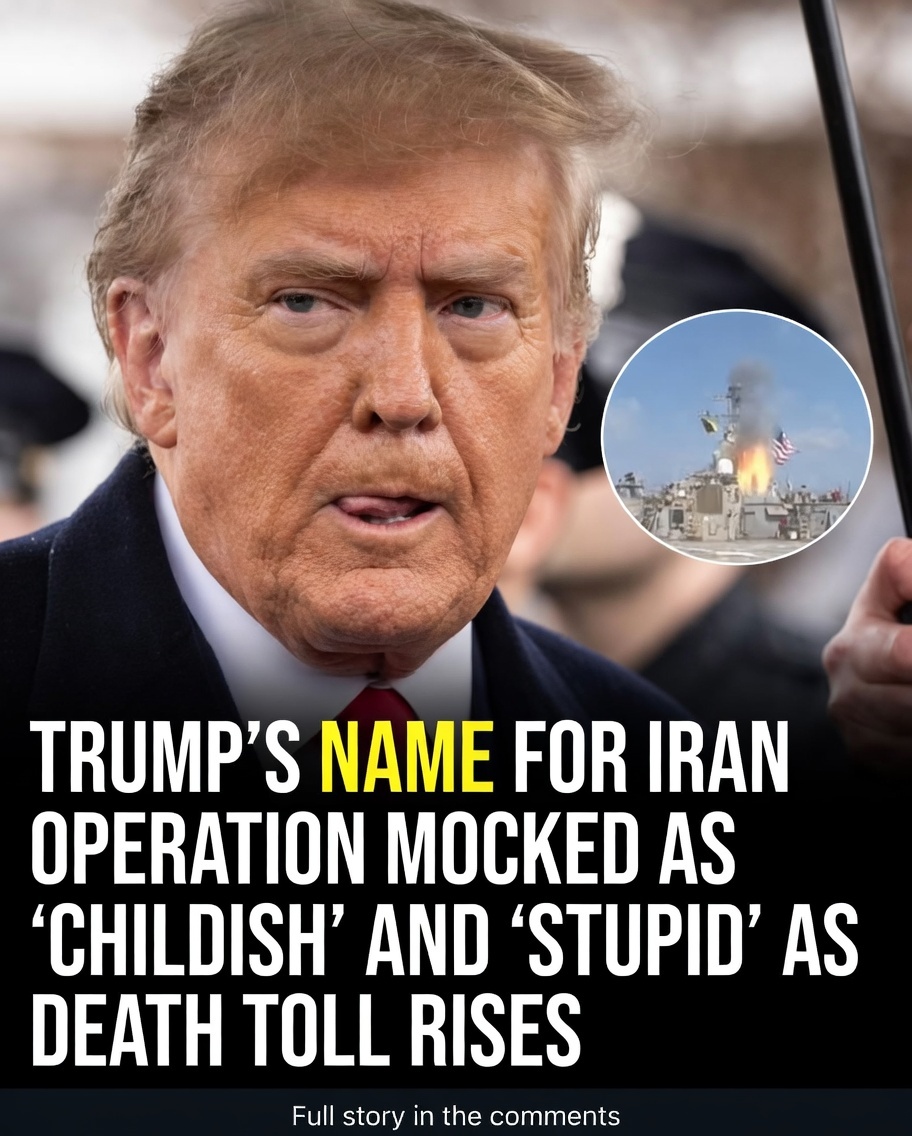
The announcement of “Operation Epic Fury” as the official name for the joint U.S.-Israeli military campaign against Iran sent shockwaves through diplomatic circles and public opinion alike. What was intended as a bold declaration of resolve quickly became fodder for ridicule, with critics labeling it as childish and disconnected from the grim realities on the ground. As the death toll climbs into the thousands, including civilians caught in the crossfire, the choice of such a dramatic, almost cartoonish moniker has drawn sharp rebukes from foreign policy experts, veterans’ groups, and everyday citizens worried about the long-term implications for global stability. Many are questioning how a name that sounds like a video game title can adequately represent the human cost of conflict, especially when families are left grieving and communities are left in ruins.
President Trump’s administration defended the name vigorously, stating it captured the fierce determination to protect American interests and allies in the region. Spokespeople emphasized that “Epic Fury” symbolized the overwhelming response to Iran’s alleged aggressions, including attacks on shipping lanes and proxy conflicts that have destabilized the Middle East for years. Yet the backlash was swift and widespread, amplified by social media where memes and satirical videos mocked the term as immature and out of touch. Commentators drew parallels to past operation names like “Desert Storm” or “Enduring Freedom,” which carried a sense of purpose without the bombast, highlighting how language in wartime can either rally support or alienate the public during times of uncertainty.
As the campaign intensifies, reports from the ground paint a harrowing picture of escalating violence. Civilian casualties have risen sharply, with humanitarian organizations warning of a potential refugee crisis that could strain resources in neighboring countries. The death toll, already surpassing 5,000 according to independent estimates, includes women and children displaced by airstrikes and ground operations. Families in affected areas are facing not just immediate dangers but long-term challenges like access to healthcare and basic necessities, prompting concerns among older Americans about how such instability could impact global markets and their own retirement security. With investments tied to international stability, many are watching nervously as tensions threaten to disrupt oil supplies and economic growth.
Veterans and military families have been particularly vocal in their criticism of the operation’s name. Groups like the American Legion and Veterans of Foreign Wars issued statements calling “Epic Fury” disrespectful to those who serve, arguing that it trivializes the sacrifices made on the battlefield. One veteran, speaking anonymously, shared how such phrasing feels like a mockery of the real fury experienced in combat — the fear, the loss, the lifelong scars. For those over 40 who remember past conflicts like the Gulf War or Afghanistan, this naming choice evokes a sense of déjà vu, reminding them of how government rhetoric can sometimes prioritize optics over empathy for the human element involved.
The cultural commentary has been relentless, with late-night hosts and online influencers piling on the mockery. Skits portraying Trump administration officials brainstorming names like “Super Awesome Strike” or “Mega Rage Attack” have gone viral, amassing millions of views. Critics argue that in an era where information spreads instantly, choosing a name that invites ridicule undermines the seriousness of the mission and erodes public support. This disconnect is especially felt by those in their fifties and sixties, who have lived through multiple administrations and understand how poor communication can prolong conflicts and increase costs to taxpayers, potentially affecting social security benefits and healthcare funding.
Amid the rising death toll, humanitarian concerns are mounting. Aid organizations report overwhelmed hospitals and shortages of medical supplies in Iran, where sanctions have already strained resources. The civilian impact includes disrupted access to education and employment, leading to fears of long-term instability that could affect global migration patterns. For American families worried about their own safety and financial protection, this escalation raises questions about defense spending and how it might influence insurance premiums or retirement planning in an uncertain world.
Trump’s defenders point to the name as a deliberate choice to convey strength and deter adversaries. In press briefings, officials have emphasized that “Epic Fury” reflects the administration’s commitment to swift, decisive action against threats to U.S. interests. They argue that bold language is necessary in the face of Iran’s provocations, including missile strikes on allied positions. However, even within conservative circles, there’s growing unease about the optics, with some veterans expressing concern that such phrasing could demoralize troops on the ground who bear the real burden of the conflict.
The international reaction has been equally critical. Allies in Europe and Asia have privately expressed dismay, fearing the name contributes to perceptions of American impulsiveness. Media outlets worldwide have run headlines mocking “Epic Fury” as immature, further complicating diplomatic efforts to build coalitions. For older generations who value alliances built during the Cold War era, this linguistic choice feels like a step backward, potentially weakening global partnerships that ensure economic stability and personal security for retirees dependent on international trade.
As the death toll continues to rise, calls for de-escalation are growing louder. Humanitarian groups urge a ceasefire to allow aid delivery, while analysts warn of broader regional fallout that could involve other powers. Families of service members deployed in the operation share stories of anxiety and fear, highlighting the human cost behind the headlines. Many over 40, with children or grandchildren in the military, feel a personal stake in the conflict’s resolution, concerned about long-term impacts on veterans’ healthcare and benefits.
The mockery of “Operation Epic Fury” has also sparked discussions about leadership and communication in times of crisis. Critics argue that effective wartime names should inspire confidence rather than invite satire. Historical examples like “Operation Overlord” during WWII are cited as models of sobriety and purpose. For those planning their financial futures, this controversy underscores the need for stable leadership to protect investments and retirement accounts from geopolitical volatility.
Amid the criticism, some supporters maintain that the name effectively captures the administration’s aggressive stance against aggression. They point to public polls showing mixed reactions, with some Americans appreciating the bold rhetoric. However, as casualties mount, the debate intensifies, forcing a reevaluation of how language shapes public perception of military actions and their consequences on everyday lives.
The rising death toll serves as a stark reminder of the human stakes involved. Bereaved families in Iran and among coalition forces share heartbreaking stories of loss, emphasizing that no operation name can soften the blow of grief. For older Americans focused on legacy and family protection, this conflict raises questions about estate planning and ensuring loved ones are secure in an unstable world.
Ultimately, “Operation Epic Fury” may go down as one of the most controversial naming choices in recent military history. As the campaign presses on, the focus shifts from ridicule to resolution, with hopes for peace amid the chaos. For retirees and those nearing it, monitoring such events is crucial for safeguarding savings and understanding global impacts on personal finances.
In the end, while the name draws mockery, the true tragedy lies in the lives lost and the families forever changed. As the world grapples with the consequences, one thing remains clear: words matter, but actions and their human cost matter more, especially when planning for a secure future in uncertain times.
Most Popular!
-
 The Ultimate Wedding Revenge: When the Mother Who Abandoned Her Six Daughters Showed Up with Her Millionaire Boss, the Bride Opened a Box That Destroyed Lives Forever
-
The Beach Shaming Disaster: What My 8-Year-Old Said to the Prying Stranger Left Everyone Speechless
-
My Husband Abandoned Me With Twin Babies for a Luxury Fishing Trip — When He Returned, I Had Already Packed His Bags
-
The Three-Dollar Miracle: How a Dust-Covered Vase Revealed a Heartbreaking Decades-Old Secret
-
The $80,000 Battle to Erase a Birthmark: Why One Mother Risked Everything for Her Daughter’s Future
-
The Silent Thief: Why Millions of Men Are Living with a Time Bomb They Can’t See
-
The Final Curtain Falls: Beloved Sanford and Son Legend Hal Williams Gone at 91
-
Found at a Yard Sale: This “Useless” Vintage Contraption Is Actually a Forgotten Piece of Human History