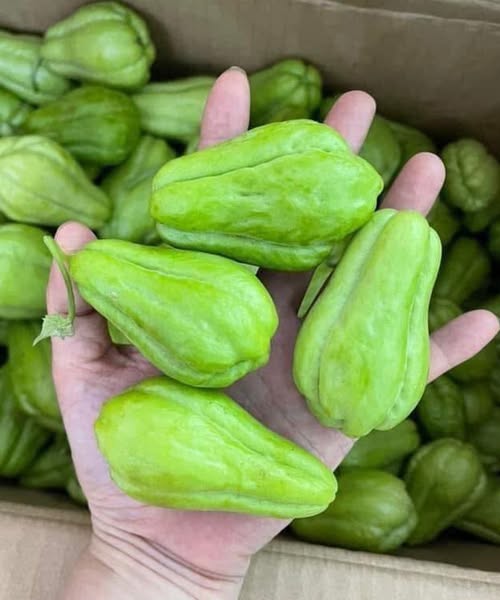
Blood sugar control becomes one of the most important health priorities as we move into our forties, fifties, and beyond. What used to be effortless — eating whatever felt good and bouncing back quickly — starts to feel different. Afternoon slumps get longer, fasting numbers creep up on lab reports, and the risk of prediabetes or Type 2 diabetes becomes something doctors mention more often at check-ups. While medication, exercise, and weight management all play roles, nutrition stands out as the daily lever we can pull most consistently. Among the many vegetables that support steady glucose levels, chayote — also known as mirliton, vegetable pear, or christophine — is gaining serious attention from endocrinologists and nutritionists for reasons that go far beyond its low calorie count.
Chayote is technically a squash, but it behaves more like a crisp, mild cucumber in texture and taste. About 95 percent water, it delivers hydration naturally while adding very little carbohydrate load to a meal. A full cup of cooked chayote contains roughly 4–6 grams of total carbs, with 2–3 grams of fiber — meaning net carbs stay extremely low. This combination makes it one of the most blood-sugar-friendly vegetables available, especially helpful when replacing higher-carb sides like potatoes, rice, or bread. For people monitoring post-meal spikes or trying to avoid insulin surges that lead to fatigue and cravings, swapping in chayote can create noticeable differences in energy stability throughout the day.
The fiber in chayote deserves special mention. It’s a mix of soluble and insoluble types that slow digestion and the absorption of any carbohydrates eaten alongside it. Soluble fiber forms a gel-like substance in the gut that traps sugars and releases them gradually into the bloodstream. This blunting effect on glucose response is well-documented in studies of similar high-fiber, low-glycemic vegetables. Over time, consistent inclusion can help improve insulin sensitivity — the body’s ability to use insulin efficiently — which often declines gradually after 40 due to hormonal shifts, reduced muscle mass, and lifestyle factors. Better insulin sensitivity means less strain on the pancreas and lower average blood sugar levels, reducing long-term risks to eyes, kidneys, nerves, and heart.
Chayote is also rich in potassium — about 125 milligrams per half-cup cooked — which supports healthy blood pressure, another key concern as cardiovascular risks rise with age. Potassium helps balance sodium intake, easing tension in blood vessel walls and supporting overall circulation. Many people in midlife take medications for hypertension or are trying to avoid them; adding potassium-rich foods like chayote, alongside bananas, spinach, and avocados, contributes to that goal without extra pills. The vegetable’s folate content aids red blood cell formation and may help lower homocysteine levels, a marker linked to heart disease when elevated.
One of the quieter benefits is chayote’s role in gut health. The fiber feeds beneficial bacteria in the microbiome, which in turn produce short-chain fatty acids that improve insulin signaling and reduce inflammation. Chronic low-grade inflammation is a driver of insulin resistance, so supporting gut balance through whole-food fiber sources can create a positive feedback loop for metabolic health. Unlike some high-fiber vegetables that cause bloating or gas for sensitive stomachs, chayote is remarkably gentle — mild flavor, low FODMAP in moderate portions, and easy to digest when cooked.
Preparation makes a big difference in how effectively chayote supports blood sugar goals. Raw in salads, it adds crunch and volume with almost no glycemic impact. Lightly steamed or sautéed, it pairs beautifully with proteins and healthy fats — think grilled chicken, olive oil, garlic, and herbs — creating balanced meals that keep glucose steady for hours. Roasting brings out a subtle sweetness without added sugars, making it appealing even to picky eaters or grandkids who might otherwise avoid vegetables. Many people find it absorbs flavors well, so seasoning with turmeric, cumin, or chili can turn it into a satisfying side that feels indulgent without spiking blood sugar.
For those concerned about weight around the middle — a common complaint after 40 as metabolism slows and hormones shift — chayote’s low calorie density is a practical advantage. A large chayote (about 200 grams) has only around 40 calories, yet it fills the plate and satisfies hunger through high water and fiber content. This helps with portion control and reduces overall calorie intake without feeling deprived, supporting gradual weight management that further improves insulin sensitivity and blood sugar control.
Safety is rarely an issue with chayote. It’s non-toxic, widely available in grocery stores (often in the squash or international produce section), and affordable year-round. People with kidney concerns should monitor potassium intake overall, but for most, the amount in reasonable servings poses no problem. Those on blood-thinning medications might note its modest vitamin K content, though it’s far lower than leafy greens like kale or spinach.
Financially, chayote is one of the smartest investments for metabolic health. A single fruit costs under two dollars and stretches across multiple meals for a family. Compared to specialty low-carb products, supplements, or frequent doctor co-pays for unmanaged blood sugar issues, incorporating chayote is a low-cost, high-return habit. Many retirees and fixed-income households appreciate how it helps stretch grocery budgets while supporting long-term wellness goals like avoiding diabetes complications that could lead to higher medical expenses down the road.
The emotional side shouldn’t be overlooked. Stable blood sugar means steadier moods, better sleep, and more consistent energy — all of which matter deeply when raising grandchildren, staying active in retirement, or simply enjoying daily life without the fog of glucose rollercoasters. Chayote won’t solve every metabolic challenge, but it offers a gentle, sustainable tool that fits easily into real routines. Doctors increasingly recommend it not as a cure, but as a practical ally in the daily effort to keep numbers in range.
As we age, small consistent choices compound into major protection for heart health, energy levels, and independence. Adding chayote to salads, soups, stir-fries, or even stuffed and baked like a potato is one of those choices — simple, delicious, and backed by growing evidence. Next time you’re at the store, pick up a couple. Slice one into your next meal. Feel the difference in how steady you stay afterward. In a world full of complicated health advice, sometimes the most powerful tools are the quietest ones sitting right there in the produce aisle.
Most Popular!
-
 The Ultimate Wedding Revenge: When the Mother Who Abandoned Her Six Daughters Showed Up with Her Millionaire Boss, the Bride Opened a Box That Destroyed Lives Forever
-
The Beach Shaming Disaster: What My 8-Year-Old Said to the Prying Stranger Left Everyone Speechless
-
My Husband Abandoned Me With Twin Babies for a Luxury Fishing Trip — When He Returned, I Had Already Packed His Bags
-
The Three-Dollar Miracle: How a Dust-Covered Vase Revealed a Heartbreaking Decades-Old Secret
-
The $80,000 Battle to Erase a Birthmark: Why One Mother Risked Everything for Her Daughter’s Future
-
The Silent Thief: Why Millions of Men Are Living with a Time Bomb They Can’t See
-
The Final Curtain Falls: Beloved Sanford and Son Legend Hal Williams Gone at 91
-
Found at a Yard Sale: This “Useless” Vintage Contraption Is Actually a Forgotten Piece of Human History