Global tensions have a way of creeping into everyday worries, especially for those of us who have lived through decades of ups and downs. With families to protect, retirement savings to safeguard, and the future of our grandchildren on the line, hearing warnings about potential worldwide conflict feels more personal than ever. Dmitry Medvedev, the former Russian president and current deputy chair of Russia’s Security Council, recently sounded the alarm in a stark interview with Russian media. He claimed that World War III “will undoubtedly begin” if President Donald Trump persists with what he called an “insane course of criminally changing political regimes.” These words, spoken on March 3, carry weight given Medvedev’s long history in Russian leadership, serving as president from 2008 to 2012 and prime minister from 2012 to 2020.
Medvedev pointed specifically to Trump’s large-scale offensive against Iran as a grave mistake. He described Iran as an “ancient civilization” that knows “how to wait,” implying that any aggressive actions could lead to prolonged and unpredictable retaliation. According to Medvedev, “any event could be the trigger,” suggesting that the world is on a knife’s edge where a single incident might escalate into full-scale global conflict. This rhetoric comes amid rising geopolitical strains, with experts noting that such statements are designed to heighten awareness and perhaps influence international diplomacy. For families watching from afar, it raises immediate questions about personal safety and long-term stability.
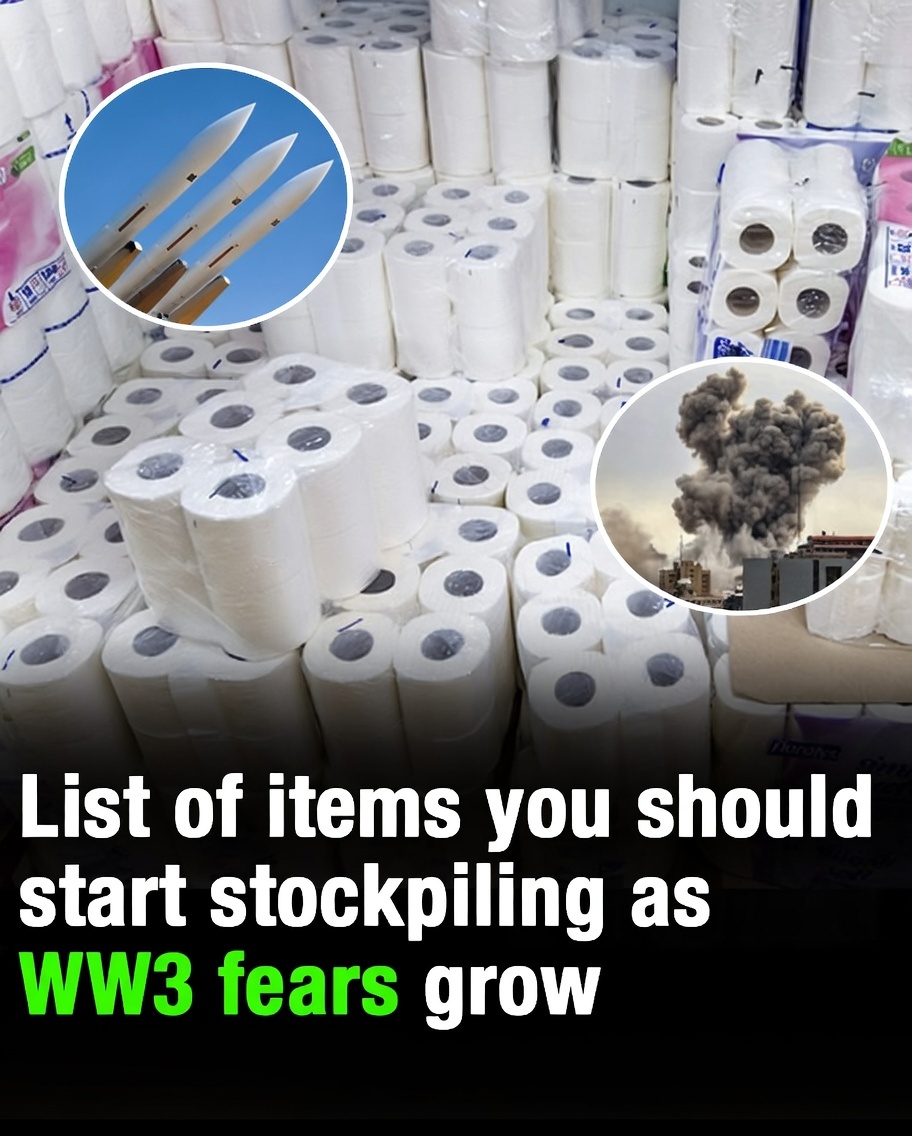
As uncertainty spreads, many are turning to practical steps to prepare for whatever may come. Experts in emergency preparedness emphasize that now is the time to stockpile essential supplies, not out of panic but as a prudent measure. Items like non-perishable food, water, batteries, first-aid kits, and medications can provide peace of mind during disruptions. For those approaching or in retirement, these preparations tie directly into financial protection—building a small emergency fund dedicated to such supplies ensures you are not dipping into savings meant for healthcare or daily living when shelves empty or prices spike.
The broader implications of Medvedev’s warnings touch on economic security as well. Escalating conflicts can disrupt global markets, leading to inflation, supply chain issues, and volatility in retirement portfolios. Many over 40 remember how past international crises affected gas prices, food costs, and stock values. Diversifying investments—balancing stocks with bonds, real estate, or even gold—can help buffer against such shocks. Consulting a financial advisor to review your retirement plan in light of current events is a smart move, ensuring your nest egg is positioned to weather potential storms.
Family dynamics also shift in times of heightened global anxiety. Parents and grandparents often feel an added responsibility to protect loved ones, discussing emergency plans over dinner or creating go-bags together. This preparation fosters closeness and resilience, turning fear into actionable steps. For blended families or those with adult children, open conversations about shared resources—like who handles what in a crisis—can prevent future stress and strengthen bonds built over years.
Healthcare considerations become paramount amid fears of widespread disruption. Stockpiling prescription medications for a month or two, if possible, guards against supply interruptions. Regular check-ups and maintaining good health through diet and exercise reduce vulnerability. Many in their 50s and beyond already manage chronic conditions, so aligning with a doctor to create a personal preparedness plan—including backup options for treatments—adds a layer of security that feels empowering rather than alarming.
Legal protections should not be overlooked either. Reviewing wills, powers of attorney, and beneficiary designations ensures your wishes are clear if the unexpected happens. In uncertain times, these documents provide financial stability for survivors, preventing disputes that could drain resources. Many families use this as an opportunity to discuss inheritance openly, aligning on how assets like homes or savings might support everyone during tough periods.
Emotional well-being plays a key role too. Warnings like Medvedev’s can stir up anxiety, especially for those with memories of past wars or economic downturns. Practices like mindfulness, community involvement, or even joining support groups for preparedness help manage stress. Staying informed through reliable sources—without overconsuming news—keeps perspective balanced and actions focused.
The surge in interest around stockpiling reflects a broader cultural shift toward self-reliance. Essentials like canned goods, rice, beans, and bottled water are flying off shelves in some areas, prompting experts to advise measured buying to avoid shortages. Building this habit gradually integrates into retirement planning, where having a three-month supply of basics aligns with financial strategies like emergency funds or insurance buffers.
Medvedev’s comments on Trump’s actions against Iran highlight the fragility of international relations. Labeling the offensive a “grave mistake” against a nation known for its patience, he warns of unpredictable triggers that could cascade into larger conflicts. For everyday people, this underscores the importance of monitoring global news not as spectators but as stakeholders in a connected world.
Practical insights from survival experts include creating a family emergency kit tailored to your needs—flashlights, radios, extra blankets, and important documents. For older adults, adding items like hearing aid batteries or mobility aids ensures comfort during power outages or evacuations. These steps tie back to financial wisdom: investing a small amount now prevents larger expenses later.
Community resources offer additional support. Local emergency management offices provide free guides on preparedness, while neighborhood groups can form watch networks. This social layer adds emotional security, reminding us that in times of crisis, connections with others become our greatest asset.
Ultimately, while Medvedev’s dire predictions evoke concern, they also inspire proactive measures that enhance overall well-being. By focusing on financial protection, family unity, and health resilience, individuals can navigate uncertainty with confidence. Preparation is not about fear—it’s about empowering yourself and your loved ones to face whatever comes next.
As tensions rise, remember that history shows humanity’s capacity for resilience. Stockpiling supplies, reviewing retirement plans, and fostering open family dialogues turn potential threats into opportunities for growth. In safeguarding what matters most, we not only prepare for the worst but also build a stronger foundation for the best days ahead.
Most Popular!
-
 The Ultimate Wedding Revenge: When the Mother Who Abandoned Her Six Daughters Showed Up with Her Millionaire Boss, the Bride Opened a Box That Destroyed Lives Forever
-
The Beach Shaming Disaster: What My 8-Year-Old Said to the Prying Stranger Left Everyone Speechless
-
My Husband Abandoned Me With Twin Babies for a Luxury Fishing Trip — When He Returned, I Had Already Packed His Bags
-
The Three-Dollar Miracle: How a Dust-Covered Vase Revealed a Heartbreaking Decades-Old Secret
-
The $80,000 Battle to Erase a Birthmark: Why One Mother Risked Everything for Her Daughter’s Future
-
The Silent Thief: Why Millions of Men Are Living with a Time Bomb They Can’t See
-
The Final Curtain Falls: Beloved Sanford and Son Legend Hal Williams Gone at 91
-
Found at a Yard Sale: This “Useless” Vintage Contraption Is Actually a Forgotten Piece of Human History