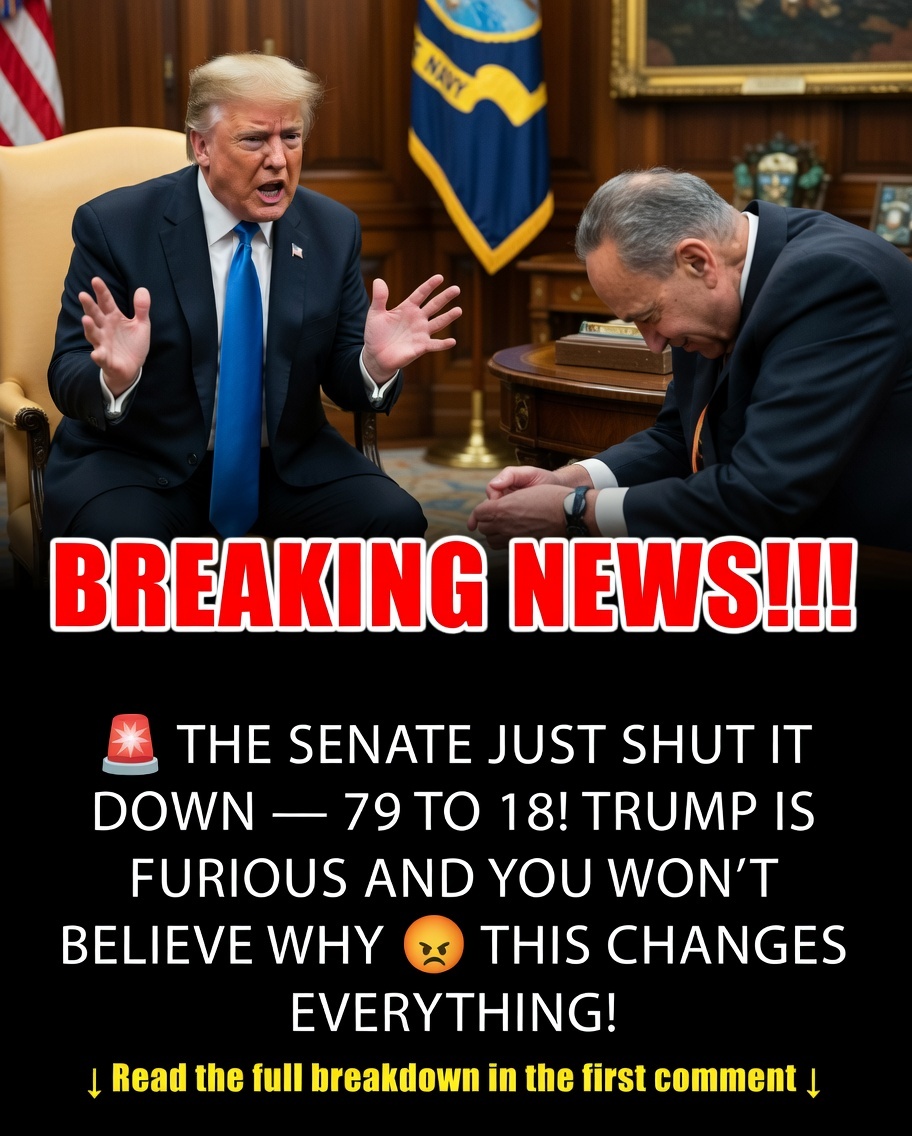
The world of politics often feels distant from everyday life, but major decisions like the recent Senate vote on foreign aid can have lasting impacts on everything from taxpayer dollars to global stability. For many Americans in their 50s, 60s, and beyond, who have watched administrations come and go, this particular tally—79 to 18—carried extra weight. It not only confirmed a massive $20 billion arms deal to Israel but also highlighted ongoing debates about U.S. foreign policy priorities. Senator Bernie Sanders led the charge to block the deal, arguing it enabled continued conflict in a volatile region, yet the overwhelming bipartisan support showed how deeply entrenched certain alliances remain in Washington.
The vote took place amid heightened tensions in the Middle East, where ongoing conflicts have raised questions about America’s role on the world stage. Sanders, known for his progressive stance on foreign aid, introduced resolutions to halt the transfer of high-grade munitions, including tank rounds, tactical vehicles, and heavy bombs. He contended that providing such weapons without conditions fueled unnecessary suffering and strained U.S. resources. Supporters of the deal, however, emphasized Israel’s right to self-defense and the strategic importance of maintaining strong ties with a key ally in a region fraught with instability.
For retirees and those nearing retirement, foreign policy decisions like this one hit close to home in unexpected ways. Billions in aid translate directly to taxpayer contributions, which could otherwise bolster domestic programs like Social Security, Medicare, or infrastructure repairs. Many in this age group remember past conflicts and the economic burdens they imposed—higher taxes, inflation spikes, and market volatility that dipped into savings. This vote reaffirmed a commitment to international alliances but also sparked concerns about long-term fiscal responsibility and how endless foreign spending might affect future generations’ financial security.
The 79-18 margin surprised many observers, including former President Donald Trump, who has historically been a vocal supporter of Israel but has also criticized unchecked foreign aid in his campaigns. Reports suggest Trump viewed the lopsided result as a missed opportunity to renegotiate terms that could better align with his “America First” approach. His public statements following the vote expressed frustration, noting that such deals should include stricter conditions to protect U.S. interests. This reaction underscored the ongoing political divide, even among those who generally agree on supporting Israel.
Behind the numbers lies a broader story of bipartisan cooperation in foreign affairs. Democrats and Republicans alike voted to uphold the deal, citing national security and the need to counter threats from groups like Hamas and Hezbollah. Sanders’ effort, while passionate, garnered limited support, with only a handful of progressive senators joining him. This outcome reflected the Senate’s reluctance to disrupt longstanding relationships, especially when global tensions run high and allies face existential risks.
Economic implications extend beyond immediate spending. The arms industry benefits directly from such deals, creating jobs in manufacturing and technology sectors across several states. For older Americans invested in stocks or mutual funds tied to defense contractors, this vote could mean steadier returns in retirement portfolios. However, critics argue that relying on military exports for economic growth diverts resources from domestic needs, like affordable healthcare or retirement benefits expansion.
Personal stories from constituents added emotional depth to the debate. Veterans and their families often weigh in on foreign aid votes, sharing experiences from past wars and emphasizing the human cost of prolonged conflicts. One letter read on the Senate floor came from a 75-year-old widow whose husband served in the Middle East, urging lawmakers to consider peace-building over arms escalation. Such voices remind everyone that policy decisions affect real lives, from soldiers on the ground to families back home planning for secure retirements.
Global reactions to the vote were swift and varied. Israel welcomed the continued support, viewing it as a strong signal against aggression in the region. Palestinian advocates, however, decried the decision as enabling further hardship. International observers noted that the U.S. remains a pivotal player in Middle East dynamics, with this aid package influencing negotiations and alliances for years to come. For U.S. citizens concerned about world peace in their golden years, such moves raise questions about long-term stability and the safety of future travel or family abroad.
Financial planning experts often advise retirees to monitor geopolitical events, as they can sway markets and inflation. This vote, by maintaining the status quo, may provide short-term economic predictability but also risks escalating costs if conflicts intensify. Diversifying investments—balancing defense stocks with bonds or international funds—helps buffer against volatility. Many in their later years prioritize stability, ensuring savings and insurance cover potential healthcare spikes tied to global unrest.
The role of public opinion cannot be overlooked. Polls show a generational divide, with younger Americans more skeptical of unconditional aid, while older generations often support strong alliances based on historical context. Sanders’ push resonated with progressives seeking accountability, but the broad rejection highlights enduring support for Israel among lawmakers. This dynamic encourages voters over 40 to stay engaged, contacting representatives about issues that affect retirement security and national priorities.
Family discussions around such votes can bridge generations. Grandparents sharing stories from past eras help grandchildren understand the complexities of foreign policy. In households where military service runs deep, these conversations also touch on legacy—ensuring benefits like VA healthcare and pensions remain robust for veterans and their spouses.
Ultimately, the 79-18 vote serves as a reminder that foreign policy shapes domestic realities. For those planning retirements, it underscores the need for informed voting and financial preparedness. Whether through diversified savings or advocating for balanced budgets, individuals can protect their futures amid global shifts.
Looking ahead, similar votes may arise as conflicts evolve. Staying informed through reliable sources helps older Americans anticipate impacts on Social Security, Medicare costs, and overall economic health. This decision, while maintaining alliances, invites reflection on sustainable aid strategies that promote peace without overburdening taxpayers.
In the end, the Senate’s action reaffirmed commitments but also sparked necessary dialogue about priorities. For families across generations, it highlights that true security comes from balanced policies, strong savings, and the wisdom to plan for an uncertain world. As retirees enjoy their well-earned years, understanding these connections ensures peace of mind extends beyond borders.
Most Popular!
-
 The Ultimate Wedding Revenge: When the Mother Who Abandoned Her Six Daughters Showed Up with Her Millionaire Boss, the Bride Opened a Box That Destroyed Lives Forever
-
The Beach Shaming Disaster: What My 8-Year-Old Said to the Prying Stranger Left Everyone Speechless
-
My Husband Abandoned Me With Twin Babies for a Luxury Fishing Trip — When He Returned, I Had Already Packed His Bags
-
The Three-Dollar Miracle: How a Dust-Covered Vase Revealed a Heartbreaking Decades-Old Secret
-
The $80,000 Battle to Erase a Birthmark: Why One Mother Risked Everything for Her Daughter’s Future
-
The Silent Thief: Why Millions of Men Are Living with a Time Bomb They Can’t See
-
The Final Curtain Falls: Beloved Sanford and Son Legend Hal Williams Gone at 91
-
Found at a Yard Sale: This “Useless” Vintage Contraption Is Actually a Forgotten Piece of Human History