In times of deep division, people often look to spiritual leaders for guidance that cuts through the chaos. Pope Leo XIV, the first American-born pontiff elected in May 2025, has already shown a knack for saying volumes with very few words. His brief exchange with a reporter has captured global attention, reminding millions that sometimes silence and simplicity carry more weight than long speeches. For families navigating retirement years, faith questions, and concerns about national unity, moments like this prompt reflection on what truly binds us together.
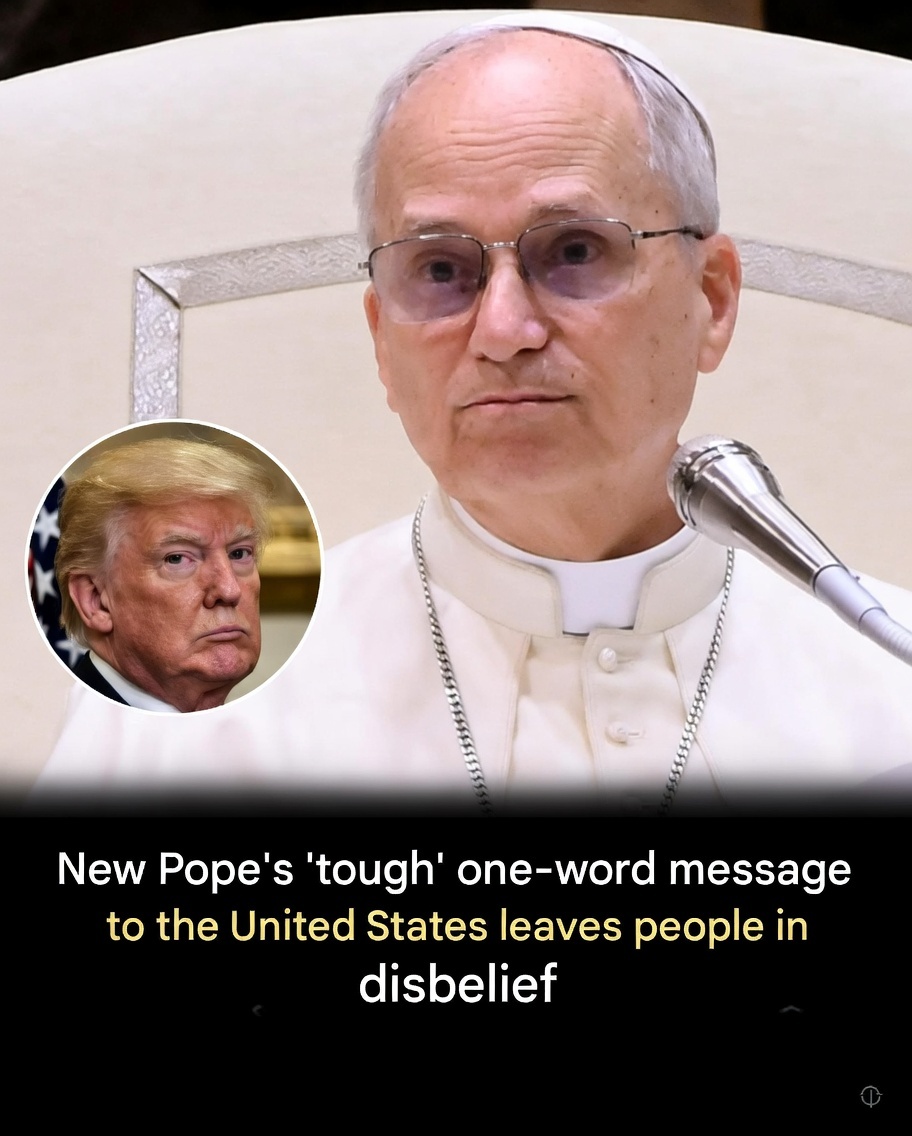
The moment unfolded during a casual walk through Vatican crowds shortly after his election. A NewsNation correspondent approached with a straightforward question: Did the new pope have any message for the United States? Pope Leo XIV paused, smiled, and replied with one word—”Many.” After a brief beat, he added warmly, “God bless you all.” What seemed like a lighthearted quip quickly went viral, sparking endless interpretations across social media and news outlets.
Many viewers saw the response as clever and diplomatic. By saying “many,” the pope acknowledged the complexity of issues facing his native country without committing to a single stance right away. In an era where every word from public figures gets dissected, his brevity stood out as refreshing. It suggested openness to dialogue rather than quick judgments, aligning with his emphasis on peace, reconciliation, and respect in public discourse.
Others interpreted the single word as more pointed. Given Pope Leo XIV’s background—born in Chicago as Robert Francis Prevost and having spoken previously about compassion, migrant dignity, and social fairness—some wondered if “many” carried a subtle layer of concern. The United States grapples with polarization on topics like immigration, economic inequality, free speech, and cultural shifts. A one-word reply could hint at the sheer number of challenges needing attention, or even a quiet call for more thoughtful leadership.
The pope’s choice of papal name adds context to his style. He selected Leo XIV to echo Pope Leo XIII, who addressed workers’ rights and social justice during the Industrial Revolution. In today’s world of rapid technological change and societal fractures, this nod suggests a focus on fairness, human dignity, and bridging divides. His early messages have stressed kindness, avoiding harsh words, and cultivating respect in families, workplaces, and online spaces—principles that resonate deeply with people in their 40s, 50s, and beyond who value stable communities and moral clarity.
Faith plays a central role for many Americans as they age. Regular church involvement, prayer, and spiritual reflection often provide comfort amid health worries, family changes, and retirement transitions. When a leader like the pope speaks—even in a single word—it can feel personal. For Catholic families especially, his voice carries authority and warmth, encouraging renewed focus on unity rather than conflict. Many report feeling moved to reach out to estranged relatives or pray more intentionally after hearing such moments.
The viral nature of the exchange highlights how quickly ideas spread in the digital age. Clips circulated on platforms like TikTok, X, and Facebook, with reactions ranging from laughter at the brevity to serious debate about its implications. Some called it “menacing” in a tongue-in-cheek way, while others praised it as masterful restraint. This range of responses mirrors broader societal tensions—people interpret the same words through their own lenses of hope, frustration, or concern.
For retirees and those nearing that stage, stories involving faith leaders often tie into larger life questions. How do we maintain harmony in divided times? What legacy do we leave for children and grandchildren? Pope Leo XIV’s approach—simple, gracious, and thoughtful—offers a model for handling difficult conversations at home. Speaking less but meaning more can de-escalate arguments and open doors to understanding, skills that become invaluable in family settings.
Financial and practical security also intersect with spiritual well-being. Many in their later years worry about healthcare costs, fixed incomes, and providing for loved ones. Faith communities often provide support networks—meals during illness, companionship, or guidance on end-of-life planning—that ease burdens. When public figures model compassion and unity, it reinforces the value of these connections, encouraging people to invest in relationships and community involvement.
The pope’s American roots make his words particularly resonant for U.S. audiences. As a Chicago native with missionary experience in Peru, he brings a unique perspective shaped by both North and South American realities. His election marked a historic first, symbolizing the global nature of the Church and the potential for diverse voices in leadership. For many watching, it feels like a bridge between personal heritage and universal faith.
Emotional reactions to the one-word message vary widely. Some feel inspired by the humility it displays—admitting there are “many” issues rather than pretending to have all answers. Others sense an undercurrent of urgency, a reminder that fractures run deep and require collective effort to heal. These mixed feelings prompt introspection: Are we listening to one another? Are we contributing to division or reconciliation?
Broader societal implications emerge as well. In a time when political rhetoric can grow heated, spiritual leaders often serve as voices of moderation. Pope Leo XIV’s emphasis on disarming language, avoiding slander, and fostering kindness aligns with timeless teachings that promote peace. For families concerned about grandchildren growing up in polarized environments, such guidance offers hope that calmer, more compassionate dialogue is possible.
Ultimately, a single word from the Vatican can ripple outward in profound ways. It invites people to pause amid constant noise, reflect on shared values, and recommit to building stronger bonds. Whether viewed as cryptic, humorous, or profound, the response underscores that true wisdom often lies in restraint rather than elaboration.
For those in retirement years or approaching them, moments like this reinforce priorities—faith, family, kindness, and purpose. They remind us that even in uncertain times, small gestures of grace can carry great power. Pope Leo XIV’s “Many” may be brief, but its echo invites ongoing conversation, prayer, and action toward a more united future. In listening carefully to such whispers, many find the clarity and comfort needed to face whatever lies ahead.
Most Popular!
-
 The Ultimate Wedding Revenge: When the Mother Who Abandoned Her Six Daughters Showed Up with Her Millionaire Boss, the Bride Opened a Box That Destroyed Lives Forever
-
The Beach Shaming Disaster: What My 8-Year-Old Said to the Prying Stranger Left Everyone Speechless
-
My Husband Abandoned Me With Twin Babies for a Luxury Fishing Trip — When He Returned, I Had Already Packed His Bags
-
The Three-Dollar Miracle: How a Dust-Covered Vase Revealed a Heartbreaking Decades-Old Secret
-
The $80,000 Battle to Erase a Birthmark: Why One Mother Risked Everything for Her Daughter’s Future
-
The Silent Thief: Why Millions of Men Are Living with a Time Bomb They Can’t See
-
The Final Curtain Falls: Beloved Sanford and Son Legend Hal Williams Gone at 91
-
Found at a Yard Sale: This “Useless” Vintage Contraption Is Actually a Forgotten Piece of Human History