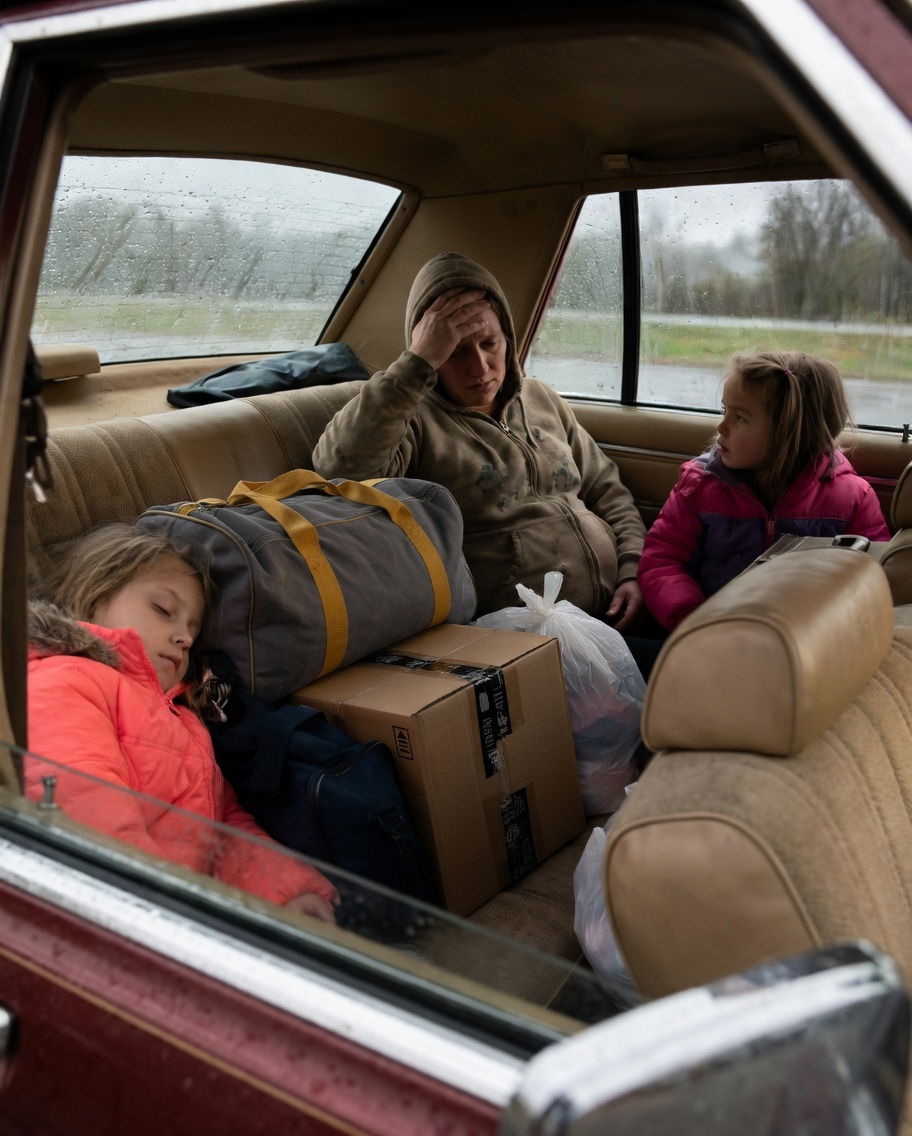
Family dynamics can become complicated when multiple generations live under one roof, especially during pregnancy and early childhood years. For many women in their 30s raising young children, the dream of a supportive home environment sometimes collides with outdated expectations about gender roles and family legacy. Stories like this one remind us how deeply hurtful traditional pressures can be, particularly when they involve vulnerable moments like childbirth and raising daughters. They also highlight the importance of emotional boundaries, financial independence, and strong support networks as people build their futures.
At 33, the woman at the center of this experience had already welcomed three daughters into the world. Each pregnancy brought joy but also increasing tension in the shared household with her husband Derek and his parents. Living with in-laws offered practical help with childcare and housing costs, a common arrangement for young families navigating tight budgets. Yet the arrangement gradually revealed underlying attitudes that valued sons over daughters in ways that felt increasingly painful and outdated.
The fourth pregnancy intensified everything. Comments from her mother-in-law, Patricia, grew sharper and more frequent. What began as subtle hints about hoping for a boy escalated into direct, cutting remarks. Patricia openly expressed disappointment that previous births had not produced a male heir, framing the daughters as somehow less desirable. These words carried weight because they came from someone with daily influence over the home environment and family decisions.
The husband, Derek, did not defend his wife or correct his mother. Instead, he remained silent or even joined in with dismissive responses that made the situation feel unbearable. When Patricia issued an ultimatum tied to the gender of the unborn child, Derek’s reaction was chillingly casual. He treated the threat as reasonable rather than outrageous, signaling that his loyalty leaned more toward his mother’s expectations than toward protecting his own family unit.
Tension built steadily in the weeks that followed. Casual jokes about redecorating the room after an imagined departure turned into active preparations. Patricia spoke openly about plans for the space once the current occupants were gone, as though eviction was a foregone conclusion. The emotional atmosphere became heavy with countdown-like pressure, making everyday moments feel strained and unsafe.
The breaking point arrived suddenly. Patricia appeared with black trash bags and began filling them with clothing, children’s jackets, prenatal vitamins, and other essentials. The act was deliberate and humiliating, reducing years of shared life to items deemed disposable. Pleas for intervention went unanswered. Derek’s response was cold and final, blaming his wife for not meeting an expectation that should never have been placed on her.
Within minutes, the woman and her three young daughters found themselves outside on the porch. Barefoot and in shock, she watched as the door locked behind them. The sound of her children crying mixed with the finality of that click, creating a moment of profound isolation. Pregnant, emotionally drained, and without immediate resources, she made her way to her parents’ home, where at least temporary shelter was available.
That night brought a storm of conflicting feelings—cramps from stress, waves of panic, deep shame, and growing anger at the betrayal. Sleep was impossible as questions swirled about what came next for her, her daughters, and the baby on the way. The sense of failure imposed by others clashed with the reality of her strength in caring for three little girls through such hostility.
Then came an unexpected knock at the door. When she opened it, a man stood on the porch with calm determination. His words were direct and reassuring: he told her to get in the car because they were going to confront the situation head-on. This arrival marked a turning point, shifting the story from one of victimhood to one of accountability and resolution.
What followed exposed deeper layers of family dynamics and legal realities that many overlook until crisis hits. In numerous states, contributing to household expenses, even informally, can establish certain tenant-like rights that prevent abrupt eviction without proper process. More importantly, when children are involved, courts prioritize their stability and well-being above generational preferences or gender biases.
The confrontation brought long-overdue clarity. Patricia and Derek faced consequences that ranged from social embarrassment within their community to potential legal ramifications for the manner of the eviction. Child protective considerations, property access issues, and spousal support discussions entered the picture quickly. The smug certainty that had defined their actions began to crumble under scrutiny.
This experience underscores the value of financial independence for women in family situations where power imbalances exist. Having personal savings, separate bank accounts, or access to supportive relatives provides a safety net that can prevent total helplessness. Many women in similar circumstances later reflect that building even small reserves earlier would have eased the transition when support vanished.
Emotional recovery takes time after such betrayals. The woman focused on her daughters’ sense of security, routine, and love while processing her own grief over a marriage that revealed its limits. Counseling, support from friends, and reconnecting with her own family helped rebuild confidence and perspective. The daughters, though young, showed remarkable resilience when surrounded by consistent care.
Pregnancy during upheaval adds physical and emotional layers. Stress management, prenatal care, and a calm environment become priorities to protect both mother and baby. Many in this position find strength in knowing their worth is not defined by others’ expectations but by their capacity to nurture and endure.
The broader lesson touches on shifting cultural attitudes toward daughters. Families that once placed heavy emphasis on male heirs increasingly recognize the equal value, intelligence, and contributions of girls. Stories of daughters succeeding in every field serve as quiet rebuttals to outdated biases, offering hope to mothers raising girls in less-than-supportive settings.
Legal awareness also proves empowering. Understanding rights related to marital property, child custody, and eviction procedures equips people to respond more effectively if similar situations arise. Consulting professionals early—before crises peak—can clarify options and prevent escalation.
In the aftermath, the woman rebuilt step by step. She focused on stability for her children, pursued necessary legal steps, and embraced the freedom that came with no longer living under constant judgment. The experience, though painful, revealed her own strength and the unwavering love of those who truly valued her.
Karma, in this case, arrived through consequences that were both practical and emotional. The family that once dismissed her efforts now faced the reality of their choices. For the woman and her daughters, the path forward centered on healing, growth, and creating a home defined by acceptance rather than conditions.
These kinds of turning points remind everyone that family should be a source of support, not judgment. When that foundation cracks, rebuilding often leads to stronger, more authentic connections—with oneself, with children, and with those who choose to stand by you through every season of life.
Most Popular!
-
 The Ultimate Wedding Revenge: When the Mother Who Abandoned Her Six Daughters Showed Up with Her Millionaire Boss, the Bride Opened a Box That Destroyed Lives Forever
-
The Beach Shaming Disaster: What My 8-Year-Old Said to the Prying Stranger Left Everyone Speechless
-
My Husband Abandoned Me With Twin Babies for a Luxury Fishing Trip — When He Returned, I Had Already Packed His Bags
-
The Three-Dollar Miracle: How a Dust-Covered Vase Revealed a Heartbreaking Decades-Old Secret
-
The $80,000 Battle to Erase a Birthmark: Why One Mother Risked Everything for Her Daughter’s Future
-
The Silent Thief: Why Millions of Men Are Living with a Time Bomb They Can’t See
-
The Final Curtain Falls: Beloved Sanford and Son Legend Hal Williams Gone at 91
-
Found at a Yard Sale: This “Useless” Vintage Contraption Is Actually a Forgotten Piece of Human History