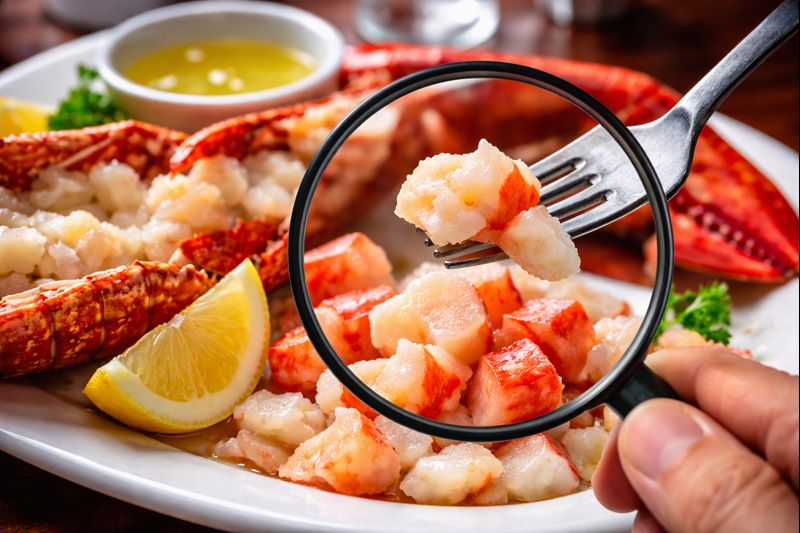
You order lobster, pay lobster prices, and expect lobster — end of story. But what if the buttery bite you just swallowed wasn’t lobster at all? A nationwide investigation just exposed a seafood secret that has stunned diners and rattled restaurants. After testing lobster dishes at 28 restaurants, researchers uncovered something alarming hiding in plain sight. When the lab results came back, even seasoned investigators were stunned. What they found raises a disturbing question: have millions of Americans been eating fake lobster without knowing it?
The Test That Changed Everything
The investigation set out to answer a simple question: when restaurants say “lobster,” do they really mean it?
Researchers ordered lobster dishes in every form imaginable — bisque, rolls, pasta, tails, and mixed seafood plates — from 28 different restaurants across the United States. The samples were then sent to labs for DNA testing to verify the species.
The results were anything but simple.
In 35% of the samples, the “lobster” wasn’t lobster at all.
Instead, labs identified cheap fish substitutes, including species commonly used to mimic lobster texture when chopped, shredded, or heavily seasoned.
How Restaurants Get Away With It
Seafood fraud thrives where dishes are processed, mixed, or disguised. In soups, bisques, salads, and stuffed dishes, it’s far harder for diners to visually identify what they’re eating.
Experts say substitutes are often chosen because they:
- Cost a fraction of real lobster
- Absorb butter and seasoning well
- Mimic texture when chopped
- Go unnoticed by most consumers
Once cooked and covered in sauce, few people can tell the difference.
Even Big Chains Were Tested
Perhaps most shocking was that even major chains weren’t immune.
Researchers tested lobster bisque from Red Lobster, the largest seafood chain in America. Multiple samples were analyzed to ensure accuracy.
While not every dish failed, the presence of substitutes in a significant number of restaurant samples nationwide raised alarms among food safety experts.
“This isn’t about one bad restaurant,” one investigator said. “It’s about a system that allows substitution without transparency.”
Is It Illegal — or Just Deceptive?
Seafood mislabeling occupies a gray legal area. In some cases, restaurants may rely on suppliers who mislabel products upstream. In others, menus use vague terms like “lobster-style seafood” or bury disclaimers in fine print.
But consumer advocates argue that when menus clearly state “lobster,” diners have a right to expect the real thing.
“This is about trust,” one food policy expert explained. “People are paying premium prices for a premium product.”
Health and Allergy Concerns
Beyond deception, mislabeling carries real health risks.
Some fish substitutes may:
- Trigger allergies
- Come from less-regulated fisheries
- Have different mercury or contaminant profiles
For people with shellfish allergies, consuming unexpected species could be dangerous.
That’s why experts say transparency isn’t just ethical — it’s critical.
Why This Is Happening More Now
Rising seafood prices, supply chain disruptions, and declining lobster stocks have made real lobster more expensive than ever. At the same time, consumer demand remains high.
That combination creates temptation.
“When prices rise, fraud follows,” one analyst said.
With lobster prices fluctuating wildly, some restaurants may cut corners — especially in dishes where visual identification is difficult.
What Diners Can Do to Protect Themselves
Food experts recommend a few simple steps:
- Ask whether dishes use real lobster or lobster substitutes
- Be cautious with heavily processed lobster items
- Favor whole lobster tails when possible
- Watch for vague menu descriptions
If the price seems too good to be true, it often is.
Industry Pushback
Some restaurant groups argue the findings paint the industry unfairly, noting that many establishments take labeling seriously. Others blame suppliers and call for tighter oversight.
But consumer advocates say the burden shouldn’t fall on diners to decode menus.
The Bigger Question Left Behind
A comforting assumption has been shattered: that what’s on the menu matches what’s on the plate.
For many diners, this investigation changes how they’ll order seafood forever.
Because now, every time “lobster” appears on a menu, one uncomfortable question lingers:
Are you paying for lobster — or just the idea of it?
Most Popular!
-
 Donald Trump Releases Shocking Health Report but Critics Point to Hidden Details and Missing Data That Could Change Everything
-
The Unholy War Between the White House and the Vatican: Why JD Vance’s Shocking Accusation Against Pope Leo Has the Entire World Bracing for a Spiritual Collapse
-
Chilling Reports of US and Iran War Send Global Markets into Total Chaos as Truth Behind Downed Fighter Jet Finally Revealed
-
The Truth About What Happens to Your Body When You Eat Walnuts Every Day, According to Top Medical Experts
-
Brandi Passante Sends Internet Into Total Meltdown After Stunning New Beach Photos Go Viral Across Social Media
-
Where Are They Now: The Heartstopping True Story of Britain’s Youngest Parents Who Shocked the Nation at Fourteen Years Old
-
Why You Are Waking Up at One AM Every Night and the Shocking Spiritual Warning Your Body Is Trying to Send You Before It Is Too Late
-
Unprecedented Global Showdown as Trump Unleashes Chilling Two-Word Attack on Pope Leo Amid International Crisis