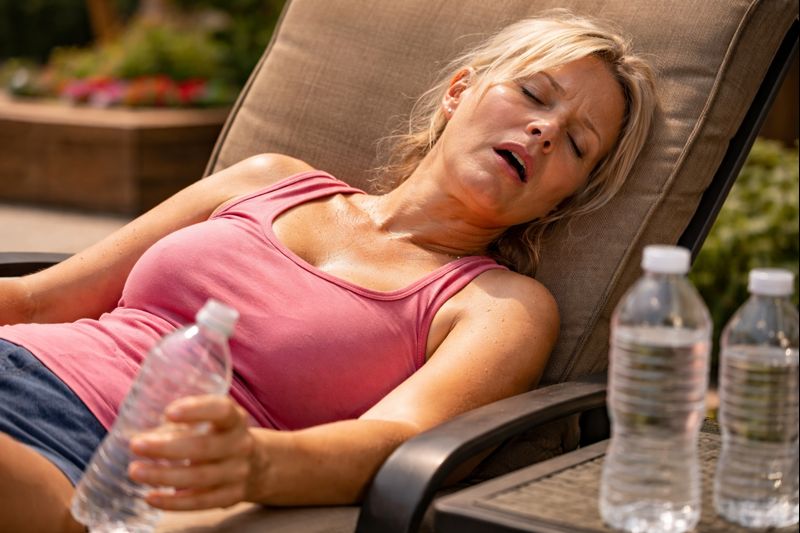
It was a blistering summer day, and Ashley Summers did what millions of people are told to do: drink more water. She felt dizzy, weak, and dehydrated, so she reached for bottle after bottle, trying to protect her body from the heat. But within a short time, the 35-year-old mother of two was gone. Doctors later confirmed something few people ever consider — too much water, too fast, can be deadly. And her story is forcing experts to issue a chilling warning.
A Normal Day Turns Tragic
Ashley Summers, 35, was spending a hot summer day trying to stay hydrated. According to her family, she complained that she felt dehydrated and unwell. Concerned and trying to do the right thing, she began drinking water — a lot of it.
In just 20 minutes, Ashley reportedly consumed four 16-ounce bottles, totaling 64 ounces of water.
To most people, that doesn’t sound dangerous. It sounds responsible.
But her body was about to be overwhelmed.
What Doctors Say Happened
Medical experts believe Ashley died from a condition known as water intoxication, also called hyponatremia. It occurs when someone consumes large amounts of water in a short period of time, diluting sodium levels in the blood.
Sodium isn’t just salt — it’s essential for:
- Brain function
- Nerve signaling
- Muscle movement
- Fluid balance inside cells
When sodium levels drop too quickly, water begins to flood into cells. In the brain, this can cause swelling, seizures, coma, and death.
That’s what doctors believe happened to Ashley.
Why the Brain Is Especially Vulnerable
Unlike other parts of the body, the brain has very little room to expand. When brain cells swell due to diluted sodium levels, pressure builds rapidly inside the skull.
Symptoms of water intoxication can include:
- Headache
- Confusion
- Nausea and vomiting
- Muscle cramps
- Seizures
- Loss of consciousness
Family members say Ashley’s condition worsened quickly, leaving little time to react.
“But We’re Always Told to Drink More Water…”
That’s what makes this story so unsettling.
Public health messaging often emphasizes hydration — especially during hot weather. But experts stress there’s a critical difference between staying hydrated and flooding your system.
“Water is essential,” one physician explained. “But it’s not harmless in unlimited amounts. The body needs balance.”
Drinking excessive water without replacing electrolytes — particularly sodium — can be dangerous, especially during heat exposure or physical stress.
Who Is Most at Risk?
While water intoxication is rare, certain situations increase risk:
- Extreme heat
- Intense physical activity
- Rapid consumption of large volumes of water
- Low body weight
- Certain medications
- Underlying kidney or hormonal conditions
Athletes, outdoor workers, and people trying to “push through” heat illness may unknowingly be vulnerable.
The Warning Doctors Want People to Hear
Hydration should be gradual, not forced.
Medical professionals recommend:
- Drinking steadily, not rapidly
- Listening to thirst cues
- Including electrolytes during prolonged heat or activity
- Avoiding “chugging” large volumes in short timeframes
Clear urine doesn’t always mean healthy hydration — and feeling unwell after drinking water is a red flag, not reassurance.
A Family Left With Questions
Ashley leaves behind two children and a grieving family struggling to understand how something so ordinary could turn fatal.
“She was trying to take care of herself,” a relative said. “She didn’t know this could happen.”
That lack of awareness is exactly what experts say needs to change.
Why This Story Matters
Ashley’s death isn’t meant to scare people away from water — it’s meant to remind us that even healthy habits can become dangerous when taken to extremes.
Water intoxication doesn’t announce itself loudly. It masquerades as dehydration, fatigue, or heat exhaustion — which can lead people to drink even more, making the situation worse.
The Takeaway Everyone Should Remember
Water saves lives.
But balance protects them.
Ashley Summers didn’t ignore medical advice. She followed it — too literally.
And her story leaves behind a sobering question that experts hope people will take seriously:
If something as simple as drinking water can turn dangerous, are we paying enough attention to how — and how fast — we hydrate?
Most Popular!
-
 Donald Trump Releases Shocking Health Report but Critics Point to Hidden Details and Missing Data That Could Change Everything
-
The Unholy War Between the White House and the Vatican: Why JD Vance’s Shocking Accusation Against Pope Leo Has the Entire World Bracing for a Spiritual Collapse
-
Chilling Reports of US and Iran War Send Global Markets into Total Chaos as Truth Behind Downed Fighter Jet Finally Revealed
-
The Truth About What Happens to Your Body When You Eat Walnuts Every Day, According to Top Medical Experts
-
Brandi Passante Sends Internet Into Total Meltdown After Stunning New Beach Photos Go Viral Across Social Media
-
Where Are They Now: The Heartstopping True Story of Britain’s Youngest Parents Who Shocked the Nation at Fourteen Years Old
-
Why You Are Waking Up at One AM Every Night and the Shocking Spiritual Warning Your Body Is Trying to Send You Before It Is Too Late
-
Unprecedented Global Showdown as Trump Unleashes Chilling Two-Word Attack on Pope Leo Amid International Crisis