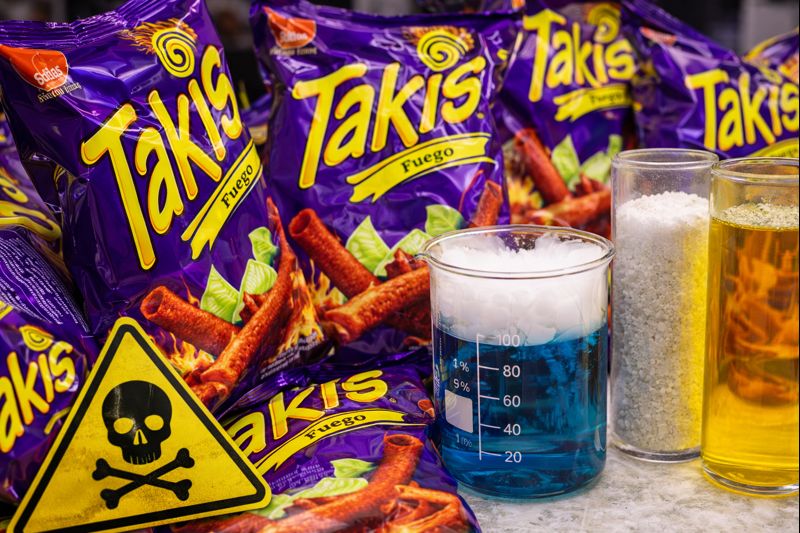
It sounds terrifying. A snack found in backpacks everywhere. Bright red dust on kids’ fingers. And now headlines and viral posts claiming two children have died because of it. Parents are sharing warnings at lightning speed, calling it a “deadly food” and a “chronic health bomb.” But as fear spreads faster than facts, one critical question hangs in the air: what is actually true — and what is being dangerously misunderstood?
How Takis Became the Center of a Global Health Panic
Takis, the rolled tortilla chip known for its extreme heat and neon colors, has exploded in popularity among teens and tweens. That popularity has also made it a lightning rod for concern.
In recent weeks, viral claims on social media and messaging apps have alleged that two children died after consuming Takis, with posts blaming carcinogenic food coloring, excessive sodium, artificial flavorings, and saturated fats. Some posts go even further, calling Takis a “deadly food” and urging governments to ban it.
Health authorities in several countries have acknowledged public concern, but here’s the key point many posts leave out:
👉 There is no confirmed scientific or official evidence proving Takis directly caused the deaths of any children.
What Health Authorities Actually Say
Public health agencies and medical experts urge caution against drawing direct cause-and-effect conclusions from viral claims. When child deaths occur, investigations typically involve multiple factors, including pre-existing conditions, overall diet, and unrelated medical issues.
No major regulator has formally classified Takis as a “deadly food.”
However — and this matters — experts do agree on one thing: Takis are an ultra-processed snack with nutritional risks when consumed frequently.
The Real Health Concerns Behind the Fear
Nutritionists say Takis represent a broader issue in children’s diets: overconsumption of highly processed foods.
Key concerns often cited include:
- Extremely high sodium
A single serving contains about 390 milligrams of sodium, a large amount for children. Excess sodium is linked to high blood pressure and increased gastric cancer risk over time. - Artificial colors and flavors
While approved for use in many countries, some artificial colorings remain controversial and are under ongoing scientific review. - High saturated fat content
Frequent intake contributes to cardiovascular risk and metabolic stress. - Low nutritional value
Takis are low in calcium, iron, fiber, and essential vitamins — yet for some kids, they replace actual meals.
What Doctors Warn About — Without the Hype
Gastroenterologists say excessive consumption of very spicy, processed snacks can irritate the digestive system, especially in children.
Possible effects include:
- Gastritis and stomach inflammation
- Acid reflux and abdominal pain
- Intestinal irritation or bleeding in extreme cases
But experts are careful with their language.
“This isn’t poison,” one pediatric nutrition specialist explained. “It’s not a single bag that causes catastrophe. The risk comes from chronic, frequent consumption, especially when paired with poor overall diet.”
How Fear Turned Into a Viral Storm
Social media algorithms reward shock. Words like “deadly,” “carcinogen,” and “health disaster” spread far faster than nuanced medical explanations.
Parents are understandably emotional when children are involved. But public health experts warn that panic can drown out useful guidance.
“There’s a difference between risk awareness and medical misinformation,” one consumer health advocate said.
What Parents Should Actually Do
Instead of reacting to viral fear, experts recommend:
- Limiting ultra-processed snacks in general
- Treating Takis as an occasional treat, not a staple
- Encouraging whole foods: fruits, vegetables, proteins, calcium-rich options
- Monitoring symptoms like stomach pain or reflux
- Consulting a pediatrician if concerns arise
The Bigger Picture Nobody’s Talking About
Takis are not unique. They’re part of a much larger trend: ultra-processed foods dominating children’s diets worldwide.
Studies consistently link heavy consumption of processed foods to higher risks of obesity, heart disease, diabetes, and certain cancers over decades, not overnight.
That’s the real warning experts want parents to hear.
The Question Every Parent Is Now Asking
Takis aren’t a magic poison. They aren’t harmless either.
Between viral panic and corporate marketing, parents are stuck in the middle — trying to protect kids without being misled by fear.
So here’s the cliffhanger that actually matters:
Are we focusing on one spicy snack… while ignoring the bigger crisis of what kids are really eating every day?
Most Popular!
-
 Eggs, Cholesterol, and Timing: What Actually Matters for Most People
-
When a Partner Leaves With More Than a Suitcase: Protecting Yourself From Financial Betrayal
-
When Financial Support Meets Contempt: Recognizing Exploitation Inside a Marriage
-
Why Some Sensory Toys and Household “Hacks” Do Not Belong in the Microwave
-
When Grief Clouds Judgment: Misreading Silence and the Quiet Ways People Show Care
-
When One Partner Does All the Hosting: Recognizing Imbalance Before Resentment Takes Over
-
How Many Holes Are in a T-Shirt? What a Simple Puzzle Reveals About How We See
-
The Quiet Stories Inside Secondhand Objects: When a Thrift-Store Find Carries Someone Else’s History