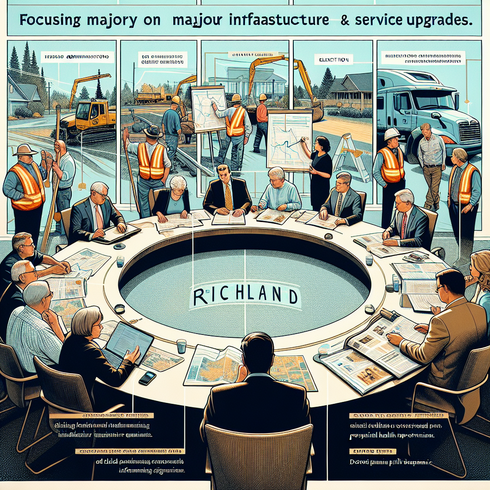
Richland County commissioners recently convened to address key administrative matters affecting the region’s roads, elections, broadband access, and health initiatives. While the agenda reflected routine business, several pivotal developments illustrate how local governance is setting the stage for transformative improvements that could directly impact quality of life across the county.
One of the most notable announcements came from Red River Communications, which revealed its new status as the official local exchange carrier for the Wyndmere area. After completing a significant infrastructure upgrade, the company is poised to offer enhanced broadband service, a move that holds promise for residents and businesses alike. In an increasingly digital economy, reliable internet isn’t just a convenience—it’s a prerequisite for education, healthcare, and economic development. This shift signals a broader commitment to digital equity in rural North Dakota.
Beyond connectivity, the board reviewed ongoing efforts to maintain and improve roadways throughout the county. Infrastructure remains a backbone of economic activity, and Richland’s rural character presents unique challenges in transportation upkeep. Regular investments in road maintenance and upgrades are essential not only for farm logistics and emergency services but also for ensuring safe travel for residents. The discussion underscored the commissioners’ readiness to prioritize long-term planning over short-term fixes.
Elections and public health were also on the docket, reflecting a comprehensive approach to governance. With upcoming election cycles and public scrutiny on voting systems, the county’s efforts to ensure fair and transparent processes reassure constituents and bolster civic participation. Simultaneously, public health strategies—especially post-pandemic—require ongoing adaptation. The board’s focus on these areas highlights a broader awareness that democracy and well-being go hand in hand.
In total, the meeting reflected more than mere administrative upkeep; it showcased a tangible commitment to evolving with the times while addressing the fundamental needs of the community. As technology, transportation, and health demands shift, Richland County appears to be stepping up thoughtfully. Taken together, these initiatives suggest a county preparing not just for the present, but for a sustainable and connected future.
Most Popular!
-
 When Money and Loyalty Collapse Together: Navigating Financial Betrayal in a Marriage
-
The Mattress Tag Myth: Why “Do Not Remove Under Penalty of Law” Does Not Apply to You
-
When Helping Family Puts Your Home at Risk: Protecting Yourself in Later Life
-
Feeling Drained Despite Rest: Understanding the Signs That May Point to Low Vitamin B12
-
That Strange Thing in Your Ground Beef: What It Usually Is and When to Worry
-
When an Absent Parent Returns: Boundaries, Time, and the Limits of Making Amends
-
When Secrets in the Home Become Dangerous: Recognizing Control, Betrayal, and the Path Back to Safety
-
The Quiet Crisis Next Door: Loneliness, Small Gestures, and What We Miss in Ordinary Neighborhoods