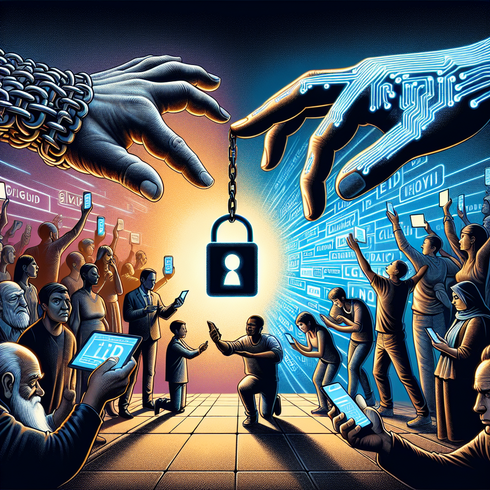
As technology continues to evolve, so too does the government’s desire to assert control over how it’s used. A recent push by some lawmakers to require government-issued digital IDs for access to certain online services has sparked heated debate. Framed as a way to combat misinformation, fraud, and online anonymity abuses, these proposals raise deeper concerns about personal freedom and privacy in a world already dominated by surveillance and data collection.
Journalist John Stossel, a vocal defender of individual liberty, is sounding the alarm over these initiatives, arguing that they are less about safety and more about control. His concern isn’t unfounded. History shows that government oversight, once introduced for one purpose, often expands far beyond its initial scope. What starts as a simple requirement for a digital ID could quickly turn into a gateway to excessive regulation of speech, access, and economic participation online.
Proponents argue that digital identification could reduce cybercrime and create a more trustworthy digital ecosystem. However, such systems often entail centralized databases of sensitive personal information — prime targets for hackers and government overreach. More critically, mandatory digital IDs could marginalize populations who might lack easy access to government documentation, further exacerbating digital divides.
The broader risk lies in the possible erosion of anonymity, which is foundational to online activism, whistleblowing, and freedom of expression. Anonymous speech has played a critical role in movements for justice and transparency throughout modern history. By mandating digital identity verification, we risk building a digital landscape where dissent is discouraged and surveillance is normalized.
In conclusion, while the desire for safer and more authentic online interaction is understandable, the method of achieving it should not infringe on basic civil liberties. Lawmakers must tread carefully and consider the long-term implications of digital ID mandates. A balance must be struck — one that values both security and the right to operate freely in the digital realm.
Most Popular!
-
 When Money and Loyalty Collapse Together: Navigating Financial Betrayal in a Marriage
-
The Mattress Tag Myth: Why “Do Not Remove Under Penalty of Law” Does Not Apply to You
-
When Helping Family Puts Your Home at Risk: Protecting Yourself in Later Life
-
Feeling Drained Despite Rest: Understanding the Signs That May Point to Low Vitamin B12
-
That Strange Thing in Your Ground Beef: What It Usually Is and When to Worry
-
When an Absent Parent Returns: Boundaries, Time, and the Limits of Making Amends
-
When Secrets in the Home Become Dangerous: Recognizing Control, Betrayal, and the Path Back to Safety
-
The Quiet Crisis Next Door: Loneliness, Small Gestures, and What We Miss in Ordinary Neighborhoods