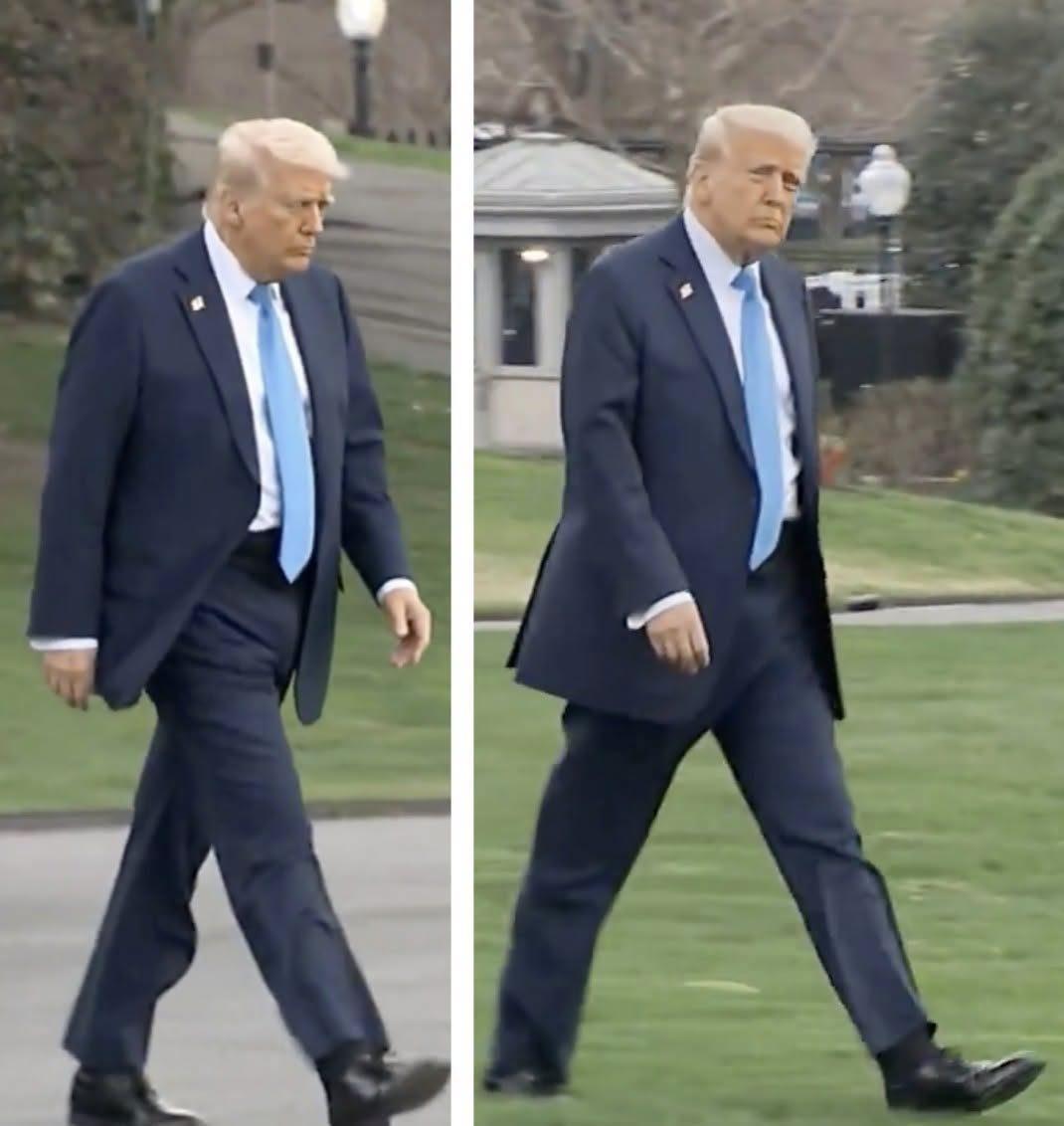
A single photograph circulating widely online has sparked intense discussion and speculation about former President Donald Trump’s physical appearance. Images showing noticeable changes in his weight, facial features, or overall look have led many to question whether they indicate underlying health concerns, the cumulative effects of years in the political spotlight, or simply the natural process of aging. As with any public figure under constant scrutiny, separating factual observations from sensational interpretations requires careful consideration of context, reliable information, and respect for privacy.
Public figures endure unique pressures that affect their physical and mental well-being. Trump has maintained an exceptionally high-profile existence for decades, involving business ventures, television appearances, two presidential campaigns, and ongoing legal and political activities. Such demanding schedules often involve irregular sleep patterns, high stress levels, dietary inconsistencies, and limited opportunities for consistent exercise. These factors commonly contribute to visible changes over time, regardless of wealth or access to medical care. Stress, in particular, can influence weight distribution, skin appearance, and energy levels in profound ways.
Medical experts consistently advise against attempting diagnoses based solely on photographs. Lighting, camera angles, clothing choices, and even photo editing can dramatically alter how someone appears in images. What looks like significant change in one photo may appear less pronounced in others taken under different conditions. Without access to comprehensive medical records or official statements, public speculation remains exactly that — speculation rather than verified fact. Trump’s team has not indicated any major undisclosed health issues, and like previous presidents, he undergoes regular medical evaluations that are typically summarized in public reports.
The conversation around Trump’s appearance fits into broader patterns of how society discusses aging leaders. Political figures face intense focus on their vitality because their roles involve significant responsibilities affecting millions. Questions about stamina, cognitive sharpness, and overall fitness naturally arise during election cycles or periods of heightened activity. However, this scrutiny can cross into unfair territory when it relies on visual analysis rather than substantive evaluation of performance and capabilities. History shows many leaders effectively served well into their later years, demonstrating that chronological age does not automatically equate with diminished capacity.
Some observers point to lifestyle factors that may contribute to changes in appearance. Trump has historically been known for certain dietary preferences and work habits that could influence weight and energy. Like many people in high-pressure environments, balancing personal health with professional demands presents ongoing challenges. Public life often limits privacy for routine medical care or recovery time, potentially exacerbating normal aging processes. Additionally, the emotional toll of political battles, public criticism, and legal proceedings can manifest physically in various ways.
On the other hand, some changes may reflect positive adaptations or personal choices. Individuals in the public eye sometimes adjust appearance through grooming, wardrobe, or medical procedures for professional reasons. Without confirmation, assuming negative health implications risks spreading unverified rumors that can cause unnecessary concern among supporters or fuel partisan attacks. Responsible reporting focuses on confirmed information rather than visual interpretation.
The rapid spread of such photos on social media demonstrates the power of visual content in shaping narratives. Platforms amplify images that evoke strong reactions, whether curiosity, concern, or criticism. This dynamic can distort public perception, as a single snapshot lacks the context of time, circumstances, or medical history. Media literacy becomes crucial in evaluating such content critically rather than accepting surface-level impressions as definitive truth.
Trump’s long career in the spotlight has included periods of notable physical presence and energy. His supporters often highlight his active campaigning style and resilience through challenges as evidence of robust health. Critics may interpret visible changes differently, using them to question fitness for future roles. Both perspectives reflect deeper political divisions rather than purely medical analysis. Ultimately, voters assess candidates based on policy positions, experience, and character more than photographic evidence.
Presidential health has historically been a topic of public interest. Previous leaders faced scrutiny over conditions ranging from heart issues to neurological concerns. Modern transparency practices, including periodic medical summaries, help address legitimate questions while protecting reasonable privacy. Trump released health information during his presidency, consistent with norms for candidates. Continued updates during active political periods would likely follow similar patterns if relevant.
Beyond individual health discussions, these conversations raise important societal questions about aging, capability, and leadership. Many countries grapple with balancing respect for experienced leaders with the need for vitality in demanding roles. Age discrimination concerns intersect with genuine questions about cognitive and physical fitness for high-stakes positions. Finding appropriate ways to evaluate candidates without reducing them to appearance remains an ongoing challenge for democratic systems.
For the public, maintaining perspective proves valuable. One photo cannot capture the complexity of any person’s health journey. Focusing on verifiable actions, statements, and policy proposals provides more meaningful insight than visual speculation. Supporting comprehensive medical transparency from leaders while avoiding harmful rumor-mongering strikes a reasonable balance.
Trump’s visibility ensures continued attention to his physical condition as long as he remains active in public life. Whether changes reflect health challenges, lifestyle factors, or normal aging, the most productive approach involves respecting medical privacy while expecting appropriate disclosure for those seeking significant public roles. The viral nature of such images underscores both the power of visual media and the responsibility that comes with sharing and interpreting it.
In conclusion, while the photograph has generated substantial discussion, it represents one moment in a long public life rather than definitive evidence of any specific condition. Trump, like all individuals, experiences natural changes over time. The focus for citizens and analysts should remain on substantive matters of leadership, policy, and character. Health remains a deeply personal matter, even for those living in the public eye. As speculation continues, prioritizing verified information over visual assumptions serves both truth-seeking and respect for human dignity. The conversation around such images ultimately reveals more about societal attitudes toward aging and power than about any single individual’s medical status.
Most Popular!
-
 The Secret in the Beanbag Chair: My Daughter Disappeared on Prom Night – And I Spent 11 Months Blaming the Wrong Person
-
My MIL and Her Sister Treated Me Like Their Personal Maid at My Own Lake House – So I Called the One Person Who Could Put Them in Their Place
-
The Grandma Shaming Scandal: My Daughter-in-Law Banned Me from Seeing My Grandkids Over a Beach Photo – But I Taught Her a Lesson She’ll Never Forget
-
They Tried to Humiliate My Son at Prom – But His Heartbreaking Response Left the Entire School in Tears
-
Bill Clinton Headline Sparks Massive Online Confusion: The Problem With Vague “Breaking News” Tactics
-
Every Store Told My Daughter She Was “Too Big” for Prom – Until Her Best Friend’s Secret Left Everyone in Tears
-
The Wrong Number That Saved a Mother’s Life: How a Mistaken Text to a Billionaire Changed Everything
-
My Mother Threw My Clothes on the Porch After a Long Nursing Shift – But She Had No Idea the House Was Actually Mine