Imagine planning a much-needed family vacation for months, scrimping and saving for a slice of paradise, only to have a stranger ruin it with one hateful demand. This kind of story hits hard for many parents raising neurodivergent children. But what happens when that moment of cruelty sparks an unexpected wave of kindness and justice? It becomes a powerful reminder that standing up for what’s right — often in the quietest ways — can change everything.
Families with autistic children face unique challenges every day. Sensory sensitivities, routines that help regulate emotions, and the simple joy of activities like swimming can make a huge difference. Water often provides a calming environment where kids can stim freely — whether through humming, splashing, or floating — without the overwhelming pressures of the world around them. For one mother and her ten-year-old son Noah, a beachfront resort seemed like the perfect escape after a tough year filled with therapy sessions and social hurdles. Noah thrived in the pool, his gentle humming a sign of contentment rather than disruption.
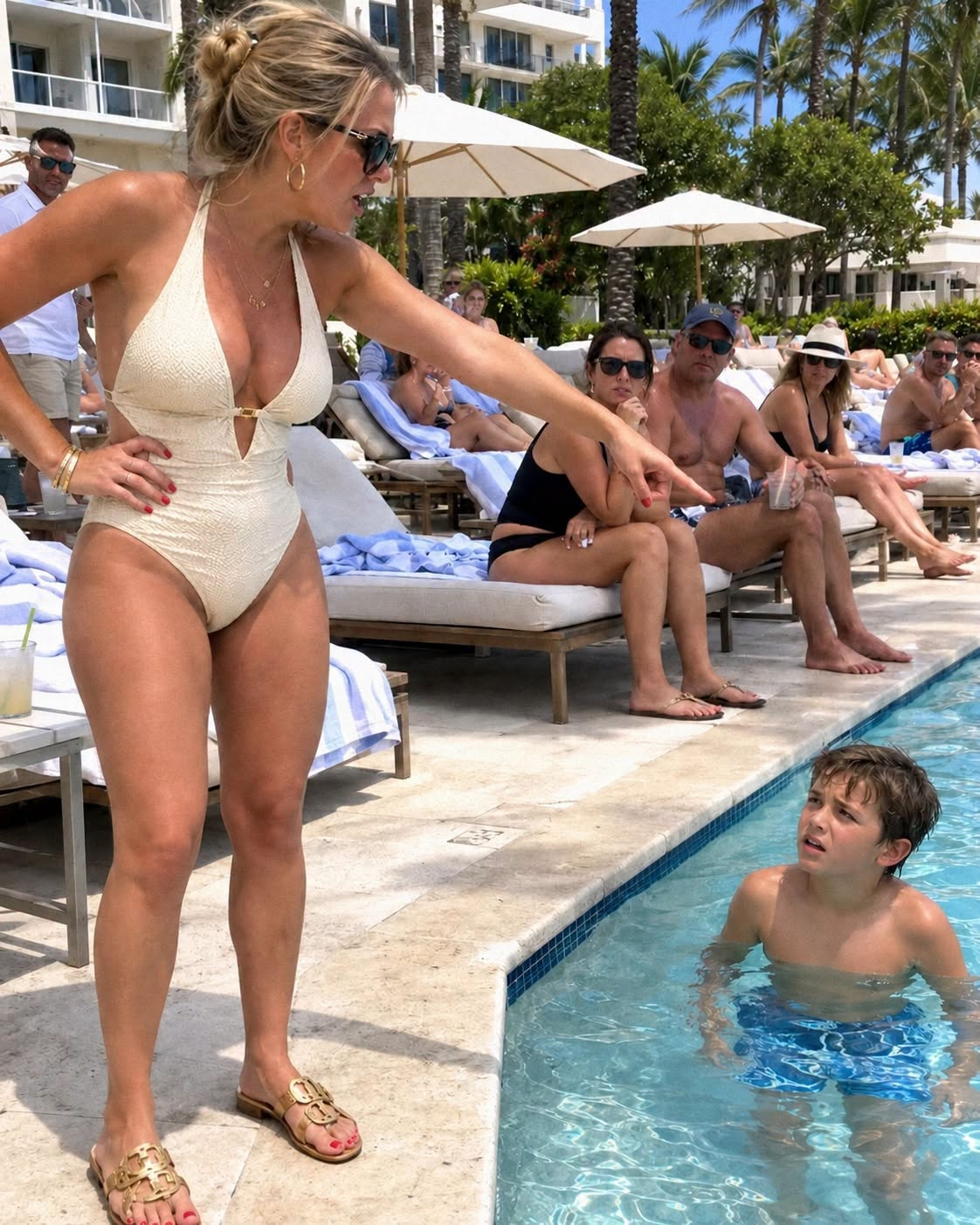
Yet peace shattered when an entitled woman in designer sandals approached. She demanded the boy be removed from the pool because his presence supposedly bothered the “premium guests.” Her loud accusations drew stares and created instant tension. Many parents know this fear: the worry that a child’s natural behaviors will lead to judgment or exclusion. This wasn’t just rude; it was ableist discrimination wrapped in entitlement, the kind that ignores laws protecting people with disabilities in public accommodations. The mother’s heart raced as she watched her son pick up on the hostility, his hands starting to show signs of distress.
Instead of yelling or confronting the bully head-on, which could have escalated things and triggered a meltdown, the mother chose something beautifully defiant. She waded into the water beside her son and began humming the same soothing tune. Her husband stood supportively nearby. This quiet act of solidarity spoke volumes. It showed that they wouldn’t hide or apologize for who they were. In that moment, the focus shifted from the accuser’s demands to a family’s love and strength. The woman, expecting staff to cater to her, pulled out her phone to complain, but she had no idea allies were already watching.
An observant older guest, a retired hotel manager named Miss Ramirez, had seen the entire exchange. With decades of experience, she recognized the troublemaker from a previous incident involving another autistic child. She calmly informed the assistant manager that the woman’s “platinum status” was fake — borrowed from a family member — and that she had a history of similar harassment. The atmosphere changed instantly. Managers arrived, verified details, and the entitled guest’s facade crumbled. Her stay was terminated, and she was escorted off the property amid quiet applause from other guests who had witnessed the drama.
This outcome wasn’t just satisfying justice; it highlighted how awareness and courage from bystanders can make all the difference. Too often, stories of discrimination against autistic individuals end with the family leaving in tears. Here, the resort staff stepped up, apologized sincerely, and even comped the rest of the family’s vacation as a gesture of goodwill. It reinforced that businesses have responsibilities under the Americans with Disabilities Act and similar protections to ensure inclusive environments. More importantly, it showed other families that kindness can prevail.
Beyond the immediate victory, the experience brought unexpected connections. Another dad and his kids joined them in the pool, offering genuine smiles and normalcy. On the final day, Noah even taught a shy girl how to float while humming, sharing his coping strategy with pure joy. These small interactions demonstrate the power of neurodiversity acceptance. When communities embrace differences instead of fearing them, everyone benefits. Autistic people bring unique perspectives, creativity, and empathy to the world — qualities that deserve celebration, not exclusion.
Parents navigating similar situations can draw valuable lessons here. Preparation is key: research venues for their inclusivity policies beforehand and consider sensory-friendly times or locations. Having a calm response plan, like modeling positive behavior rather than engaging in conflict, can de-escalate stress. Educating others gently about autism — perhaps through simple explanations or sharing resources — helps build understanding. And remember, you’re not alone. Support networks, online communities, and advocacy groups offer strategies and solidarity.
This story also sparks important conversations about entitlement in public spaces. In our fast-paced, social-media-driven world, some people act as if luxury equals the right to control others. But true luxury includes compassion and respect. Stories like this one going viral remind us that cruelty often backfires when good people refuse to stay silent. Hotel staff, fellow guests, and everyday heroes play crucial roles in fostering environments where all children can enjoy simple pleasures like a swim.
Looking broader, society continues making progress toward inclusion. Schools implement individualized education plans, workplaces adopt neurodiversity hiring, and public awareness campaigns highlight the spectrum of autism. Yet incidents still occur, showing the need for ongoing education. Resources from organizations like the Autism Society or local support centers provide toolkits for families and businesses. Sharing positive stories, like this poolside triumph, helps shift narratives from pity or fear to empowerment and community.
Ultimately, the mother’s decision to hum alongside her son wasn’t just defiance — it was a lesson in resilience and humanity. It taught her child that his needs matter and that standing firm doesn’t always require loud battles. For every negative encounter, there are more people ready to uplift and include. This family’s vacation transformed from potential heartbreak into a memory of victory and hope. It proves that when faced with ignorance, responding with love and authenticity can create ripples of change far beyond one pool.
In the end, these experiences strengthen families and inspire broader change. Whether you’re a parent of a neurodivergent child or someone wanting to be a better ally, remember the power of small acts: a supportive presence, speaking up against injustice, or simply offering a smile. The world becomes brighter when we make space for everyone to float freely in their own way.
Most Popular!
-
 Every Store Told My Daughter She Was “Too Big” for Prom – Until Her Best Friend’s Secret Left Everyone in Tears
-
The Wrong Number That Saved a Mother’s Life: How a Mistaken Text to a Billionaire Changed Everything
-
My Mother Threw My Clothes on the Porch After a Long Nursing Shift – But She Had No Idea the House Was Actually Mine
-
I Nearly Walked Out on My Newborn Daughter – Until My Wife’s Shocking Revelation Changed Everything
-
Veteran Astronaut Sounds Alarm on Artemis II: Why Safety Culture Matters for Humanity’s Return to the Moon
-
When My High School Bully’s Husband Called 20 Years Later – The Shocking Cycle of Cruelty That Finally Ended
-
ABC News Interrupts Programming for Major Trump Update: What Breaking News Culture Reveals About Our Media Landscape
-
That Tiny Loop on the Back of Your Shirt Has a Surprising History – From Practical Tool to Secret Social Signal