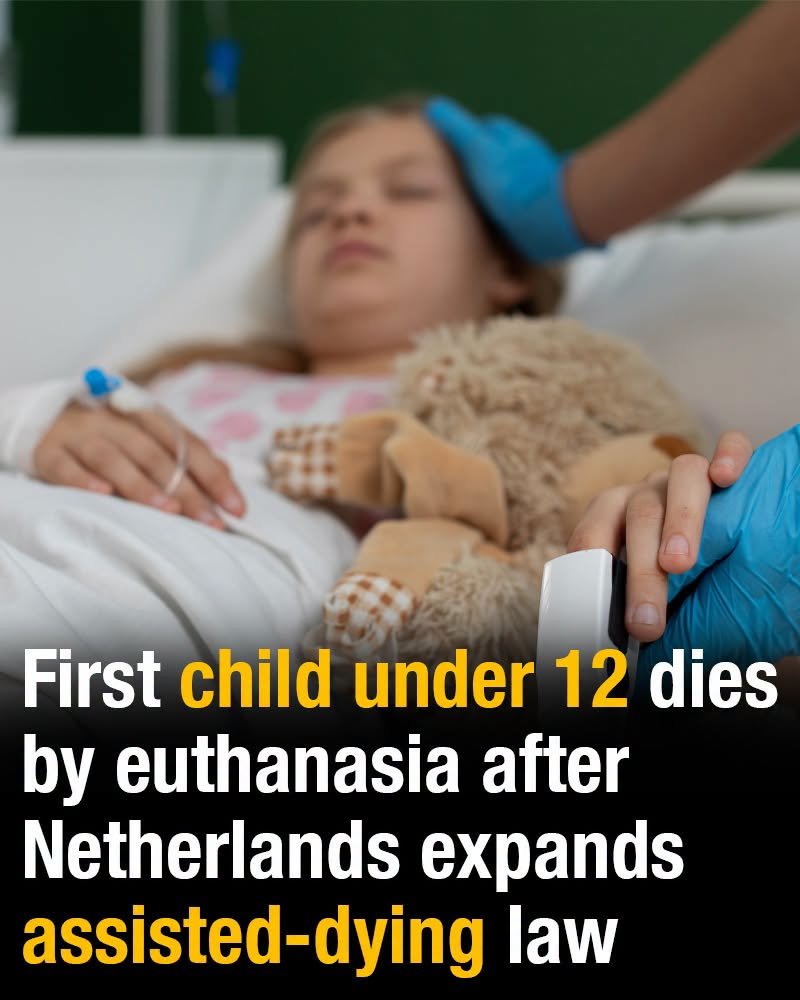
The Netherlands has become first country to report child under 12 dying by euthanasia following expansion of assisted-dying regulations. This case involves terminally ill child experiencing unbearable suffering with no hope of recovery. Dutch Health Minister confirmed the event during annual review of late-term abortions and assisted deaths involving minors. The development has reignited global debate about ethics of euthanasia for children and appropriate boundaries for end-of-life decisions.
New regulations allow euthanasia for children between ages 1 and 12 in extremely limited circumstances. Strict criteria require terminal illness with severe persistent suffering unresponsive to medical treatments or palliative care. Physicians must consult with parents and involve child when possible in decision-making process. Independent committee reviews each case ensuring compliance with legal and medical standards.
Supporters argue policy provides compassion for families facing unimaginable situations with no alternatives. Critics raise ethical concerns about assisted dying for minors regardless of circumstances. International observers watch closely as other countries consider similar expansions or restrictions. This case represents significant milestone in implementation of revised Dutch framework.
Process involves multiple safeguards including medical specialists, legal experts, and ethicists. Review panels evaluate whether physicians followed accepted standards before approving procedures. Prosecutors determine legal compliance based on committee findings. These measures aim to prevent abuse while addressing genuine cases of extreme suffering.
Broader context includes ongoing global discussions about euthanasia, parental rights, and palliative care options. Netherlands maintains euthanasia remains rare and only considered when all other possibilities exhausted. Public debate continues balancing compassion with ethical considerations about life-ending decisions for children. Different societies reach varying conclusions about appropriate boundaries.
Medical ethics in pediatric care involves complex considerations about quality of life and suffering. Advances in palliative care provide alternatives that reduce need for euthanasia in many cases. However, some conditions remain untreatable with current technology despite best efforts. Individual cases require careful evaluation balancing medical realities with ethical principles.
Family perspectives play central roles in decisions about end-of-life care for children. Parents face unimaginable choices when treatments fail to provide relief. Support systems including counseling and spiritual care help navigate difficult decisions. Professional medical teams provide guidance based on latest evidence and ethical frameworks.
This development highlights importance of continued research into pediatric palliative care and pain management. Improvements in treatment options may reduce circumstances requiring consideration of euthanasia. International collaboration helps share best practices while respecting cultural differences. Ongoing dialogue ensures policies reflect both medical advances and societal values.
Public reaction reflects deep divisions about appropriate limits for assisted dying. Some view expansion as compassionate progress while others see dangerous precedent. Balanced discussion considers individual cases alongside broader implications for vulnerable populations. Democratic societies continue grappling with these fundamental questions about life and death.
Netherlands case will likely influence debates in other jurisdictions considering similar policies. Careful examination of outcomes helps inform future decisions about end-of-life care for minors. Respect for human dignity requires thoughtful approaches balancing suffering relief with protection of vulnerable individuals. As technology and medical understanding evolve, societies must continually reassess ethical frameworks guiding these difficult choices.
Most Popular!
-
 Eggs, Cholesterol, and Timing: What Actually Matters for Most People
-
When a Partner Leaves With More Than a Suitcase: Protecting Yourself From Financial Betrayal
-
When Financial Support Meets Contempt: Recognizing Exploitation Inside a Marriage
-
Why Some Sensory Toys and Household “Hacks” Do Not Belong in the Microwave
-
When Grief Clouds Judgment: Misreading Silence and the Quiet Ways People Show Care
-
When One Partner Does All the Hosting: Recognizing Imbalance Before Resentment Takes Over
-
How Many Holes Are in a T-Shirt? What a Simple Puzzle Reveals About How We See
-
The Quiet Stories Inside Secondhand Objects: When a Thrift-Store Find Carries Someone Else’s History