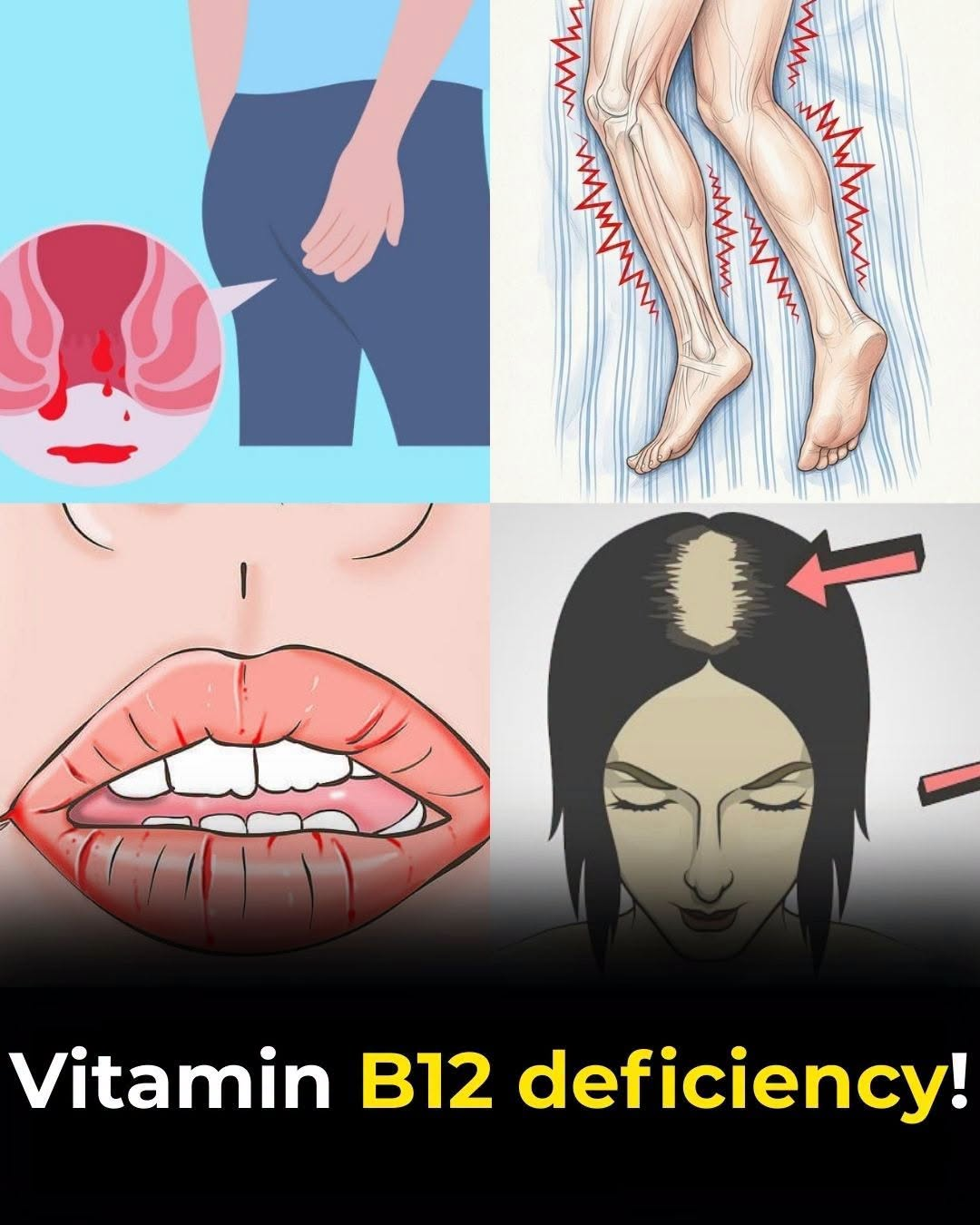
Vitamin B12 deficiency affects millions of people worldwide, often developing gradually with symptoms easily dismissed as normal aging or stress. This essential nutrient plays critical roles in nerve function, red blood cell production, and DNA synthesis. When levels drop too low, the body begins showing subtle warning signs that can progress to serious neurological and cognitive problems if left unaddressed. Recognizing these indicators early allows for timely intervention that prevents long-term damage and restores health.
Persistent brain fog represents one of the most common early signals of B12 deficiency. Individuals experience difficulty concentrating, memory problems, and mental sluggishness that interferes with daily activities. This occurs because B12 helps maintain myelin sheath protecting nerve fibers in the brain. When myelin degrades due to deficiency, nerve signaling slows causing cognitive symptoms. Many people attribute these changes to stress or lack of sleep rather than nutritional causes.
Tingling or “pins and needles” sensations in hands and feet indicate peripheral neuropathy associated with B12 deficiency. This occurs as nerves become damaged from insufficient nutrient support. The sensations may start intermittently but become more frequent and intense as deficiency worsens. Early recognition helps prevent permanent nerve damage through appropriate supplementation and dietary changes.
Crushing fatigue that persists despite adequate rest signals the body’s struggle with oxygen transport due to B12 deficiency. The vitamin is essential for producing healthy red blood cells that carry oxygen throughout the body. When production falters, tissues receive insufficient oxygen causing profound tiredness. This symptom often accompanies other signs creating clearer picture of underlying nutritional problem.
Mood changes including increased anxiety, irritability, and depression frequently accompany B12 deficiency. The vitamin plays important roles in producing neurotransmitters that regulate emotional well-being. Deficiency disrupts these chemical balances leading to psychological symptoms. Many people seek mental health treatment without realizing nutritional factors may contribute significantly to their conditions.
Pale or yellowish skin tone may indicate anemia related to B12 deficiency. The body produces larger, less effective red blood cells when B12 levels are insufficient. This megaloblastic anemia affects oxygen delivery and creates characteristic skin changes. Regular blood tests help identify these issues before they become severe.
Balance problems and clumsiness develop as B12 deficiency affects the nervous system’s coordination centers. Individuals may experience unsteadiness, frequent stumbling, or difficulty with fine motor tasks. These symptoms increase fall risks particularly among older adults. Physical therapy combined with B12 supplementation often improves these neurological issues.
Tongue changes including soreness, smoothness, or swelling known as glossitis provide visible indicators of B12 deficiency. The tongue may appear unusually red and shiny due to papillae atrophy. This symptom often accompanies other oral discomforts and digestive issues. Nutritional correction typically resolves these changes within weeks.
Vision disturbances in advanced B12 deficiency occur when optic nerves become damaged from prolonged deficiency. Blurred vision or other visual changes require prompt medical attention to prevent permanent damage. Regular eye examinations help monitor for these complications in individuals at risk for deficiency.
Vegetarians, vegans, older adults, and people with certain medical conditions face higher risks of B12 deficiency. Regular blood testing helps identify problems before symptoms become severe. Dietary sources include animal products while supplements provide options for those with absorption issues or dietary restrictions. Early intervention prevents most serious complications associated with prolonged deficiency.
Most Popular!
-
 Eggs, Cholesterol, and Timing: What Actually Matters for Most People
-
When a Partner Leaves With More Than a Suitcase: Protecting Yourself From Financial Betrayal
-
When Financial Support Meets Contempt: Recognizing Exploitation Inside a Marriage
-
Why Some Sensory Toys and Household “Hacks” Do Not Belong in the Microwave
-
When Grief Clouds Judgment: Misreading Silence and the Quiet Ways People Show Care
-
When One Partner Does All the Hosting: Recognizing Imbalance Before Resentment Takes Over
-
How Many Holes Are in a T-Shirt? What a Simple Puzzle Reveals About How We See
-
The Quiet Stories Inside Secondhand Objects: When a Thrift-Store Find Carries Someone Else’s History