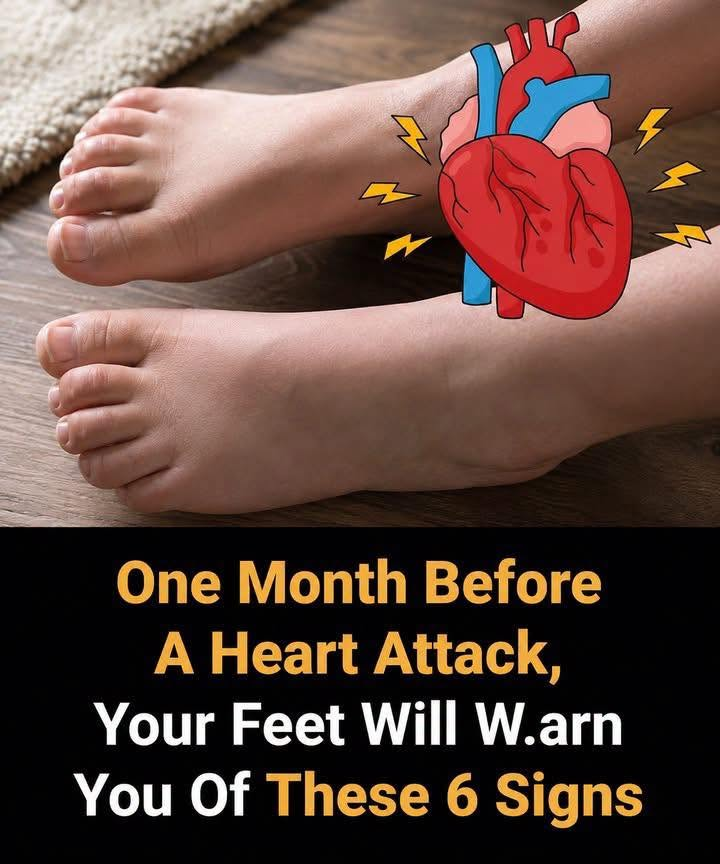
Heart attacks remain leading cause of death worldwide, yet many people fail to recognize early warning signs that could mean difference between life and death. Understanding these critical symptoms empowers individuals to seek immediate medical attention when every minute counts. While Hollywood often portrays heart attacks as dramatic chest-clutching events, reality frequently involves more subtle indicators that can be easily dismissed as minor discomfort or unrelated issues. Recognizing these warning signs and acting quickly can dramatically improve survival rates and reduce long-term damage to heart muscle.
Chest discomfort or pain represents most commonly recognized symptom, but its presentation varies significantly between individuals. Some experience intense pressure or squeezing sensation while others feel more subtle discomfort that might be mistaken for indigestion or muscle strain. Pain can radiate to arms, neck, jaw, or back, creating confusion about its origin. Importantly, not all heart attacks produce severe chest pain, particularly among women, elderly individuals, and people with diabetes who may experience atypical symptoms. Any unexplained chest discomfort lasting more than few minutes warrants immediate medical evaluation rather than waiting to see if it resolves.
Shortness of breath often accompanies or even precedes chest discomfort during heart attacks. This sensation can occur with or without physical exertion and may feel like difficulty catching breath or unexplained fatigue. The body struggles to receive adequate oxygen when heart function becomes compromised, triggering respiratory distress that serves as important warning signal. People sometimes attribute this symptom to anxiety, asthma, or general tiredness, delaying critical intervention. Any sudden or unexplained breathing difficulty, especially when combined with other symptoms, requires prompt medical attention.
Cold sweats, nausea, or lightheadedness frequently occur as body responds to cardiac stress and reduced blood flow. Breaking into cold sweat without obvious cause can signal serious cardiovascular event rather than simple overheating or nervousness. Nausea or vomiting might be mistaken for stomach bug while dizziness or sudden weakness could be attributed to dehydration or low blood sugar. These systemic symptoms often appear alongside chest discomfort but can sometimes manifest as primary indicators, particularly in women and older adults. Recognizing patterns rather than isolated symptoms helps identify potential heart attacks more accurately.
Unusual fatigue or sudden weakness represents another important warning sign that deserves attention, especially when it seems disproportionate to recent activity levels. Many people report overwhelming tiredness in days leading up to heart attack or during actual event itself. This exhaustion differs from normal end-of-day fatigue and may feel like complete lack of energy that prevents normal functioning. Women particularly tend to experience this symptom more prominently than classic chest pain, making awareness especially important for female patients and their loved ones.
Pain or discomfort in areas other than chest provides additional clues that heart attack might be occurring. Jaw pain, particularly when accompanied by other symptoms, can indicate cardiac issues rather than dental problems. Arm pain, especially on left side but potentially affecting either or both, often radiates from chest during heart events. Back pain between shoulder blades or in upper abdomen sometimes occurs as referred pain from heart. Understanding these atypical presentations helps prevent misdiagnosis and delayed treatment that can have serious consequences.
Risk factors that increase likelihood of heart attack include high blood pressure, high cholesterol, diabetes, smoking, obesity, and family history of cardiovascular disease. Age and gender also influence probability and typical symptom presentation. Regular medical check-ups and lifestyle modifications help reduce personal risk while increasing awareness of warning signs. People with multiple risk factors should maintain particularly vigilant attention to any unusual symptoms and maintain open communication with healthcare providers about family history and personal concerns.
Acting quickly when heart attack symptoms appear can mean difference between successful treatment and permanent heart damage or death. Calling emergency services immediately rather than driving to hospital or waiting to see if symptoms improve represents best course of action. Chewing aspirin, if not contraindicated, may help while waiting for professional medical assistance. Understanding personal risk factors and maintaining healthy lifestyle provides best defense against cardiovascular events while preparing individuals to recognize and respond appropriately when warning signs do appear.
Heart attack warning signs deserve serious attention rather than dismissal as minor discomfort or temporary issues. Recognizing atypical presentations and understanding importance of rapid response can save lives and reduce long-term complications from cardiac events. Regular medical care, healthy lifestyle choices, and awareness of personal risk factors work together to minimize likelihood of heart attacks while preparing individuals to act decisively if symptoms do occur. Taking chest discomfort, shortness of breath, and other warning signs seriously represents responsible approach to personal health that could prove life-saving. The time between symptom onset and treatment remains critical factor in determining outcomes, making prompt recognition and response essential for anyone experiencing potential heart attack indicators.
Most Popular!
-
 Eggs, Cholesterol, and Timing: What Actually Matters for Most People
-
When a Partner Leaves With More Than a Suitcase: Protecting Yourself From Financial Betrayal
-
When Financial Support Meets Contempt: Recognizing Exploitation Inside a Marriage
-
Why Some Sensory Toys and Household “Hacks” Do Not Belong in the Microwave
-
When Grief Clouds Judgment: Misreading Silence and the Quiet Ways People Show Care
-
When One Partner Does All the Hosting: Recognizing Imbalance Before Resentment Takes Over
-
How Many Holes Are in a T-Shirt? What a Simple Puzzle Reveals About How We See
-
The Quiet Stories Inside Secondhand Objects: When a Thrift-Store Find Carries Someone Else’s History