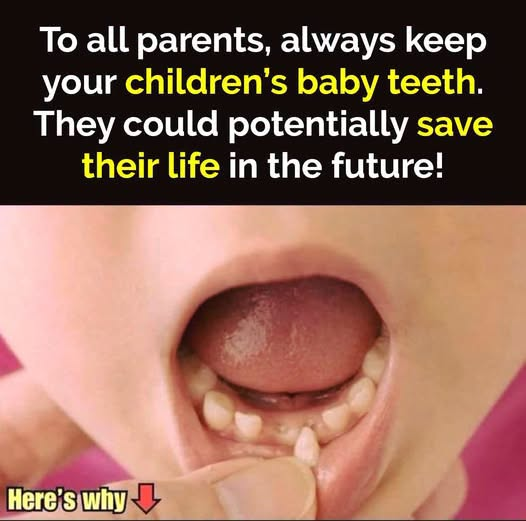
Losing baby teeth marks exciting milestone for children, but what many parents don’t realize is that those tiny teeth contain incredible medical potential that could benefit their child’s health years down the road. Stem cells found within baby teeth offer promising possibilities for regenerative medicine and personalized treatments that researchers continue exploring with growing excitement. Banking these cells represents proactive step parents can take to preserve unique biological resource unique to their child. Understanding this potential helps families make informed decisions about preserving what might otherwise be discarded as simple childhood memory.
Baby teeth contain mesenchymal stem cells in their dental pulp that possess remarkable ability to develop into various cell types. Unlike some other stem cell sources, these cells are relatively easy to collect without invasive procedures and show strong potential for regenerating different tissues. Research indicates applications ranging from dental repair to treating neurological conditions and even certain systemic diseases. The non-controversial nature of dental stem cells makes them attractive option for both researchers and families considering future medical possibilities. Advances in stem cell therapy continue expanding potential uses for these valuable cells.
The collection process for banking baby teeth is straightforward and can be done when teeth fall out naturally. Specialized kits allow parents to properly preserve teeth immediately after they come out, ensuring stem cell viability for long-term storage. Professional banking services handle processing and cryopreservation using advanced techniques that maintain cell quality over extended periods. While not every family chooses this option due to costs or awareness levels, those who do gain peace of mind knowing they have preserved biological insurance policy of sorts for their child’s future health needs.
Medical experts highlight several potential applications that make baby teeth stem cell banking worth considering. Regenerative dentistry represents most immediate possibility, where these cells could help repair or regrow damaged teeth and supporting structures. Broader therapeutic potential includes treatments for spinal cord injuries, diabetes, and various neurological conditions where cell regeneration offers hope for improved outcomes. While many applications remain in research phases, ongoing clinical trials suggest growing viability for real-world use in coming years. Early collection maximizes potential since younger cells tend to be more robust.
Parents often weigh practical considerations when deciding whether to bank their child’s baby teeth. Cost, family medical history, and personal comfort with emerging medical technologies influence individual choices. Consultation with pediatricians or regenerative medicine specialists can provide personalized guidance based on specific family circumstances and risk factors. As awareness grows and technology advances, more families explore this option as part of comprehensive approach to long-term health planning. The decision represents investment in potential future treatments rather than immediate necessity.
Beyond individual family benefits, widespread participation in baby teeth stem cell banking could accelerate broader medical research. Larger sample collections enable scientists to study variations across populations and refine techniques for wider applications. This collective contribution might speed development of treatments benefiting many people rather than isolated cases. Public and private partnerships continue expanding access and improving affordability, making practice more inclusive over time. Educational efforts help demystify science and empower families with accurate information for making informed decisions.
Ethical considerations receive careful attention in context of dental pulp stem cells. Unlike embryonic sources, these cells come from naturally shed teeth and raise fewer moral concerns for many people. Regulatory frameworks ensure responsible collection, storage, and eventual use while protecting donor privacy and rights. Transparency in banking processes builds trust among participating families and supports ethical advancement of regenerative medicine. As field evolves, ongoing dialogue between scientists, ethicists, and public helps navigate complex questions responsibly.
The remarkable potential hidden within something as ordinary as baby teeth offers parents unprecedented opportunity to contribute to their children’s long-term well-being through simple action. While not every preserved tooth will lead to dramatic medical breakthrough, possibility exists for meaningful differences in health outcomes down the road. As science progresses, more parents may choose to save this valuable resource, contributing to both personal family health security and broader medical advancement. The decision to preserve baby teeth represents forward-thinking parenting that values innovation alongside tradition in caring for next generation’s future. What seems like simple childhood milestone actually offers bridge to cutting-edge medicine and personalized care possibilities that could transform healthcare landscape in years ahead.
Most Popular!
-
 Eggs, Cholesterol, and Timing: What Actually Matters for Most People
-
When a Partner Leaves With More Than a Suitcase: Protecting Yourself From Financial Betrayal
-
When Financial Support Meets Contempt: Recognizing Exploitation Inside a Marriage
-
Why Some Sensory Toys and Household “Hacks” Do Not Belong in the Microwave
-
When Grief Clouds Judgment: Misreading Silence and the Quiet Ways People Show Care
-
When One Partner Does All the Hosting: Recognizing Imbalance Before Resentment Takes Over
-
How Many Holes Are in a T-Shirt? What a Simple Puzzle Reveals About How We See
-
The Quiet Stories Inside Secondhand Objects: When a Thrift-Store Find Carries Someone Else’s History