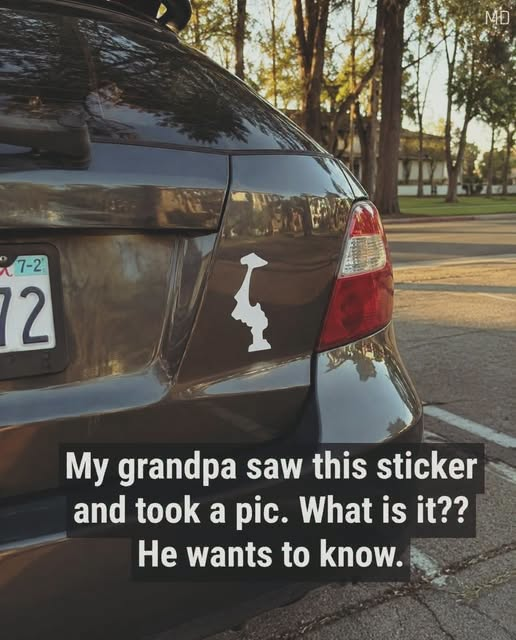
A growing number of drivers across the country have adopted the practice of displaying their state decals upside down on their vehicles, sparking curiosity and conversation among fellow motorists. This seemingly simple act has become increasingly common on highways and in parking lots, leading many to wonder about its origins and significance. What began as occasional sightings has evolved into noticeable trend that reflects deeper sentiments about regional identity, political expression, and personal statements in everyday life. Understanding the reasons behind this practice reveals interesting insights into how people use small symbols to communicate larger messages.
The upside-down decal trend often stems from protest or dissatisfaction with state policies, leadership, or cultural shifts that residents find concerning. Displaying official symbols inverted traditionally signals distress or disagreement in various contexts, from maritime flags to military insignia. Motorists have adapted this symbolic language to express frustration with taxation, regulations, social issues, or governance decisions they oppose. The vehicle becomes moving billboard that communicates discontent to others sharing the road while maintaining plausible deniability since inverted decals could theoretically result from simple mistakes or cleaning oversights.
Regional differences play significant roles in how this trend manifests across various states. Some areas show higher concentrations of inverted decals due to specific local controversies or political climates that fuel resident dissatisfaction. Rural communities might use them to signal opposition to urban-focused policies while urban drivers express frustration with statewide regulations affecting city life. The practice transcends traditional political lines as people from different backgrounds find common ground in using this subtle form of protest. Social media platforms have helped spread awareness and techniques for properly displaying inverted symbols while avoiding legal issues.
Legal considerations surrounding altered state decals vary by jurisdiction, creating gray areas that drivers navigate carefully. Most states require visible display of registration information but don’t explicitly address orientation of stickers or emblems. However, law enforcement officers sometimes interpret inverted symbols as potential indicators of other issues or simply request corrections during routine stops. Understanding local regulations helps enthusiasts participate in this trend responsibly while avoiding unnecessary complications or citations that could arise from misinterpretation.
Psychological aspects of this behavior reflect broader human tendencies to use symbols for expressing identity and dissent when direct communication feels ineffective or risky. Small acts of rebellion provide sense of agency and connection with others sharing similar frustrations without requiring organized activism or public confrontation. The trend creates subtle community among drivers who recognize the inverted symbols as shared language of discontent. This form of expression allows people to maintain daily routines while quietly signaling alignment with certain viewpoints or dissatisfaction with status quo.
Cultural significance of state symbols adds layers of meaning to their inversion that resonates differently with various observers. For some, flipping official emblems represents rejection of authority or protest against perceived failures in governance. Others view the practice as harmless personal expression or creative customization that doesn’t warrant serious concern. The diversity of interpretations contributes to ongoing conversations about free speech, civic engagement, and appropriate boundaries for political expression in public spaces including roadways shared by all citizens.
Automotive enthusiasts and customization communities have embraced inverted decals as part of broader vehicle personalization trends that allow self-expression through various modifications. Online forums and social media groups share techniques, designs, and discussions about meaning behind specific inversions. This creative aspect transforms simple protest into artistic statement that combines functionality with personal messaging. The trend demonstrates how everyday objects become vehicles for larger cultural conversations about identity, politics, and individual agency in modern society.
As this practice continues gaining visibility, it sparks important discussions about civic engagement, freedom of expression, and evolving forms of protest in digital age. Whether viewed as meaningful dissent or simple attention-seeking behavior, inverted state decals have become notable feature of contemporary road culture that invites reflection on relationship between citizens and governing institutions. The trend serves as reminder that small acts can carry significant symbolic weight when they tap into widely shared sentiments or frustrations within communities. Understanding context behind these visual statements enriches appreciation for complex ways people communicate values and concerns in daily life.
The rising popularity of upside-down state decals reflects deeper currents in American society about identity, governance, and individual expression through personal choices. As more drivers adopt this practice, it continues evolving from simple observation into cultural phenomenon that captures attention and sparks conversation about important issues affecting communities nationwide. Whether temporary trend or lasting form of expression, these inverted symbols have successfully drawn public awareness to underlying concerns that might otherwise remain unspoken in conventional political discourse. Their presence on roadways serves as rolling reminder that citizen voices find creative ways to be heard even in routine aspects of daily life.
Most Popular!
-
 Eggs, Cholesterol, and Timing: What Actually Matters for Most People
-
When a Partner Leaves With More Than a Suitcase: Protecting Yourself From Financial Betrayal
-
When Financial Support Meets Contempt: Recognizing Exploitation Inside a Marriage
-
Why Some Sensory Toys and Household “Hacks” Do Not Belong in the Microwave
-
When Grief Clouds Judgment: Misreading Silence and the Quiet Ways People Show Care
-
When One Partner Does All the Hosting: Recognizing Imbalance Before Resentment Takes Over
-
How Many Holes Are in a T-Shirt? What a Simple Puzzle Reveals About How We See
-
The Quiet Stories Inside Secondhand Objects: When a Thrift-Store Find Carries Someone Else’s History