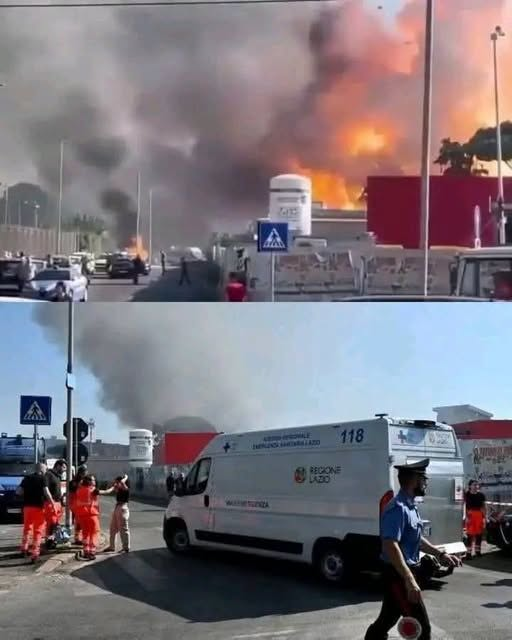
On a seemingly normal morning in one of the world’s largest cities, routine turned to horror when a massive LPG tanker truck overturned and exploded on a bustling highway in Mexico City. The blast tore through the Iztapalapa-Chalco corridor, engulfing vehicles in flames, sending thick black smoke billowing across the skyline, and leaving families shattered in its wake. This wasn’t just another traffic accident—it was a catastrophic reminder of how fragile our daily commutes can become when hazardous materials travel alongside everyday drivers in densely populated urban areas. The explosion highlighted vulnerabilities in infrastructure, transportation regulations, and emergency preparedness that many cities around the globe still grapple with today.
As the sun rose over Mexico City’s eastern districts, thousands of commuters were navigating the usual gridlock on the vital highway connecting Iztapalapa to Chalco. Suddenly, chaos erupted. The tanker, carrying tens of thousands of liters of liquefied petroleum gas, lost control, possibly due to speed, a sharp curve, or mechanical issues. What followed was a fireball so intense it could be felt for miles. Drivers abandoned cars and fled on foot as flames spread rapidly, consuming dozens of vehicles in a scene that eyewitnesses compared to a war zone. The roar of the explosion shook nearby buildings, while the shockwave rattled windows and sent debris flying. In those terrifying moments, survival depended on quick thinking and sheer luck.
The human cost was devastating. Reports confirmed multiple fatalities at the scene, with the death toll climbing as severely burned victims succumbed to their injuries in overwhelmed hospitals. Dozens more suffered life-altering burns, smoke inhalation, and trauma, filling emergency rooms across the capital. Families gathered anxiously outside medical facilities, clutching phones and hoping for updates on loved ones who had simply been heading to work or school that morning. Medical teams worked around the clock, but the surge in critical burn cases stretched resources thin, revealing gaps in the city’s disaster response capabilities. This tragedy didn’t just claim lives—it left a community grappling with profound loss and uncertainty about the future.
Beyond the immediate casualties, the physical destruction painted a grim picture. The highway interchange became a blackened scar, with charred wreckage littering the lanes and nearby structures damaged by the blast’s force. Residents in surrounding neighborhoods reported feeling the ground tremble like an earthquake, underscoring the sheer power of an LPG explosion in confined urban spaces. Businesses closed, traffic rerouted for days, and the psychological impact lingered long after the flames were extinguished. For locals already navigating Mexico City’s notorious congestion and pollution challenges, this event added a new layer of fear to their daily routines.
What makes this disaster particularly alarming is how preventable it feels in hindsight. Investigations pointed to potential factors like excessive speed on a curve, inadequate vehicle maintenance, or lapses in oversight for vehicles hauling dangerous cargo through populated zones. Similar incidents have occurred in other major cities worldwide, from fuel truck crashes in India to chemical spills in Europe, each time sparking debates about balancing economic needs with public safety. In Mexico City, a metropolis of over 20 million people, the pressure on aging infrastructure is immense, and transporting volatile materials like LPG—essential for cooking and heating in many households—adds constant risk when routes cut through residential and commercial heartlands.
This explosion has ignited public outrage and calls for systemic change. Activists and safety experts are urging authorities to rethink hazardous material transport policies, including stricter routing away from high-density areas, more frequent vehicle inspections, advanced driver training, and real-time monitoring technologies. Some suggest investing in safer alternatives like pipelines or rail for bulk fuel transport where feasible. The incident also raises questions about enforcement: Were proper permits in place? Was the tanker overloaded or poorly maintained? These are uncomfortable but necessary conversations if cities want to avoid repeating history.
Looking at the broader context, Mexico City isn’t alone in facing these threats. Rapid urbanization worldwide has led to more vehicles sharing roads with industrial haulers, increasing the odds of catastrophe. Countries like Brazil and China have seen comparable tanker explosions in recent years, often resulting in tightened regulations afterward. Lessons from those events could guide Mexico—implementing better traffic calming measures on curves, upgrading overpasses for heavier loads, and enhancing public awareness campaigns about what to do in a hazmat emergency. Communities deserve transparency, and governments must prioritize prevention over reaction.
For everyday drivers, the event serves as a sobering wake-up call about personal preparedness. Keeping a safe following distance, knowing escape routes on familiar roads, and carrying basic emergency kits can make a difference in split-second situations. Parents teaching teens about defensive driving, businesses reviewing supply chain safety, and city planners incorporating risk assessments into infrastructure projects—all these steps build resilience. While no one can eliminate every risk, collective vigilance reduces the chances of turning a commute into a tragedy.
In the days following the blast, candlelight vigils and floral tributes appeared along the affected stretch of highway, transforming a site of horror into a place of remembrance. Survivors shared stories of helping strangers escape the flames, highlighting human solidarity amid devastation. Yet the mourning is mixed with frustration—why did it take such a loss to spotlight these issues? As investigations continue and reforms are debated, the hope is that this painful chapter leads to meaningful improvements, ensuring that future generations travel these roads with greater security.
The Mexico City tanker explosion stands as a stark illustration of modern urban challenges: balancing growth, commerce, and safety in an interconnected world. It reminds us that behind every statistic are real people—fathers, mothers, students, workers—whose lives were upended in an instant. While the city begins to heal and rebuild, the conversation about safer transportation must persist. By learning from this disaster, implementing smarter policies, and fostering community awareness, we can work toward preventing similar heartbreaks elsewhere. Life in a megacity will always carry complexities, but with thoughtful action, we can make the daily journey a little less perilous for everyone sharing the road.
Most Popular!
-
 Pioneering Actor and Comedian Tom Dreesen Has Passed Away, Leaving Behind a Legacy in Entertainment and Stand-Up Comedy
-
Barack Obama’s Reaction Spoke Volumes When Michelle Surprised Him with a Heartfelt and Deeply Touching Tribute
-
Donald Trump Draws Attention During Group Photo at the G7 Summit, Sparking Hilarious Reactions Worldwide
-
The Hidden Risks in Your Bathroom Routine You Might Not Be Aware Of
-
The Green Light Phenomenon: What Might Be Causing These Unusual Flashing Lights
-
Your Child’s Baby Teeth Could Hold Valuable Medical Potential for the Future
-
Carol Vorderman Shows Off Her Toned Physique During Latest Appearance, Inspiring Fans Across Generations
-
Jungle Pam Hardy: The Legendary Figure from Drag Racing History Who Redefined the Sport