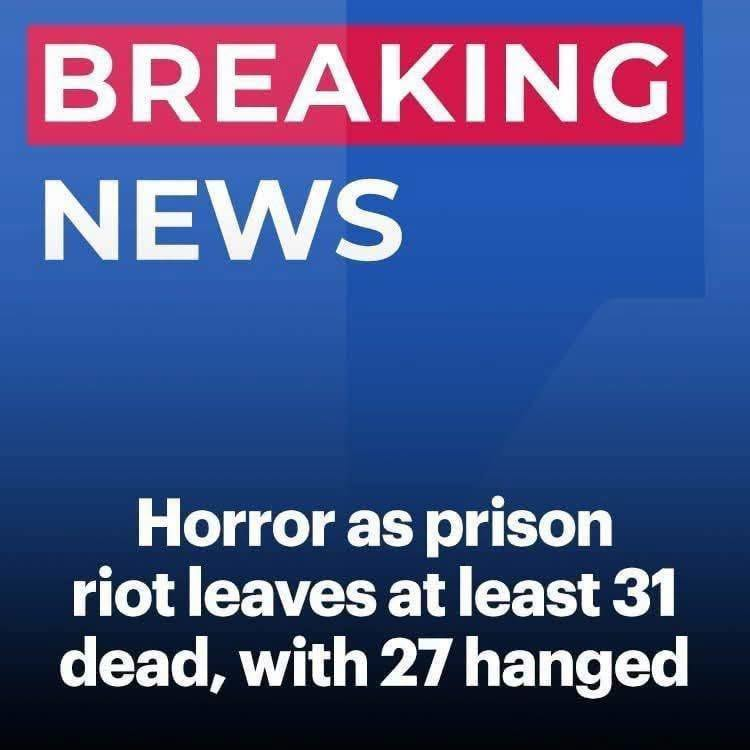
In the early hours of a Sunday morning in November 2025, the Machala Detention Center in Ecuador’s El Oro province erupted into chaos. What began as a clash between rival gang members quickly escalated into one of the deadliest prison incidents in the country’s recent history. By the time authorities regained control, 31 inmates were dead — some killed in the initial violence, many others found hanged in a coordinated act that shocked even seasoned prison officials. The Machala massacre wasn’t just another episode of prison unrest. It was a brutal reminder of how gang influence, overcrowding, and systemic failures continue to turn correctional facilities into battlegrounds where human lives are treated as disposable.
Ecuador has been grappling with a surge in prison violence for years, driven largely by powerful drug trafficking organizations fighting for control both inside and outside prison walls. The Machala facility, like many others in the country, had seen previous outbreaks of violence. Just weeks earlier, another confrontation at the same prison had left multiple people dead. These incidents are symptoms of deeper problems: severe overcrowding, understaffing, insufficient rehabilitation programs, and the unchecked influence of organized crime within the prison system. Inmates aligned with different cartels essentially run parallel power structures, enforcing their own rules and settling scores with ruthless efficiency.
The events of that November morning began with a dispute between members of two major criminal factions. What started as verbal threats quickly escalated into armed conflict. Four inmates were killed during the initial clashes, and over thirty others were injured, including a prison guard. Hours later, security forces discovered the bodies of twenty-seven more inmates who had been hanged in a coordinated attack on the third floor of the facility. The brutality of the scene left investigators and first responders shaken. Many of the victims had been targeted specifically, suggesting the violence was not random chaos but a calculated power move within the prison’s criminal hierarchy.
The human cost of such violence extends far beyond the prison walls. Families of the victims are left grieving without clear answers or justice. Many inmates in Ecuadorian prisons come from vulnerable backgrounds — young men drawn into gang life by poverty, lack of opportunity, and systemic inequality. While their crimes cannot be excused, their deaths in such horrific circumstances highlight the failure of the system meant to rehabilitate and protect society. Prisons should be places of correction and safety, not battlegrounds where the most vulnerable are executed by the very criminal networks they were supposed to be separated from.
Government officials responded with the usual promises of investigation and reform. Special units were deployed, and transfers of high-risk inmates were announced. But Ecuadorians have heard these commitments before. Previous massacres in other facilities led to similar vows, yet the underlying problems — corruption, overcrowding, and insufficient resources — persist. Meaningful change requires more than reactive measures. It demands comprehensive prison reform, investment in rehabilitation programs, stronger anti-gang initiatives, and addressing the root causes that drive young people into criminal organizations in the first place.
The international community has taken notice. Human rights organizations have called for independent investigations into the Machala incident and broader conditions in Ecuadorian prisons. The pattern of mass violence raises serious concerns about state responsibility and the right to humane treatment even for those who have committed crimes. For the families of the victims, these calls for accountability offer a small measure of hope that their loved ones’ deaths might lead to systemic improvements rather than being forgotten as another statistic.
Beyond the immediate horror, the Machala massacre forces uncomfortable conversations about justice, punishment, and rehabilitation. When prisons become places where the strong prey on the weak with impunity, society fails on multiple levels. The goal of incarceration should be public safety and offender rehabilitation, not creating environments where violence escalates unchecked. Ecuador, like many countries facing similar challenges, must find a balance between security and humanity in its correctional system.
For those directly affected — the families mourning lost sons, brothers, and fathers — the pain is unimaginable. Many victims were themselves products of the same systemic failures that allowed the violence to occur. Breaking this cycle requires addressing not just prison conditions but the broader social issues that fill these facilities year after year. Education, economic opportunity, and community support programs can be powerful preventatives against the gang recruitment that leads so many young men down this path.
The events in Machala serve as a sobering reminder that behind prison walls are human beings — flawed, complex, and deserving of basic dignity even in confinement. The brutality of their deaths should shock us into demanding better systems, better oversight, and better solutions to the problems that create and sustain such violence. No society benefits from turning its prisons into killing fields, regardless of the crimes committed by those inside.
As investigations continue and calls for reform grow louder, the victims of the Machala massacre deserve more than headlines and temporary outrage. They deserve a commitment to preventing similar tragedies in the future. Their deaths highlight the urgent need for comprehensive prison reform across Latin America and beyond. Until governments address the root causes — overcrowding, corruption, lack of rehabilitation, and unchecked gang power — these nightmares will continue to repeat.
The Machala prison riot was not an isolated incident. It was the latest chapter in a long story of systemic failure that turns facilities meant for justice into places of horror. The 31 lives lost there deserve to be remembered not just as statistics or gang members, but as human beings whose deaths should force meaningful change. Only then can we hope to prevent the next massacre and create prison systems that actually serve their intended purpose — protecting society while offering a path toward rehabilitation and redemption for those willing to take it. The silent halls of Machala now carry the weight of those lost lives. It’s up to all of us to ensure their deaths were not in vain.
Most Popular!
-
 The Secret Wedding of the Century: Ryan Seacrest’s Shocking Engagement Reveal That Has Hollywood Trembling
-
The Secret Language of Your Cat: Why That Persistent Head Butt Might Actually Be a Life-Altering Declaration
-
The Million-Dollar Secret: My Ex-Fiancé’s Mother Sabotaged My Life But a 20-Year-Old Trust Proved She Didn’t Own My Future
-
The House Stealing Trap: My Husband and Mother-in-Law Thought I Was Their Perfect Mark Until I Revealed My Secret
-
The Unforgivable Betrayal: Why This Father’s Choice to End His Own Son’s Life Has Destroyed a Community
-
The Great Erasure: Brad Pitt’s Worst Nightmare Comes True as His Last Son Finally Abandons the Family Name
-
The Final Curtain Call: The Heartbreaking Truth Behind Daytime TV Legend Phil Donahue’s Passing
-
The Silent Killer on Your Breakfast Table: Are You Eating Your Way to a Diabetic Crisis?