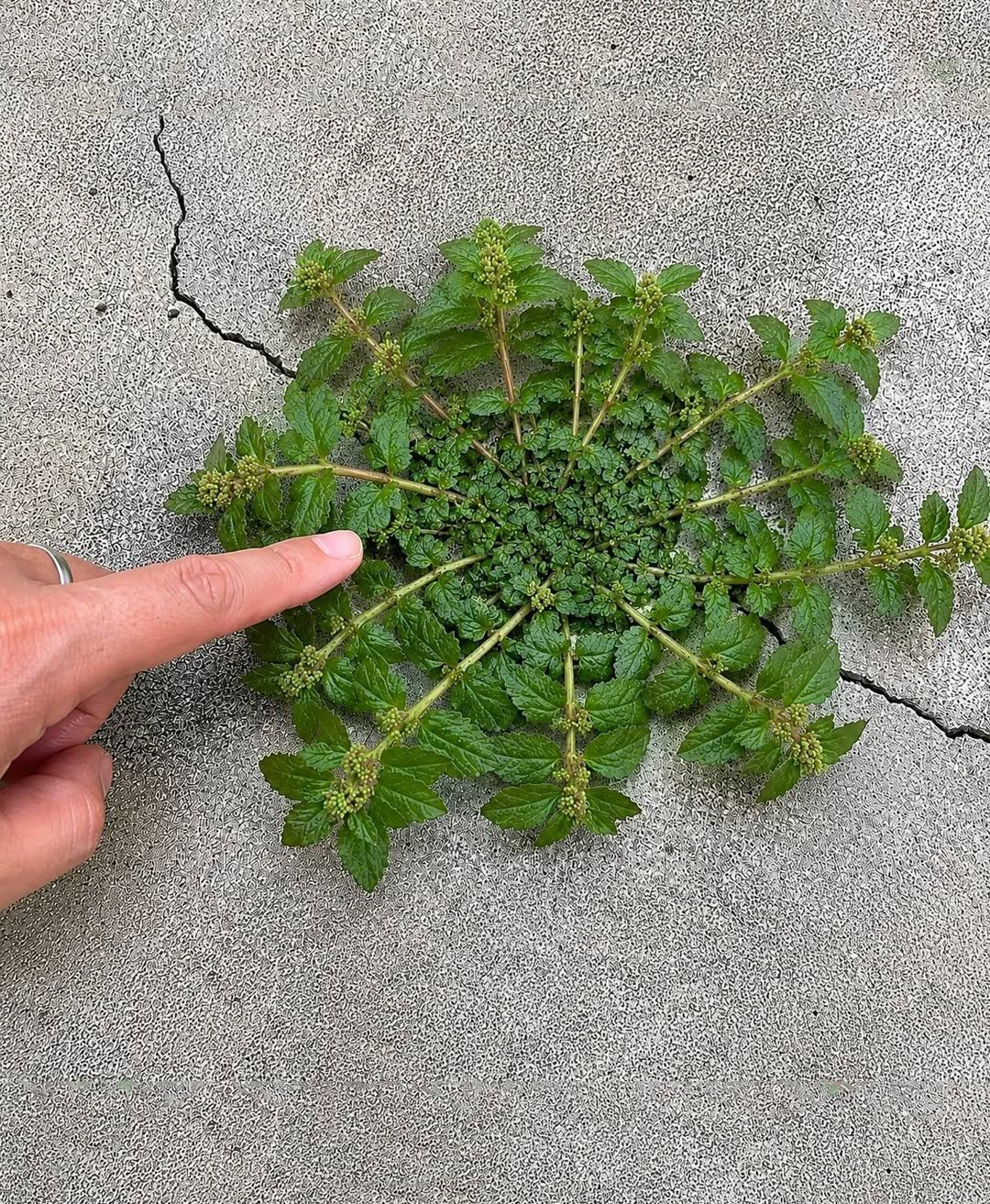
You’ve probably spent countless weekends pulling, spraying, or cursing at the stubborn green invaders taking over your lawn. To most homeowners, they’re nothing more than an eyesore — a sign of neglect that needs to be eliminated at all costs. But what if one of those “weeds” was actually one of nature’s most powerful allies, packed with nutrients, healing compounds, and practical uses that far outweigh its humble appearance? Dandelions, often dismissed as backyard pests, have earned the nickname “miracle weed” among herbalists, foragers, and health enthusiasts for good reason. Far from being worthless, this common plant offers a treasure trove of benefits that could transform how you view your yard — and your health.
Dandelions have been used for thousands of years across cultures as both food and medicine. Ancient Egyptians, Greeks, and Chinese healers recognized their value long before modern science confirmed what they already knew through observation and tradition. Every part of the plant — roots, leaves, flowers, and even the stem — serves a purpose. The leaves are rich in vitamins A, C, and K, as well as minerals like iron, calcium, and potassium. They act as a gentle diuretic, helping the body eliminate excess fluid and support kidney function without the harsh effects of pharmaceutical alternatives. Many people struggling with water retention or mild bloating find relief after incorporating dandelion leaf tea or salads into their routine.
The roots contain compounds that support liver health and digestion. Roasted dandelion root makes an excellent caffeine-free coffee alternative with a rich, earthy flavor that many people prefer once they adjust to it. The bitter taste stimulates bile production, aiding fat digestion and helping the liver process toxins more efficiently. Traditional herbalists often recommend dandelion root for people dealing with sluggish digestion, skin issues, or general fatigue — conditions that respond well to gentle liver support. The flowers, often overlooked, provide antioxidants and can be turned into wine, jelly, or infused oils for skin care. Even the milky sap has been used topically for wart removal and skin irritations in folk medicine.
Beyond nutrition, dandelions offer surprising practical benefits around the home and garden. Their deep taproots break up compacted soil, bringing nutrients from lower layers to the surface and improving conditions for neighboring plants. They attract pollinators like bees and butterflies when allowed to flower, supporting local ecosystems. For foragers and home cooks, they represent free, abundant food that requires no special growing conditions. A single dandelion plant can produce hundreds of seeds, ensuring a reliable harvest year after year if you learn to work with rather than against nature.
Preparing dandelions for consumption is simpler than many expect. Young leaves harvested in early spring offer the mildest flavor, perfect for fresh salads or sautéed like spinach. Older leaves can be blanched or cooked to reduce bitterness. The roots should be harvested in fall when their medicinal compounds are most concentrated, then cleaned, dried, and roasted for tea or coffee substitutes. Flowers can be harvested on sunny days when fully open and used immediately for the best flavor and potency. Always ensure you’re harvesting from areas free of pesticides, chemical fertilizers, or heavy traffic — your own backyard is often the safest bet once you stop treating dandelions as enemies.
For those dealing with specific health concerns, dandelions show particular promise. Their natural diuretic properties make them useful for mild hypertension and edema when used appropriately. The high potassium content helps maintain electrolyte balance, unlike many pharmaceutical diuretics that deplete this important mineral. Some studies suggest dandelion extracts may help regulate blood sugar, making them interesting for people managing diabetes or insulin resistance. Their anti-inflammatory effects could benefit those with arthritis or general joint discomfort. Of course, these uses should complement rather than replace professional medical care, especially for serious conditions.
The environmental case for embracing dandelions is equally compelling. Traditional lawn care often involves heavy use of herbicides and excessive watering to maintain perfect green carpets. Allowing dandelions to grow reduces chemical dependency, supports biodiversity, and creates a more resilient yard. Many eco-conscious gardeners now practice “lazy lawn” approaches, letting beneficial weeds like dandelions, clover, and plantain coexist with grass. The result is a lower-maintenance space that supports pollinators and provides free resources for the household.
Safety considerations matter when incorporating wild plants into your diet or medicine cabinet. While dandelions are generally recognized as safe for most people, those with ragweed allergies should exercise caution due to potential cross-reactivity. Pregnant or breastfeeding women should consult healthcare providers before using dandelion medicinally. Starting with small amounts allows you to gauge your body’s response. Harvesting from clean areas and properly identifying the plant prevents accidental consumption of look-alikes or contaminated specimens.
The cultural shift toward appreciating dandelions reflects broader changes in how we view our relationship with nature. For too long, we’ve treated yards as sterile showpieces rather than productive ecosystems. Learning to see value in plants once considered enemies represents a return to more sustainable, resourceful living. Homeowners who embrace dandelions often report greater satisfaction with their outdoor spaces, finding joy in harvesting free food and medicine rather than spending money and time fighting against nature.
For parents, dandelions offer wonderful opportunities to teach children about nature’s generosity. Taking kids on “weed walks” to identify and harvest dandelions turns ordinary chores into educational adventures. Making dandelion tea, fritters, or salves together creates lasting memories while instilling respect for the natural world. Many children who grow up learning these skills develop healthier relationships with food and greater confidence in their ability to care for themselves and their environment.
The next time you see those bright yellow flowers dotting your lawn, consider pausing before reaching for the weed killer. That “menace” might be offering you free nutrition, gentle medicine, and a chance to reconnect with traditional wisdom. Dandelions remind us that nature rarely wastes anything — what we dismiss as worthless often holds surprising value once we learn to see it differently. Your backyard could be hiding a treasure trove of health benefits, ready to be harvested with nothing more than curiosity and respect.
Embracing dandelions doesn’t mean letting your yard become completely overgrown. Thoughtful management allows you to enjoy their benefits while maintaining an attractive outdoor space. Designate specific areas for harvesting while keeping high-traffic zones neat. This balanced approach satisfies both practical needs and aesthetic preferences. Many people find that once they start using dandelions, they look forward to their appearance each spring rather than dreading it.
The “miracle weed” label fits dandelions well when you consider their versatility, accessibility, and proven benefits. They require no special cultivation, thrive in poor soil, and offer multiple uses from root to flower. In a world increasingly focused on self-sufficiency and natural wellness, they represent a perfect example of how traditional knowledge can complement modern living. The plants we once waged war against might actually be allies waiting patiently for us to recognize their worth.
Your lawn may never look like a pristine golf course again, but it could become a more functional, nourishing part of your home. The dandelions you once pulled with frustration might become welcome guests that support your health and connect you to centuries of herbal wisdom. Sometimes the most valuable things in life are the ones we almost throw away without a second thought. This common backyard plant challenges us to look closer, think differently, and appreciate the quiet miracles growing all around us. The next time you see a dandelion, remember — it might just be worth its weight in gold.
Most Popular!
-
 The Heartbreaking Reality: Why Jelly Roll and Bunnie XO’s Fairytale Marriage Has Finally Imploded
-
Is That Tiny Canker Sore Actually a Death Sentence? The Silent Signs of Oral Cancer You’re Likely Ignoring
-
The Indecency Scandal: Why Bianca Censori’s Latest Cat Mask Ensemble Has the Public Demanding Her Arrest
-
The Secret Message from Beyond: Why Cemetery Officials Are Desperate to Destroy This Man’s Final Tribute
-
The Innocent Selfie That Ended a Wedding: How One Tiny Detail Destroyed Everything
-
The Secret Whisper That Left a Nation Stunned: What Trump Actually Said to the Fighter Who Insulted Michelle Obama
-
These Mind-Bending Riddles Are Humiliating Millions Online — Can You Solve Them Without Losing Your Mind?
-
The Silent Killer in Your Limbs: 10 Natural Foods That Could Instantly Reduce Dangerous Swelling