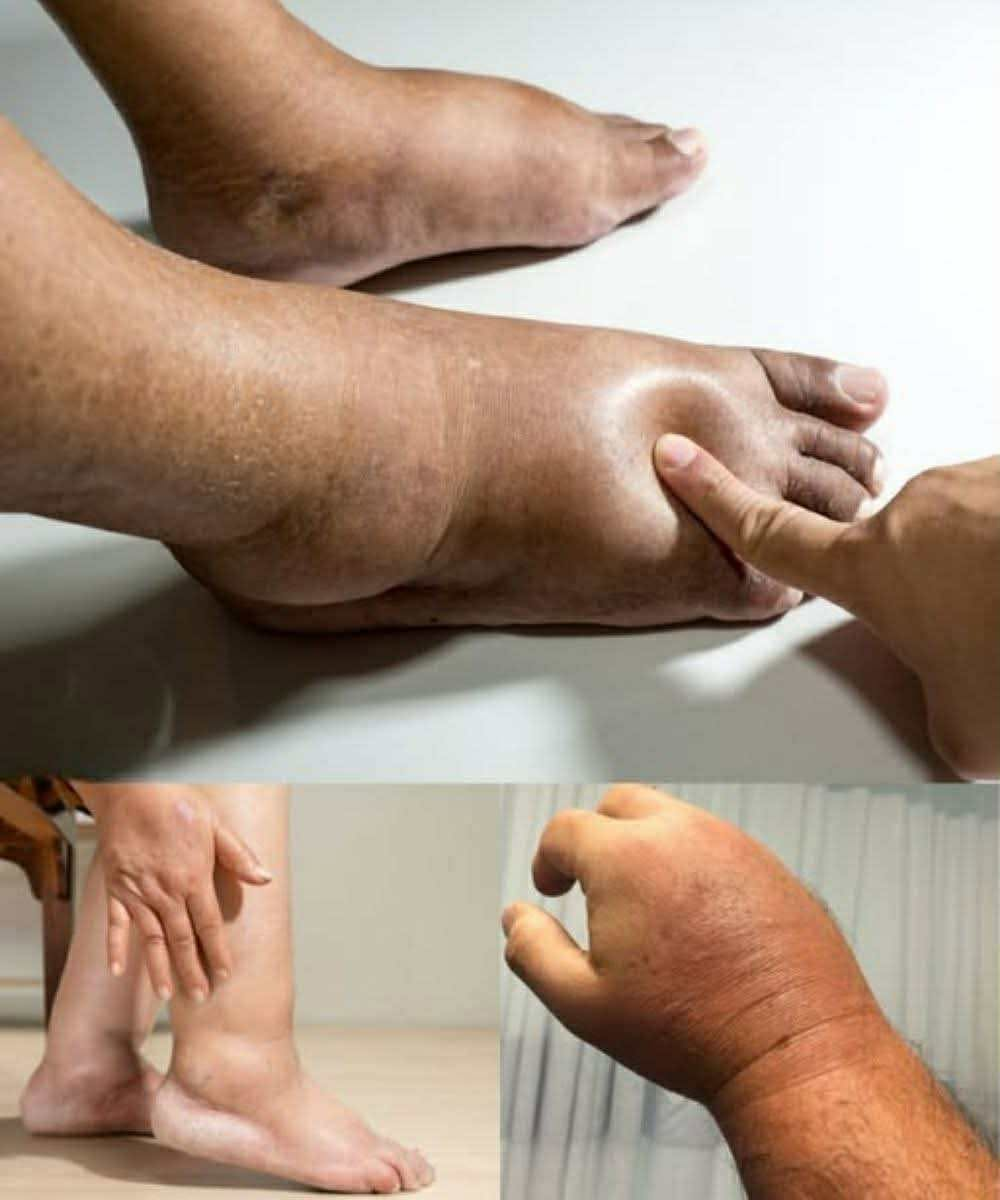
Swelling in your arms, legs, ankles, or feet might seem like a minor inconvenience after a long day on your feet or a salty meal. But when that puffiness becomes persistent or painful, it can signal something far more serious lurking beneath the surface. Chronic edema, or fluid retention in the tissues, isn’t just uncomfortable — it can be a warning sign of heart problems, kidney issues, liver dysfunction, or circulatory disorders that quietly threaten your health. The good news is that nature has provided powerful allies in the form of everyday foods that can help reduce dangerous swelling naturally, often working faster and more gently than many people expect. Incorporating these anti-inflammatory, diuretic, and circulation-boosting foods into your daily routine can make a noticeable difference in how you feel and move.
One of the most effective and accessible options is pineapple. This tropical fruit contains bromelain, a potent enzyme with strong anti-inflammatory properties that helps break down proteins contributing to fluid buildup. Fresh pineapple or unsweetened pineapple juice can reduce swelling within hours for many people, especially in the lower limbs. Its natural diuretic effect encourages the body to flush excess fluid while delivering a healthy dose of vitamin C and manganese to support overall tissue health. Adding a cup of fresh pineapple chunks to your morning smoothie or afternoon snack is a delicious way to fight inflammation from the inside out.
Cucumber deserves a prime spot in any anti-swelling routine. With over 95% water content and natural compounds that promote gentle diuresis, cucumber helps the body eliminate excess sodium and fluid without depleting essential electrolytes. Its high potassium content further balances sodium levels, a common trigger for puffiness. Sliced cucumber in water, added to salads, or eaten as a crunchy snack provides hydration and mild detoxification that targets swelling effectively. Many people notice reduced bloating and lighter legs after just a few days of regular consumption.
Celery acts as a natural diuretic powerhouse. Rich in phthalides, compounds that relax blood vessels and improve circulation, celery helps reduce fluid retention while supporting healthy blood pressure. Its high fiber and electrolyte profile make it particularly useful for people whose swelling stems from poor circulation or dietary imbalances. Drinking fresh celery juice in the morning or adding chopped celery to soups and stir-fries can yield visible results within days. The mild, refreshing taste makes it easy to incorporate consistently.
Beets offer a unique combination of benefits for swollen limbs. Their natural nitrates improve blood flow and oxygen delivery to tissues, while betalains provide powerful anti-inflammatory effects. Beets also support liver function, helping the body process and eliminate excess fluids more efficiently. Roasted beets as a side dish, blended into smoothies, or grated raw into salads deliver these benefits in a naturally sweet package. Regular consumption has been shown to reduce both visible swelling and the discomfort that often accompanies it.
Ginger root stands out for its ability to address swelling from multiple angles. Its potent anti-inflammatory compounds, including gingerols, help calm irritated tissues while improving circulation and reducing oxidative stress. Ginger also supports digestive health, preventing the bloating that can worsen overall fluid retention. Fresh ginger tea, grated into meals, or blended into smoothies provides fast relief for many people dealing with chronic swelling. Its warming effect makes it especially useful during colder months when circulation tends to slow down.
Turmeric, with its active compound curcumin, is one of the most researched natural anti-inflammatories available. When paired with black pepper for better absorption, turmeric can significantly reduce swelling caused by inflammation or poor circulation. Its benefits extend beyond the physical, supporting overall immune balance that helps prevent fluid buildup. Golden milk made with turmeric, black pepper, and a milk of your choice has become a popular evening ritual for those seeking relief from persistent edema. Consistent use often leads to noticeable improvements in comfort and mobility.
Asparagus works as a gentle, natural diuretic that helps the body release excess fluid without the harsh effects of many medications. Its high folate and potassium content support healthy kidney function and electrolyte balance, making it particularly effective for swelling related to dietary sodium or mild fluid retention. Steamed asparagus as a side dish or added to salads provides benefits that many people feel within hours. Its mild flavor pairs well with a variety of meals, making it easy to include regularly.
Berries, especially blueberries and strawberries, deliver powerful antioxidants that combat inflammation at the cellular level. Their high fiber and water content help regulate fluid balance while supporting vascular health. Fresh or frozen berries in smoothies, oatmeal, or eaten plain provide a sweet way to fight swelling. Regular consumption has been linked to improved circulation and reduced puffiness, particularly in the lower extremities where gravity tends to pull fluid downward.
Leafy greens like spinach, kale, and arugula offer a triple benefit: high potassium to counter sodium, magnesium for muscle and nerve function, and nitrates for better blood flow. These nutrient-dense vegetables help the body maintain proper fluid balance while reducing inflammation that contributes to swelling. Adding generous handfuls to meals or blending them into green smoothies can produce noticeable results within days. Their versatility makes them easy to incorporate even for those who aren’t big vegetable fans.
Fatty fish such as salmon, mackerel, and sardines provide omega-3 fatty acids that are among the most effective natural anti-inflammatories. These healthy fats help reduce systemic inflammation that often underlies chronic swelling while supporting cardiovascular health. Eating fatty fish two to three times per week or taking a high-quality fish oil supplement can lead to significant improvements in comfort and reduced fluid retention. The additional protein and nutrients in these fish make them a valuable addition to any anti-swelling diet.
While these foods can work remarkably well, they’re most effective when combined with other healthy habits. Reducing sodium intake, staying well hydrated with plain water, elevating swollen limbs when possible, and engaging in gentle movement like walking or swimming all enhance their benefits. For those with underlying medical conditions, these dietary changes should complement, not replace, professional medical care. Persistent or severe swelling always warrants a visit to your doctor to rule out serious causes.
The beauty of these natural approaches lies in their accessibility and gentleness. Unlike many medications that come with side effects or dependency risks, these foods work with your body’s natural systems to restore balance. Many people report not only reduced swelling but also improvements in energy, digestion, and overall well-being when they make these foods regular parts of their diet. Small, consistent changes often produce the most sustainable results.
If you’ve been dealing with uncomfortable or concerning swelling, consider starting with a few of these foods and observing how your body responds. The journey toward better comfort and health often begins with simple, nourishing choices that support rather than fight your body’s natural processes. Your limbs carry you through life every single day — giving them the care and attention they deserve through thoughtful nutrition is one of the kindest things you can do for yourself.
Swelling doesn’t have to be your normal. With the right foods and habits, many people find significant relief and renewed comfort in their daily lives. Listen to your body, make informed choices, and don’t hesitate to seek medical guidance when needed. The path to feeling lighter and more comfortable may be as close as your next meal.
Most Popular!
-
 The Heartbreaking Reality: Why Jelly Roll and Bunnie XO’s Fairytale Marriage Has Finally Imploded
-
Is That Tiny Canker Sore Actually a Death Sentence? The Silent Signs of Oral Cancer You’re Likely Ignoring
-
The Indecency Scandal: Why Bianca Censori’s Latest Cat Mask Ensemble Has the Public Demanding Her Arrest
-
The Secret Message from Beyond: Why Cemetery Officials Are Desperate to Destroy This Man’s Final Tribute
-
The Miracle Weed: Why This Common Backyard Menace Is Worth Its Weight in Gold
-
The Innocent Selfie That Ended a Wedding: How One Tiny Detail Destroyed Everything
-
The Secret Whisper That Left a Nation Stunned: What Trump Actually Said to the Fighter Who Insulted Michelle Obama
-
These Mind-Bending Riddles Are Humiliating Millions Online — Can You Solve Them Without Losing Your Mind?