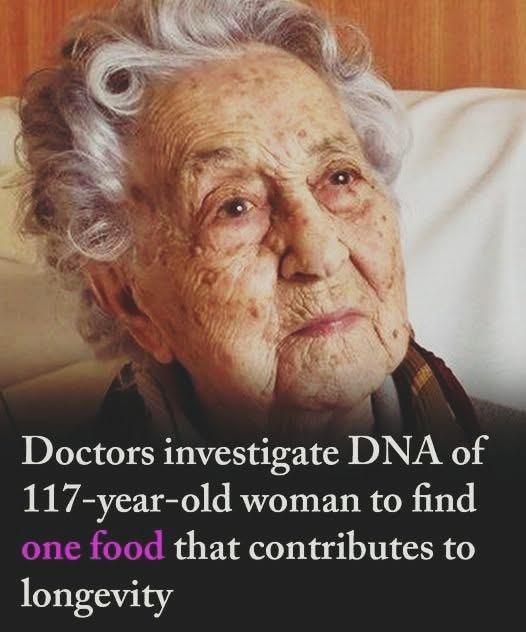
When doctors announced they were sequencing the complete genome of a 117-year-old woman who had lived a remarkably healthy life until the very end, the scientific community took notice. This wasn’t just another study on aging — it was an unprecedented look into the genetic blueprint of one of the oldest verified humans on record. What they discovered is reshaping how we think about longevity, showing that exceptional lifespan isn’t purely luck or lifestyle, but a complex interplay of protective genes, resilience mechanisms, and environmental factors that allowed her body to defy the typical limits of human biology. For researchers, families with long-lived relatives, and anyone hoping to add healthy years to their own life, this case offers both hope and concrete insights into what truly matters for living longer and better.
The woman, known in research circles as “Supercentenarian S,” lived in a quiet rural area and maintained relatively good health well into her final decade. She had no major chronic diseases until very late in life, stayed mentally sharp, and credited simple habits like daily walking, strong family connections, and a plant-rich diet. Yet her family history showed a pattern of longevity, suggesting something deeper in her biology was at play. When researchers obtained her DNA with full consent from her family after her peaceful passing, they found a genetic profile rich with protective variants that appeared to shield her from common age-related diseases like heart disease, cancer, and cognitive decline. This rare combination made her an ideal subject for unlocking secrets that could one day help millions.
One of the most striking findings involved genes related to DNA repair and cellular maintenance. Supercentenarian S carried several variants known to enhance the body’s ability to fix damaged genetic material and clear out malfunctioning cells before they cause problems. These mechanisms become less efficient as we age, contributing to the gradual breakdown associated with getting older. In her case, these repair systems remained remarkably active, potentially explaining why she avoided many of the health complications that typically appear after 80 or 90. Scientists believe these protective genes may act like a high-quality maintenance crew that keeps the body running smoothly for decades longer than average.
The study also highlighted the role of inflammation control. Chronic low-grade inflammation is often called “inflammaging” and is linked to nearly every major disease of old age. Supercentenarian S had genetic markers associated with a more balanced inflammatory response, meaning her body didn’t overreact to minor stressors or infections. This genetic advantage likely contributed to her staying active and mentally clear well past the century mark. Researchers noted that while lifestyle choices like diet and exercise influence inflammation, certain people are genetically predisposed to handle it better, giving them a significant edge in healthy aging.
Another fascinating discovery centered on her cardiovascular system. Despite living through eras when heart disease was a leading killer, she showed genetic protections that helped maintain strong blood vessels and efficient heart function. Variants that support better cholesterol management and vascular elasticity appeared more frequently in her DNA than in the general population. This finding aligns with growing research suggesting that heart health is one of the most important predictors of reaching extreme old age. Her case provides real-world evidence that some individuals are simply built with more resilient cardiovascular architecture from the start.
Mental sharpness until the end was perhaps the most inspiring aspect of her story. Cognitive decline is one of the most feared parts of aging, yet Supercentenarian S remained lucid and engaged. Genetic analysis revealed protective factors for brain health, including variants that support neuron maintenance and reduce the buildup of harmful proteins associated with Alzheimer’s and other dementias. Combined with her lifelong habits of reading, social engagement, and mental stimulation, these genetic advantages created a powerful defense against cognitive loss. Her story reinforces the idea that both nature and nurture play crucial roles in brain longevity.
For families with histories of longevity, this research brings both validation and practical hope. If you have parents or grandparents who lived well into their 90s or beyond, there’s a good chance protective genetic factors are at work. While you can’t change your DNA, understanding these factors can guide smarter lifestyle choices. Experts recommend focusing on habits that support the body’s natural repair systems — regular physical activity, quality sleep, stress management, and a diet rich in colorful plants and healthy fats. These practices can help maximize whatever genetic advantages you already possess.
The study also carries important implications for personalized medicine. As genetic testing becomes more accessible, doctors may soon be able to identify individuals with exceptional longevity potential and offer tailored recommendations to help them reach it. This could shift healthcare from simply treating disease to actively promoting extended healthspan — the number of years lived in good health rather than just adding years to life. Supercentenarian S’s DNA provides a valuable reference point for future research aiming to develop therapies that mimic some of her protective mechanisms.
Of course, genetics are only part of the equation. The woman lived through significant historical events, maintained strong social connections, and found purpose in everyday life. Researchers emphasize that even people without exceptional longevity genes can dramatically improve their odds through consistent healthy habits. Her story serves as both inspiration and a gentle reminder that while we can’t control every factor, we have more influence over our aging trajectory than we often realize.
As scientists continue analyzing her complete genetic profile, the hope is that these insights will eventually translate into practical applications for everyone. From new supplements targeting cellular repair to lifestyle programs designed around genetic strengths, the possibilities are exciting. For now, her life stands as living proof that exceptional longevity is possible and that studying those who achieve it can light the way for future generations.
The 117-year-old woman whose DNA is now helping unlock longevity secrets lived a life marked by resilience, connection, and quiet strength. Her contribution to science in death may ultimately help millions live healthier, longer lives. While we may never reach 117 ourselves, understanding the factors that made her journey possible brings us one step closer to aging with grace and vitality. The research continues, but her legacy already offers something precious — hope that the best years may still lie ahead, supported by both the genes we inherit and the choices we make every single day.
Most Popular!
-
 Donald Trump Releases Shocking Health Report but Critics Point to Hidden Details and Missing Data That Could Change Everything
-
The Unholy War Between the White House and the Vatican: Why JD Vance’s Shocking Accusation Against Pope Leo Has the Entire World Bracing for a Spiritual Collapse
-
Chilling Reports of US and Iran War Send Global Markets into Total Chaos as Truth Behind Downed Fighter Jet Finally Revealed
-
The Truth About What Happens to Your Body When You Eat Walnuts Every Day, According to Top Medical Experts
-
Brandi Passante Sends Internet Into Total Meltdown After Stunning New Beach Photos Go Viral Across Social Media
-
Where Are They Now: The Heartstopping True Story of Britain’s Youngest Parents Who Shocked the Nation at Fourteen Years Old
-
Why You Are Waking Up at One AM Every Night and the Shocking Spiritual Warning Your Body Is Trying to Send You Before It Is Too Late
-
Unprecedented Global Showdown as Trump Unleashes Chilling Two-Word Attack on Pope Leo Amid International Crisis