Head Lice: Effective Ways to Remove Them and Prevent Reinfestation
That dreaded itch on your child’s scalp. The frantic late-night search through hair under bright light. Discovering head lice can feel like a parenting nightmare, but it’s far more common than most families realize — and completely manageable with the right approach. These tiny parasites have been around for thousands of years, and while they’re unpleasant, they don’t carry diseases and are not a sign of poor hygiene. The good news is that with consistent treatment and smart prevention strategies, you can eliminate them quickly and stop the cycle of reinfestation. Here’s everything you need to know to handle head lice confidently and effectively.
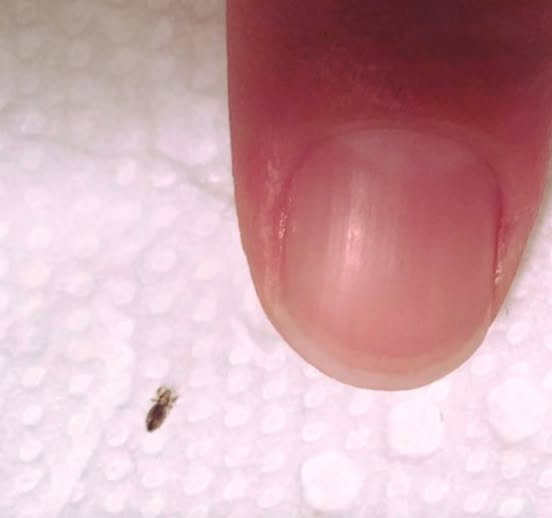
The first step is confirming the problem. Head lice are small, sesame-seed-sized insects that live on the scalp and feed on blood. Their eggs, called nits, are tiny white or yellowish specks glued firmly to hair shafts close to the scalp. Itching is the most common symptom, but not everyone experiences it right away. If you spot movement or nits within a quarter-inch of the scalp, it’s time to act. Wet combing with a fine-toothed lice comb is one of the most reliable detection methods — it catches both live lice and nits that shampoos might miss. Doing this under bright light after applying conditioner makes the process easier and more thorough.
Over-the-counter treatments can be effective when used correctly, but they’re not foolproof. Many products contain permethrin or pyrethrin, which kill live lice but may not eliminate all nits. Follow the instructions precisely, including a second treatment after 7–10 days to catch newly hatched lice. For stubborn cases or when resistance is suspected, prescription options like malathion or spinosad may be recommended by a doctor. Always check with a healthcare provider before using chemical treatments on young children or anyone with sensitive skin or asthma.
Natural and mechanical methods are increasingly popular, especially for families preferring to avoid harsh chemicals. Wet combing every 2–3 days for two weeks can physically remove lice and nits without medication. Some parents swear by essential oils like tea tree, lavender, or eucalyptus mixed with carrier oil, though results vary and they should never replace thorough combing. A simple mixture of coconut oil or olive oil can suffocate lice while making combing smoother. The key is consistency — one thorough treatment isn’t enough; you must stay vigilant until no signs remain.
Preventing reinfestation requires a whole-house strategy. Wash all bedding, clothing, and towels that have been in contact with the affected person in hot water and dry on high heat. Items that can’t be washed should be sealed in plastic bags for two weeks. Vacuum carpets, furniture, and car seats thoroughly. Don’t forget to clean hair tools, headphones, and helmets. While lice don’t survive long off the scalp, taking these steps reduces any risk of re-exposure. Teach children not to share combs, hats, or headphones, and encourage regular hair checks during outbreaks at school.
School and community outbreaks are common, especially among elementary-age children. Many schools have moved away from “no-nit” policies because they can keep kids out of class unnecessarily. Instead, focus on education and early treatment. If your child has lice, inform the school promptly so other families can check. This collective awareness helps contain spread without stigma. Remember, head lice affect all socioeconomic groups — it’s about close head-to-head contact, not cleanliness.
For parents dealing with repeated infestations, it’s important to break the cycle by addressing every potential source. Check all family members regularly, even if they show no symptoms. Long hair should be kept in braids or buns during outbreaks to reduce contact. Some families use preventive sprays with natural repellents on backpacks and clothing during school outbreaks. Staying calm and methodical prevents panic and ensures thorough treatment rather than rushed, incomplete efforts that lead to reinfestation.
When to call a professional? If over-the-counter treatments fail after two full cycles, if you see signs of infection from scratching, or if you’re dealing with a very young child, consult your pediatrician or a dermatologist. They can recommend stronger options and rule out other scalp conditions that mimic lice. Pharmacists can also provide valuable guidance on product selection and proper application techniques. Don’t hesitate to seek help — persistent cases are frustrating but solvable with expert support.
Head lice may feel overwhelming in the moment, but they don’t define your family’s hygiene or worth. With patience, the right tools, and consistent follow-through, most cases are resolved within a couple of weeks. Focus on facts rather than shame, and use the experience as an opportunity to teach children about personal care and responsibility. Many parents emerge from their first lice encounter feeling more confident and prepared for whatever parenting throws at them next.
The next time you hear those dreaded words from school or spot that suspicious itching, remember you have effective options. Combine thorough mechanical removal, appropriate treatments, and strong prevention habits, and you’ll regain control quickly. Head lice are a temporary inconvenience, not a permanent problem. With knowledge and calm action, you can protect your family and help stop the spread in your community. Here’s to clearer scalps, peaceful nights, and the confidence that comes from knowing exactly how to handle this common childhood challenge.
Most Popular!
-
 Donald Trump Releases Shocking Health Report but Critics Point to Hidden Details and Missing Data That Could Change Everything
-
The Unholy War Between the White House and the Vatican: Why JD Vance’s Shocking Accusation Against Pope Leo Has the Entire World Bracing for a Spiritual Collapse
-
Chilling Reports of US and Iran War Send Global Markets into Total Chaos as Truth Behind Downed Fighter Jet Finally Revealed
-
The Truth About What Happens to Your Body When You Eat Walnuts Every Day, According to Top Medical Experts
-
Brandi Passante Sends Internet Into Total Meltdown After Stunning New Beach Photos Go Viral Across Social Media
-
Where Are They Now: The Heartstopping True Story of Britain’s Youngest Parents Who Shocked the Nation at Fourteen Years Old
-
Why You Are Waking Up at One AM Every Night and the Shocking Spiritual Warning Your Body Is Trying to Send You Before It Is Too Late
-
Unprecedented Global Showdown as Trump Unleashes Chilling Two-Word Attack on Pope Leo Amid International Crisis