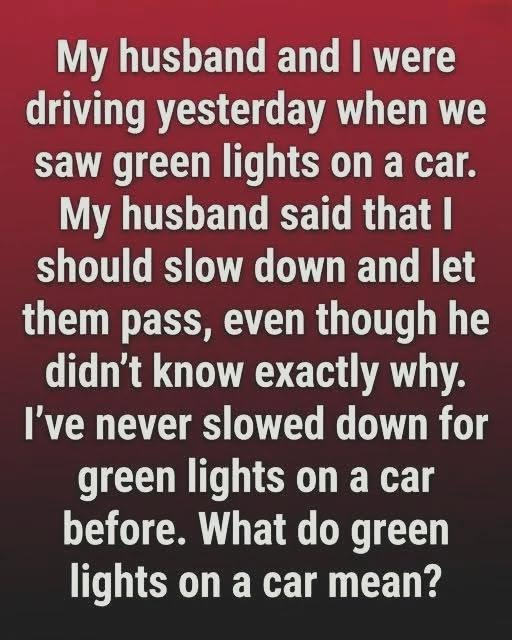
You’re cruising down a familiar stretch of highway late at night, and something feels different. One green light after another greets you as if the road itself is wishing you safe travels. At first it seems like luck, but after a few trips you start noticing the pattern on specific routes while other roads remain frustratingly stop-and-go. Drivers across the country have been sharing similar experiences online, sparking curiosity and conversation about why certain roads seem to offer perfectly timed green lights while others test your patience. This isn’t just random good fortune — there’s real engineering, technology, and smart planning behind these synchronized signals, and understanding it can make your daily commute safer, less stressful, and even more efficient.
Many drivers first notice the phenomenon on major arterial roads or corridors designed as “green waves.” City traffic engineers carefully calculate timing so that if you maintain the recommended speed limit, you can catch a series of green lights in succession. It feels almost magical when it happens, turning a normally frustrating drive into a smooth journey. On these coordinated routes, the lights are programmed to work together as a system rather than operating independently. This coordination reduces stops, lowers fuel consumption, cuts down on emissions, and most importantly, improves overall traffic flow and safety by minimizing the risky behavior that comes with frequent braking and accelerating.
The technology making this possible has advanced significantly in recent years. Modern traffic systems use sensors, cameras, and artificial intelligence to monitor real-time conditions and adjust light timings dynamically. On certain roads, especially those handling high volumes of commuters, these smart systems create predictable patterns that reward safe, consistent driving. Drivers who pay attention often report that traveling at the posted speed limit — usually around 35 to 45 mph on many suburban routes — dramatically increases their chances of hitting multiple greens. It’s a subtle reminder that the rules of the road are designed with both efficiency and safety in mind.
One of the most common observations shared by drivers is how dramatically the experience differs between coordinated corridors and older, independently timed intersections. On the latter, you might hit every red light no matter how carefully you time your departure. This inconsistency can lead to frustration, speeding, and dangerous maneuvers as impatient drivers try to beat the next light. In contrast, roads with green wave timing encourage calm, steady driving. Many cities have been upgrading their systems precisely because of these benefits, using data from connected vehicles and road sensors to fine-tune the sequences throughout the day based on actual traffic patterns.
Safety experts emphasize that noticing and respecting these green light patterns can prevent accidents. When you understand that maintaining a steady speed often keeps you in the flow, you’re less likely to rush through yellows or accelerate aggressively. This awareness also helps reduce rear-end collisions, which frequently occur at intersections where drivers are caught off guard by sudden changes. Parents teaching teenagers to drive often point out these coordinated routes as perfect practice areas for building smooth driving habits and learning to read the rhythm of traffic signals.
Beyond the practical benefits, there’s something psychologically reassuring about hitting a string of green lights. It creates a sense of momentum and control during otherwise stressful commutes. Commuters report arriving at work feeling less frazzled, and evening drives home feel more peaceful. Some drivers have even turned it into a mindful practice — using the steady pace as a moment for gratitude or planning their day. What starts as a simple observation about traffic lights can become a metaphor for life: sometimes staying steady and patient gets you further than rushing ahead.
Of course, not every green light streak is intentional coordination. Weather, time of day, special events, and even construction can temporarily disrupt normal patterns. Smart drivers learn to recognize the difference and adapt accordingly. Apps and navigation systems now often incorporate real-time traffic light data, helping users choose routes with better flow. Staying informed through these tools allows you to make smarter decisions and avoid the most frustrating stretches during peak hours.
For cities and traffic departments, expanding green wave technology represents a cost-effective way to reduce congestion without building expensive new infrastructure. Every stop avoided means less fuel wasted, fewer emissions released, and reduced wear on vehicles. As more communities adopt intelligent transportation systems, drivers are likely to notice even more of these satisfying green light sequences. It’s a win-win situation that benefits everyone sharing the roads.
If you’ve been noticing these patterns on your regular routes, try experimenting with your driving speed. Pay attention to the timing and see how closely you can match the flow. Many drivers discover that driving just a few miles per hour slower or faster can make a significant difference. This small adjustment, combined with staying alert and avoiding distractions, can transform your commute from a source of stress into a more pleasant part of your day.
The growing awareness of coordinated green lights also highlights the importance of supporting local infrastructure improvements. When communities invest in smarter traffic management, everyone benefits through shorter travel times, lower accident rates, and reduced environmental impact. Next time you sail through several greens in a row, take a moment to appreciate the planning behind it — and remember that safe, attentive driving helps keep those systems working effectively for all of us.
Understanding what drivers are noticing about green lights on certain roads ultimately comes down to respect for the system and respect for fellow road users. Those perfectly timed stretches aren’t magic — they’re the result of thoughtful engineering designed to make our shared spaces work better. By driving with awareness, patience, and consistency, we honor that effort while making our own journeys smoother and safer. The next time you hit that sweet spot of green lights, enjoy the flow, stay alert, and carry that sense of ease into the rest of your day. Safe travels — the road ahead might be greener than you think.
Most Popular!
-
 The First Animal You Notice May Reflect Interesting Traits About Your Thinking Style
-
Tammy Hembrow Draws Attention After Sharing New Beach Photos
-
Actor John Cunningham Passes Away at 93 After Long Career in Film and Theater
-
From Hollywood Actor to Legal Career — The Remarkable Journey of Chunk
-
Why Iran Football Players Wore 168 Pins as They Arrived at the FIFA World Cup
-
A Father’s Emotional Statement in Court Following the Tragic Death of a Teen
-
Donald Trump’s Health Status: What Official Information and Public Reports Reveal
-
Valentine’s Dinner Experiment Sheds Light on Why a Seven-Year Relationship Ended