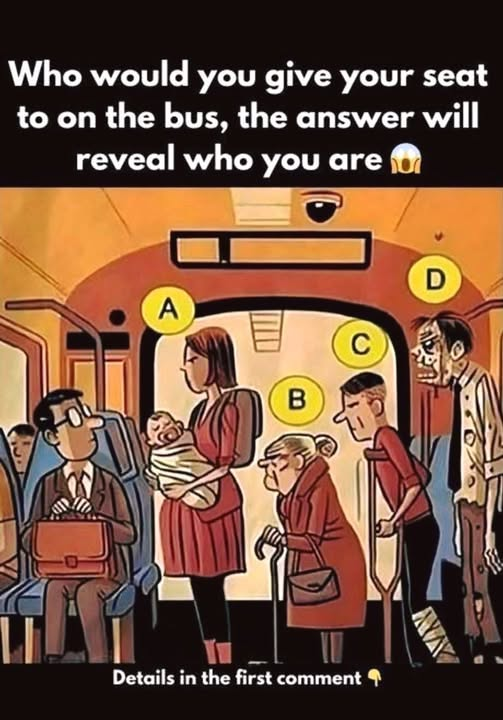
Every day, millions of people step onto buses, trains, and subways, scanning for the perfect seat. Some head straight for the back, others claim the front row, while many hover awkwardly in the middle, weighing their options. What seems like a simple, practical choice might actually reveal more about your personality than you realize. Psychologists and behavioral experts have long studied how seating preferences reflect deeper traits — from introversion and extroversion to risk tolerance and social comfort levels. Understanding what your usual bus seat says about you can be surprisingly insightful, offering a fun window into your own habits and perhaps even helping you make more conscious choices in daily life.
People who consistently choose the back of the bus often share certain personality traits. They tend to be independent thinkers who value privacy and control over their environment. Sitting at the rear gives them a full view of who enters and exits, creating a sense of security and strategic positioning. These individuals are frequently analytical, observant, and comfortable with their own company. They might be the type who prefers deep conversations with close friends over small talk with strangers. However, this preference can sometimes indicate a tendency toward isolation or mild social anxiety, where the back seat serves as a subtle buffer from the world.
Front-seaters, on the other hand, are often viewed as more outgoing and proactive. Choosing the front suggests confidence and a desire to be first — whether it’s getting off the bus quickly or simply being part of the action. These people tend to be optimistic, energetic, and comfortable with visibility. They might strike up conversations easily or enjoy people-watching from a front-row perspective. Psychologists note that front-seaters often exhibit leadership qualities and a willingness to engage with their surroundings rather than withdraw from them. This choice can also reflect practicality, especially for those who need to exit quickly or have mobility considerations.
Middle-seat choosers frequently embody balance and adaptability. They are the diplomats of public transportation — neither seeking extreme privacy nor craving the spotlight. These individuals tend to be flexible, agreeable, and skilled at navigating social dynamics. They might adjust easily to new situations and prefer harmony over conflict. However, constantly choosing the middle can sometimes indicate indecisiveness or a fear of commitment to one extreme or another. In group settings, middle-seaters are often the peacemakers who help maintain equilibrium.
Window versus aisle preferences add another fascinating layer to seating psychology. Window lovers are often dreamers and introspective types who enjoy watching the world pass by. They value solitude and the ability to tune out external distractions. Aisle people, conversely, prioritize freedom of movement and quick escape routes. They tend to be more practical, restless, or socially engaged, wanting easy access to the rest of the bus. Interestingly, studies suggest that aisle-sitters are slightly more likely to initiate conversations, while window-sitters prefer quiet observation.
Cultural and environmental factors also influence seating choices in meaningful ways. In some cultures, sitting near the front shows respect for authority or elders, while in others, the back represents status or independence. Personal history plays a role too — someone who experienced bullying might instinctively choose the back for safety, while a former athlete might gravitate toward the front for quick exits. Understanding these influences helps explain why two people on the same bus might make completely different choices despite similar personalities.
Recent research in environmental psychology has explored how seating position affects mood and behavior. Sitting in the back can promote relaxation and reflection but may also increase feelings of isolation over time. Front positions tend to boost energy and engagement but can create pressure to perform or interact. Middle seats often provide the best balance for most people, offering flexibility without extremes. These findings suggest that being mindful of our seating habits could actually improve our daily emotional well-being.
For frequent commuters, small adjustments in seating strategy can lead to meaningful changes. Introverts might benefit from occasionally choosing the front to practice social engagement, while extroverts could try the back for quiet reflection. Parents traveling with children often have limited options, but understanding the psychological impact can help them choose seats that support everyone’s comfort. Even simple awareness of these patterns can make mundane commutes feel more intentional and less automatic.
The next time you step onto a bus, take a moment to notice your instinctive choice. Are you heading to the back for privacy, the front for visibility, or the middle for balance? Your seat selection might be telling you something important about your current state of mind, needs, and personality. Rather than judging these preferences, use them as gentle insights for self-awareness and growth. Public transportation offers a daily microcosm of human behavior — and your place in it says more about you than you might realize.
This seemingly trivial choice connects to larger patterns in how we navigate the world. Understanding it can lead to greater empathy for others’ seating decisions and more conscious choices in our own lives. Whether you’re a dedicated back-seater, a front-row enthusiast, or a flexible middle dweller, your preference reflects part of who you are — and that awareness alone can make every commute a little more interesting. The bus seat you choose today might just reveal something meaningful about the person you are becoming tomorrow. So the next time you board, consider not just comfort or convenience, but the subtle psychology playing out in that simple decision. Your personality might be more visible than you think — even from the back row.
Most Popular!
-
 The First Animal You Notice May Reflect Interesting Traits About Your Thinking Style
-
Tammy Hembrow Draws Attention After Sharing New Beach Photos
-
Actor John Cunningham Passes Away at 93 After Long Career in Film and Theater
-
From Hollywood Actor to Legal Career — The Remarkable Journey of Chunk
-
What Drivers Are Noticing About Green Lights on Certain Roads
-
Why Iran Football Players Wore 168 Pins as They Arrived at the FIFA World Cup
-
A Father’s Emotional Statement in Court Following the Tragic Death of a Teen
-
Donald Trump’s Health Status: What Official Information and Public Reports Reveal