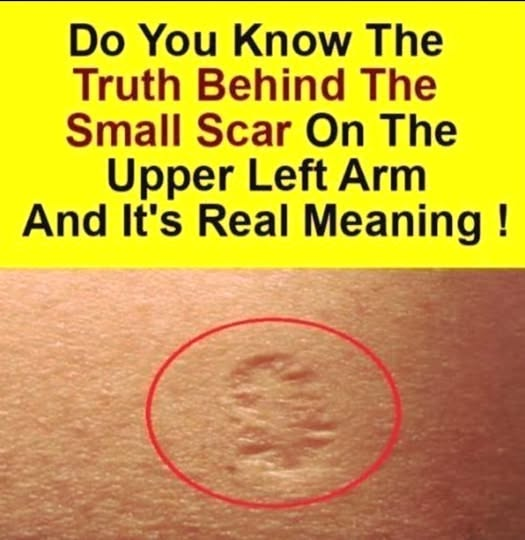
Many people in their 40s and older still carry a small, distinctive mark on their upper arm — a faint circular scar that often raises questions when noticed. For those who received the smallpox vaccine decades ago, this mark is a permanent reminder of a global health triumph and a very specific vaccination technique. While the disease itself was officially eradicated in 1980, these scars continue to spark curiosity, nostalgia, and sometimes concern among younger generations who have never seen them before. Understanding what these scars represent and why they form can turn a simple mark into a fascinating piece of medical history that highlights how far public health has come.
The smallpox vaccine was administered differently from most modern shots. Instead of a single injection, the vaccine used a bifurcated needle — a small, two-pronged tool that pricked the skin multiple times in a small area. This method introduced the vaccinia virus into the upper layers of the skin, triggering a localized infection that created a blister. As the blister healed over several weeks, it formed the characteristic round scar most people recognize today. The process was intentionally designed this way because it produced a strong immune response with a relatively small amount of vaccine material. For many who received it as children, the experience was memorable — a brief moment of discomfort followed by weeks of watching the sore develop and eventually scar.
These scars typically appear as small, round, slightly depressed areas on the upper left arm, though placement could vary depending on the country and vaccination program. They often have a pitted or textured look, similar to a chickenpox scar but more uniform in shape. Some people have very faint marks that are barely noticeable, while others have more prominent ones that remain clearly visible decades later. The variation depends on factors like individual healing response, the strength of the reaction to the vaccine, and how the site was cared for during the blister stage. In most cases, the scar is completely harmless and serves as a lifelong badge of having been protected against one of history’s deadliest diseases.
The reason these scars are so common among certain age groups is tied to the global smallpox eradication campaign. From the 1950s through the 1970s, millions of people worldwide received the vaccine as part of an intensive effort led by the World Health Organization. In the United States, routine vaccination continued until 1972, meaning anyone born before the early 1970s likely carries the mark. The campaign was one of the greatest public health successes in history, ultimately eliminating a disease that had killed hundreds of millions of people over centuries. Those small scars represent a collective victory that saved countless lives and freed future generations from the fear of smallpox outbreaks.
While the scars themselves are harmless, they sometimes cause unnecessary worry when discovered later in life. Younger people who notice them on parents or grandparents occasionally ask if they indicate past illness or injury. In reality, they are simply evidence of successful vaccination. Some individuals even feel a sense of pride when they learn the historical significance, viewing the mark as a connection to a time when global cooperation achieved something extraordinary. The vaccine’s side effects were generally mild for most people — a sore arm, low-grade fever, and the blister that eventually scarred — making it a small price to pay for protection against a devastating disease.
Today, routine smallpox vaccination is no longer recommended for the general public because the disease no longer exists in nature. However, the vaccine is still maintained in secure stockpiles around the world in case of any future emergency. For those who carry the scar, it serves as a quiet reminder of how medical science can overcome seemingly insurmountable challenges. Some people choose to embrace their scar as a conversation starter, sharing stories about the eradication effort and the importance of vaccines in general. Others simply see it as an interesting part of their personal history with no deeper meaning attached.
Caring for these scars is usually unnecessary since they are long healed. However, if the area becomes irritated or if someone feels self-conscious about its appearance, simple moisturizing and sun protection can help. In rare cases where the scar is unusually large or raised, consulting a dermatologist can provide reassurance and treatment options if desired. Most people find that once they understand the origin, any initial concern fades quickly, replaced by appreciation for the medical advancement it represents.
The smallpox eradication story remains one of humanity’s greatest achievements, and those characteristic scars are living proof of that success. They connect generations and serve as a tangible link to a time when the world came together to eliminate a common enemy. For parents explaining the mark to curious children, it offers an excellent opportunity to talk about science, history, and the power of collective action. The small round scar that once marked protection against smallpox now stands as a symbol of resilience and progress in public health.
As we continue to navigate new health challenges in our modern world, the story behind these vaccine scars reminds us of what’s possible when science, determination, and global cooperation align. The millions of people who carry these marks are part of a legacy that saved countless lives and paved the way for future medical breakthroughs. While the disease is gone, the lessons remain relevant — listen to your body, stay informed about health recommendations, and appreciate the small things that connect us to our shared history. The next time you notice that distinctive round mark on someone’s arm, remember it represents more than just an old vaccination. It represents hope, protection, and the remarkable ability of human ingenuity to overcome even the deadliest threats. Your own health journey may not leave a visible scar, but every informed choice you make contributes to a healthier future for yourself and those around you.
Most Popular!
-
 The First Animal You Notice May Reflect Interesting Traits About Your Thinking Style
-
Tammy Hembrow Draws Attention After Sharing New Beach Photos
-
Actor John Cunningham Passes Away at 93 After Long Career in Film and Theater
-
From Hollywood Actor to Legal Career — The Remarkable Journey of Chunk
-
What Drivers Are Noticing About Green Lights on Certain Roads
-
Why Iran Football Players Wore 168 Pins as They Arrived at the FIFA World Cup
-
A Father’s Emotional Statement in Court Following the Tragic Death of a Teen
-
Donald Trump’s Health Status: What Official Information and Public Reports Reveal