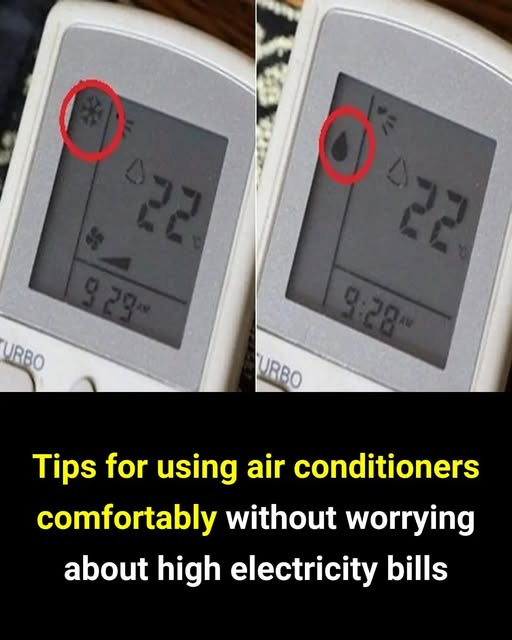
Summer heat waves have a way of turning your home into an oven, and when that happens, the air conditioner becomes your best friend — and your biggest monthly expense. Many homeowners watch their electricity bills climb higher each year without realizing that small, everyday habits with their AC units are the real culprit. I learned this lesson the hard way during a scorching July when my bill nearly doubled despite running the system the same as always. After researching common mistakes and making simple adjustments, I cut my cooling costs significantly while keeping the house comfortable. If you’re dreading your next energy statement, these air conditioner mistakes might be quietly costing you hundreds of dollars — and fixing them is easier than you think.
One of the most expensive habits is cranking the thermostat way down the moment you walk through the door. It feels good to escape the heat instantly, but that sudden temperature drop forces your AC to work overtime, pulling maximum power to remove built-up warmth. Instead of shocking the system, set your thermostat around 78°F when you’re home and raise it by 7-10 degrees when you’re away. Programmable or smart thermostats make this effortless, learning your schedule and cooling gradually before you arrive. This single change can reduce energy use by 10-20% without sacrificing comfort, especially during peak afternoon hours.
Dirty or clogged air filters are another silent budget killer. When filters get blocked with dust and debris, your system has to strain harder to push air through, using more electricity and shortening the unit’s lifespan. I used to replace mine only when the air started smelling stale, but now I check every month during summer. A clean filter improves airflow dramatically and can boost efficiency by up to 15%. It’s one of the cheapest and quickest fixes available — most filters cost just a few dollars and take minutes to swap out.
Many people also forget that blocked vents and closed doors create unnecessary pressure on the system. Closing off unused rooms seems logical for saving energy, but with central air, it actually makes the unit work harder to maintain balance. Keep vents open and use ceiling fans to circulate air more effectively. Fans allow you to raise the thermostat a few degrees while still feeling cool, saving energy without feeling stuffy. This combination often reduces runtime significantly during hot days.
Leaving windows or curtains open while the AC runs is another common error that wastes money. Hot air rushes in and cool air escapes, forcing your system to compensate constantly. Invest in good blackout curtains or reflective window film to block heat from entering in the first place. I started closing blinds during the hottest hours and noticed my AC didn’t have to fight as hard. Sealing drafts around doors and windows with simple weatherstripping also prevents cool air from leaking out, making a noticeable difference in efficiency.
Setting the fan to “on” instead of “auto” keeps the blower motor running continuously, even when cooling isn’t needed. This uses extra electricity and prevents proper humidity control. Switching to auto mode lets the fan run only when the compressor is active, saving power and improving comfort. Pair this with ceiling fans in main living areas, and you can often feel just as cool while using less energy overall.
Neglecting regular professional maintenance is like skipping oil changes on your car — it leads to bigger problems and higher costs. Annual tune-ups catch issues like low refrigerant, dirty coils, or failing parts before they cause the system to run inefficiently. A well-maintained AC uses significantly less energy and lasts longer. I schedule mine every spring, and the technician always finds small adjustments that improve performance and lower bills.
The outdoor unit needs attention too. Leaves, grass, and debris can block airflow around the condenser, making it struggle to release heat. Keep at least two feet of clear space around it and trim nearby plants. I clear the area every couple of weeks during summer, and it helps the system run cooler and more efficiently. A clean outdoor unit can make a surprising difference in how hard your AC has to work.
Using heat-generating appliances during peak afternoon hours adds extra load to your cooling system. Ovens, dryers, and even incandescent bulbs produce warmth that your AC then has to fight. Save big cooking for early morning or evening, switch to LED lighting, and run the dishwasher or dryer at night when possible. These small shifts reduce the overall temperature inside your home, giving your air conditioner a much-needed break.
For those with central air, improper zoning or trying to cool the entire house uniformly can waste energy. Focus cooling where it’s needed most using dampers or portable units for specific rooms. Understanding your home’s layout and daily usage patterns allows smarter energy decisions. Smart home technology, like Wi-Fi enabled thermostats, can automate much of this, adjusting temperatures based on occupancy and time of day.
Taking control of these air conditioner mistakes doesn’t require expensive upgrades or major renovations. Most improvements involve awareness, simple maintenance, and better habits that quickly pay for themselves. This summer, instead of dreading higher bills, you can enjoy cooler comfort knowing you’re using your system wisely. The difference between a budget-friendly month and one that strains your finances often comes down to avoiding these common pitfalls.
Start today by checking your filters, adjusting your thermostat settings, and clearing space around your outdoor unit. Small consistent actions truly add up to significant savings, giving you more freedom to enjoy summer without financial worry. Your wallet, your home’s comfort, and even your AC unit itself will thank you when the next heat wave arrives. By steering clear of these mistakes, you keep your house cool, your energy bills manageable, and your summer much more relaxing. The power to control your cooling costs is in your hands — literally, every time you touch that thermostat. Make the changes now, and you’ll feel the difference long before the first bill arrives.
Most Popular!
-
 The First Animal You Notice May Reflect Interesting Traits About Your Thinking Style
-
Tammy Hembrow Draws Attention After Sharing New Beach Photos
-
Actor John Cunningham Passes Away at 93 After Long Career in Film and Theater
-
From Hollywood Actor to Legal Career — The Remarkable Journey of Chunk
-
What Drivers Are Noticing About Green Lights on Certain Roads
-
Why Iran Football Players Wore 168 Pins as They Arrived at the FIFA World Cup
-
A Father’s Emotional Statement in Court Following the Tragic Death of a Teen
-
Donald Trump’s Health Status: What Official Information and Public Reports Reveal