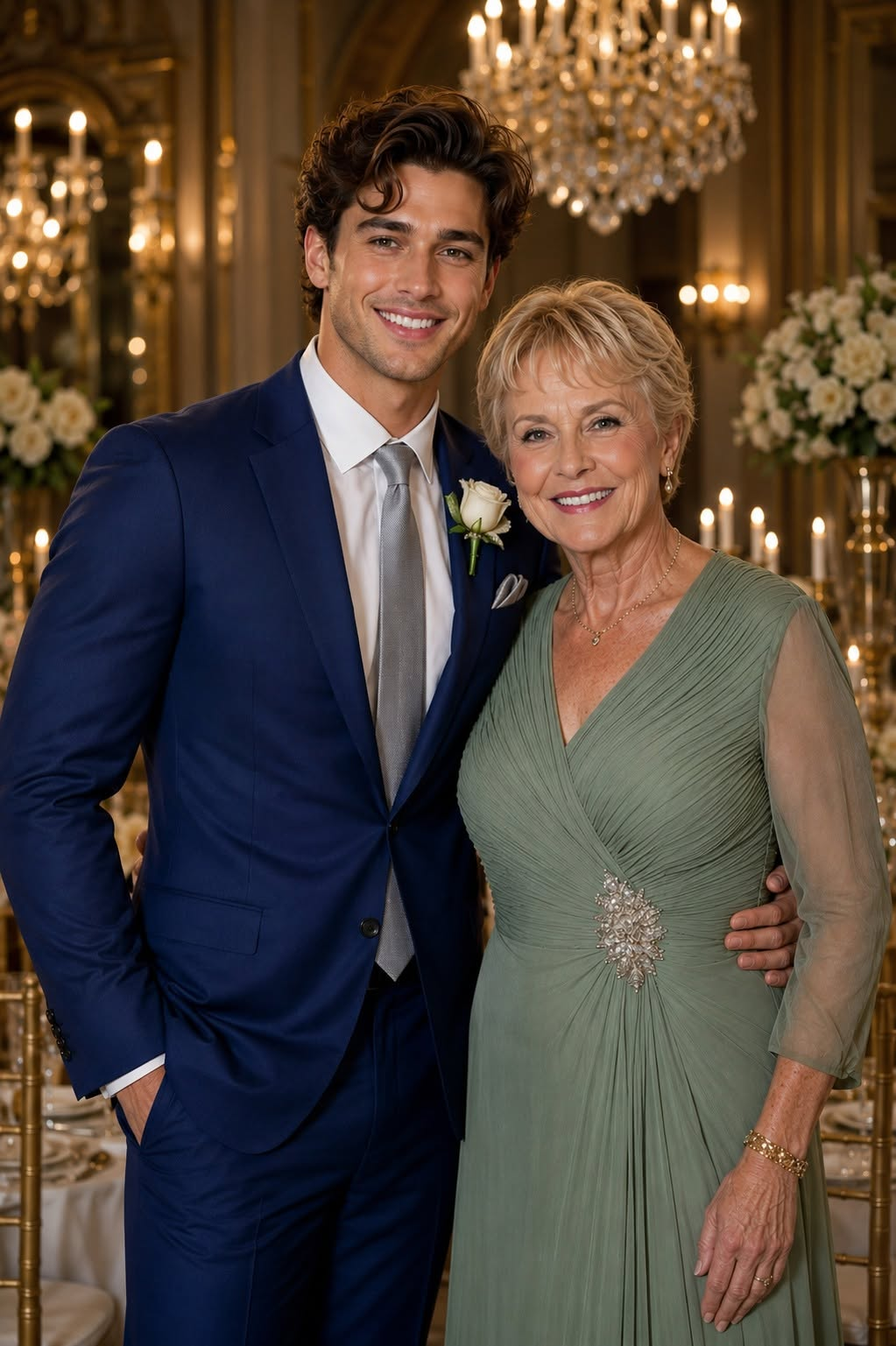
The church was quiet except for the soft rain tapping against the stained-glass windows as I stood beside the casket of the woman I had married for all the wrong reasons. Margaret Thompson had been eighty-three when I said “I do” three years earlier. At thirty-two, broke and desperate after losing everything in a bad business deal, I saw her as my way out — a lonely widow with a beautiful house and enough savings to solve my problems. I played the part of the devoted younger husband perfectly, cooking meals, listening to her stories, and pretending to care. But as the minister spoke kind words about Margaret’s gentle spirit, guilt I had buried for years began to rise. What I didn’t know was that Margaret had seen through me from the very beginning. And what she left behind after her funeral would force me to confront the man I had become and the life I never thought I deserved.
Our arrangement started simply enough. I answered an ad for a companion and caregiver. Margaret was kind, sharp-witted, and surprisingly funny despite her quiet life. Her children had moved away years ago and rarely visited. She offered me a room in her large Victorian home and a monthly allowance in exchange for help around the house and companionship. I told myself it was a fair deal. She got company; I got stability. Over time, the lines blurred. I genuinely began to enjoy our evening talks about books, her late husband’s stories from the war, and her passion for gardening. But in the back of my mind, I always calculated what would happen when she was gone. I was there for the security, not for love. Or so I convinced myself.
Margaret passed peacefully in her sleep one rainy Tuesday. The funeral was small — a few neighbors, her distant niece, and me standing at the front feeling like the biggest fraud in the room. I expected the reading of the will to be straightforward. The house would likely go to her family, and I would receive a small bequest for my “service.” I had already started looking at apartments, preparing to move on with whatever money she left me. But when the attorney began reading Margaret’s final wishes, the room grew still in a way that had nothing to do with grief. She had rewritten her will six months earlier, leaving everything — the house, her savings, her late husband’s investments, and even her beloved garden — to me.
The niece gasped audibly. Neighbors whispered. I sat frozen, unable to process what I was hearing. Margaret had known. She had known my original intentions all along. In a personal letter attached to the will, she wrote with the same gentle handwriting I had seen on countless grocery lists: “Dear James, I knew you came to me looking for safety rather than love. But in caring for an old woman like me, you gave me something far more valuable than money could buy — companionship, laughter, and the feeling that I wasn’t alone in my final years. I hope this gift gives you the chance to become the good man I always saw in you.”
Tears I hadn’t cried in decades fell as I read those words. The woman I married for convenience had seen the potential in me that I had long given up on. She had chosen to trust me with everything despite knowing the truth. The guilt that washed over me was overwhelming. I had spent three years playing a role, but Margaret had been authentic until the end. In her letter, she asked only one thing — that I use the house and resources to build something meaningful, perhaps help others who felt as lost as I once did.
The weeks after the funeral were a blur of self-reflection and change. I moved through the big empty house touching the things Margaret had loved — her books, her teacups, the garden she tended so carefully. I started volunteering at a local senior center, sharing stories and listening to elders who reminded me so much of her. I reached out to her distant family, offering them keepsakes and trying to build bridges where none had existed. Slowly, the man who had once been willing to deceive for security began transforming into someone who wanted to give back.
I turned the large Victorian into a community gathering place — a home for weekly dinners for seniors, a garden club for neighborhood children, and a quiet space where people could come simply to be heard. The money Margaret left allowed me to quit my dead-end jobs and focus on these efforts full-time. For the first time in my life, I felt purpose. The lonely young man who married an old woman for money had become someone who honored her memory by fighting loneliness in others. Neighbors who once viewed me with suspicion began stopping by with casseroles and smiles. Margaret’s niece eventually came around, sharing stories about her aunt that helped me understand the woman I had underestimated.
This journey taught me several profound lessons about life, regret, and redemption. First, genuine kindness can grow even from the seeds of selfish intentions when someone believes in your potential. Second, it’s never too late to become the person you were meant to be. Third, the greatest inheritances aren’t always financial — sometimes they’re the quiet examples of love and trust left behind by those who see the best in us. And finally, true wealth comes from connection, purpose, and using what you have to lift others up.
Today, the house Margaret left me echoes with laughter instead of emptiness. Children plant flowers in her garden every spring. Seniors gather for tea and stories on the porch. I still talk to her sometimes when I’m tending the roses, thanking her for the second chance I never thought I deserved. The man who once saw an elderly widow as a means to an end now sees every day as an opportunity to honor the woman who changed his life.
For anyone who has ever made choices they regret or feels trapped by their past mistakes, know that transformation is possible. One act of unexpected grace can rewrite your entire story. Margaret could have left me with nothing and exposed me to her family. Instead, she chose love and trust. That choice saved me. If you’re carrying guilt or wondering if it’s too late to change, remember that someone, somewhere, might still see the good in you. The lonely old woman I married for all the wrong reasons taught me how to live for all the right ones. Her final gift wasn’t the house or the money. It was the opportunity to become a man worthy of her faith in me. And every day, I try to live up to that. The funeral that should have been the end of my scheme became the beginning of my real life — one filled with purpose, connection, and the quiet satisfaction of knowing I finally became someone Margaret would be proud of.
Most Popular!
-
 The Cop Who Crushed My Son’s Legs Laughed in the ER
-
My Brother Locked His Son Outside All Night as “Consequences” — Then His Wife Revealed the Cameras Hidden in the Boy’s Room
-
My Father-in-Law and His Eight Sons Brutalized My Pregnant Wife So Severely That We Lost Our Unborn Child
-
I Crashed My Ex-Husband’s Wedding With Our Four Children He Never Knew Existed — Then His Father Realized They Had Rights to Everything
-
A Billionaire Saw His Ex-Wife With Triplets in a Tiny Bistro — Then One Little Boy Looked Up and Exposed the Secret That Had Been Hidden for Five Years
-
The Sheriff’s Son Broke My Child’s Arm — Then the Truth About His Father’s Department Destroyed Everything
-
The Morning After We Buried My Father, My Ex-Husband’s New Wife Walked Straight Into His Garden And Told Me I Should Begin Packing My Belongings
-
I Hid My Pregnancy From My Ex-Husband After Our Divorce — Then He Pulled Down His Mask in the Delivery Room and Realized the Baby Was His