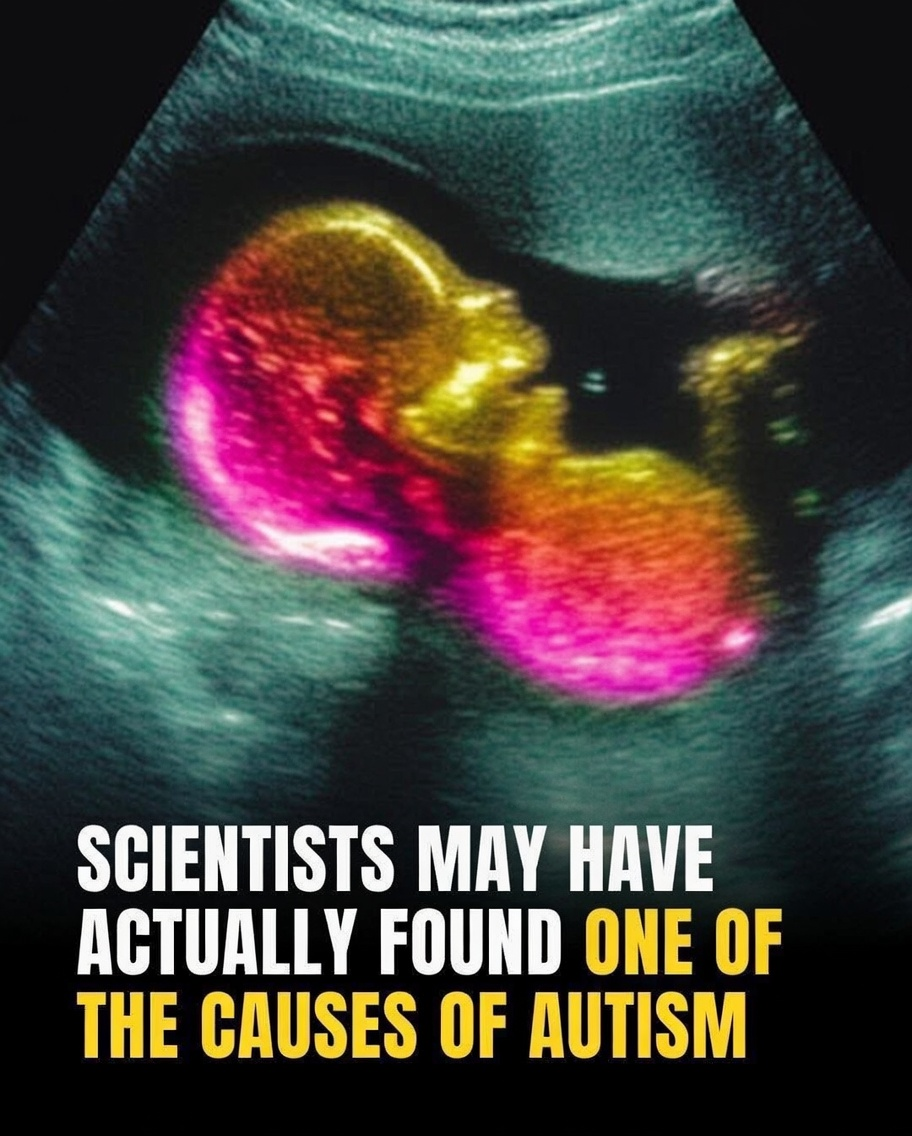
Recent scientific research has sparked important conversations about the complex factors that may influence autism spectrum disorder. A new study published in The Journal of Immunology suggests a surprising link between a mother’s gut microbiome during pregnancy and the potential development of autism-like traits in offspring. While the research was conducted on mice, it opens intriguing doors for understanding how maternal health — particularly the balance of gut bacteria — might play a role in neurodevelopmental outcomes. For parents, expecting families, and anyone interested in child development, these findings highlight the importance of supporting maternal wellness long before birth. The study doesn’t claim to have all the answers, but it adds another piece to the intricate puzzle of autism research that continues to evolve.
The gut microbiome — the trillions of bacteria, fungi, and other microorganisms living in our digestive system — has gained increasing attention for its influence on overall health. From digestion and immunity to mood and brain function, these microbes communicate constantly with our bodies through various pathways. The new research focused on how certain bacteria in a mother’s gut might affect immune responses during pregnancy, specifically involving a molecule called interleukin-17a (IL-17a). When this inflammatory pathway is overactive, researchers observed changes in brain development in the offspring that resembled some characteristics associated with autism spectrum disorder. This connection between maternal gut health and fetal brain development adds weight to the growing understanding that pregnancy is a critical window for supporting long-term neurological outcomes.
In the study, scientists worked with two groups of mice. One group had gut bacteria linked to stronger inflammatory responses triggered by IL-17a, while the control group did not. When IL-17a was temporarily suppressed, both groups of pups showed typical neurodevelopment. However, once the suppression ended and the mice matured naturally, those from the first group began displaying repetitive behaviors and other traits similar to autism. Even more striking, when researchers transferred gut bacteria from the high-inflammation group to the control group through fecal transplants, the second group also developed autism-like behaviors. These findings suggest that the maternal microbiome environment during pregnancy may have a more significant influence than previously understood.
While the research was conducted on mice and cannot be directly applied to humans, it provides a valuable foundation for further investigation. The World Health Organization describes autism as a diverse group of conditions related to brain development that affect social interaction, communication, and behavior. Many individuals with autism also experience co-occurring conditions such as epilepsy, anxiety, depression, or attention deficit hyperactivity disorder. Understanding potential environmental and biological factors — including maternal health — could eventually lead to better support strategies, early interventions, and preventative approaches that improve outcomes for children and families.
Lead researcher John Lukens emphasized the importance of the microbiome in shaping immune responses during development. He noted that the body’s acceptance of pregnancy itself involves complex immune regulation, which is why directly manipulating certain pathways like IL-17a during pregnancy carries risks. Instead, the focus may shift toward identifying specific microbiome features in pregnant mothers that correlate with autism risk and exploring safe, natural ways to support healthy gut balance. This could include dietary changes, probiotics, or other supportive measures that promote overall maternal wellness without interfering with the delicate immune balance required for a healthy pregnancy.
These findings align with broader research showing the gut-brain connection’s powerful influence throughout life. The microbiome produces neurotransmitters, modulates inflammation, and communicates with the brain through the vagus nerve and other pathways. For expectant mothers, maintaining a diverse and balanced gut microbiome through a nutrient-rich diet, adequate fiber, fermented foods, and stress management may offer protective benefits. While no single factor determines autism risk, supporting maternal health during pregnancy represents one actionable area where families and healthcare providers can focus attention.
It’s important to emphasize that this research does not suggest mothers are to blame for autism. Autism is a complex condition with genetic, environmental, and developmental components. The study simply highlights one potential biological pathway that warrants further exploration. Scientists stress the need for human studies to determine how these mechanisms might translate across species and what practical applications could emerge. In the meantime, the emphasis remains on supporting overall maternal and fetal health through evidence-based practices rather than fear or oversimplified conclusions.
For families with children on the autism spectrum or those concerned about development, this study offers hope rather than worry. Greater understanding of biological mechanisms can lead to improved early screening, personalized interventions, and better support systems. Many parents already focus on gut health through nutrition and probiotics, and this research may strengthen the rationale for such approaches when done under medical guidance. The goal is always to empower families with knowledge that supports thriving, not to create anxiety about past choices.
As scientists continue investigating the gut-brain connection and its role in neurodevelopment, expectant parents can focus on foundational wellness practices. Eating a varied, fiber-rich diet, staying hydrated, managing stress, getting adequate sleep, and working closely with healthcare providers create the best possible environment for both mother and child. These steps benefit overall health regardless of specific outcomes and reflect the kind of holistic approach that benefits families long after pregnancy.
The study’s implications extend beyond autism research. It reinforces the idea that maternal health during pregnancy influences multiple aspects of child development in ways we are only beginning to understand. This growing body of knowledge encourages a more comprehensive view of prenatal care that includes gut health, mental wellness, and environmental factors alongside traditional medical monitoring. For healthcare providers, it suggests opportunities to offer more personalized guidance to expectant mothers based on individual health profiles and risk factors.
While much remains to be discovered, this research adds an important chapter to our understanding of neurodevelopmental conditions. It reminds us that human health is interconnected in beautiful and complex ways — from the trillions of microbes in our gut to the development of the brain in the womb. For parents navigating concerns about autism or other developmental differences, the message is one of hope: science continues advancing, support resources are expanding, and every child deserves love, acceptance, and the opportunity to thrive in their own unique way.
The conversation around maternal microbiome and autism development is still evolving, but it underscores a powerful truth: the choices we make to support health during pregnancy can have far-reaching effects. By staying informed, focusing on wellness, and working closely with medical professionals, families can feel empowered rather than overwhelmed. Every pregnancy and every child is unique, and the goal remains the same — nurturing healthy, happy individuals who are supported and celebrated for who they are. The study may raise new questions, but it also opens doors to better understanding and more compassionate care for families everywhere. As research progresses, one thing remains certain: knowledge truly is power when it comes to supporting the next generation.
Most Popular!
-
 A Silly Note That Revealed the Truth of a Christmas Betrayal
-
A Father’s Doubt Shattered His Family and the Regret Still Haunts Him
-
A Father’s Doubt Shattered His Family and the Regret Still Haunts Him
-
A Simple Act of Kindness at the Bakery — Weeks Later a Letter Arrived That Changed Everything
-
Warning Signs of a Heart Attack You Should Never Ignore — Even If They Seem Small
-
What Really Shapes Life After 80 — And Why It’s Not What Most People Think
-
Why You’re Waking Up in the Middle of the Night and How to Fix It for Good
-
A Legacy of Health: Soong Mei-ling’s Remarkable Longevity and Inspiring Fight Against Cancer