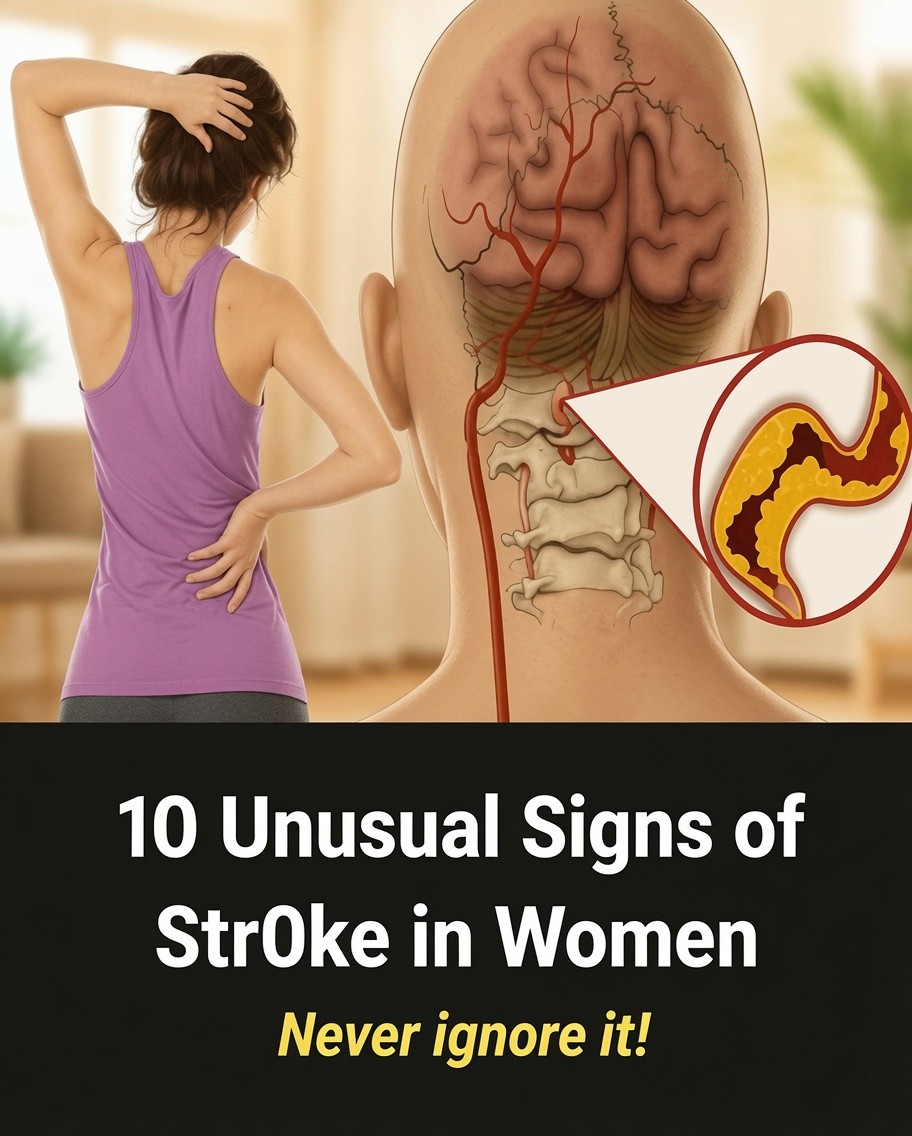
Strokes don’t always look like they do in movies. The dramatic collapse, the slurred speech, the one-sided weakness — those are the classic signs most people recognize. But for women, strokes can show up in quieter, sneakier ways that are easy to dismiss as stress, migraines, or just “one of those days.” Women are more likely to experience atypical symptoms, and because they often brush off discomfort to keep caring for everyone else, these warning signs frequently go unnoticed until it’s too late. Understanding the less obvious signals your body might be sending could mean the difference between full recovery and lifelong disability — or worse. The more we talk about these hidden clues, the more lives we can protect, especially among the women who quietly hold families, careers, and communities together every single day.
One of the most surprising stroke signs in women is sudden, intense fatigue that feels different from normal tiredness. Many women live busy lives juggling work, children, and caregiving responsibilities, so exhaustion is common. But when it hits like a wave out of nowhere — making simple tasks feel impossible and leaving you needing to lie down immediately — it can signal a stroke affecting the brain’s energy centers. This isn’t the kind of tired that a nap fixes. It’s a deep, heavy fatigue that comes with confusion or difficulty concentrating. If you find yourself needing to sit down suddenly or struggling to finish sentences you normally say without thinking, don’t brush it off as needing more coffee. Call for help and get checked right away.
Sudden hiccups or nausea without any stomach bug or food-related reason is another unusual warning that women should never ignore. While hiccups might seem harmless, when they come on strongly and persistently alongside other symptoms, they can indicate irritation in the brain stem from reduced blood flow. The same goes for unexplained vomiting or a feeling like your stomach is in knots for no clear reason. Many women attribute these to hormones, stress, or something they ate, but when they appear suddenly and refuse to go away, they deserve medical attention. Pair these with any dizziness or balance issues, and the risk of stroke becomes even higher.
Changes in vision that feel different from your usual headaches or needing new glasses can be a critical clue. Women sometimes experience sudden blurred vision, double vision, or a curtain-like shadow falling over one eye. These aren’t always dramatic — sometimes it’s just a brief moment of everything looking “off” or difficulty focusing on familiar objects. Because many women already deal with migraines or age-related vision changes, these symptoms get dismissed too easily. But when they come on quickly and are accompanied by any other neurological signs, they can point to a stroke affecting the visual pathways in the brain. Don’t wait to see if it passes. Get evaluated immediately.
Chest pain or heart palpitations that feel different from normal anxiety or indigestion are more common in women having strokes than many realize. While men often experience the classic crushing chest pain, women may feel pressure, tightness, or fluttering sensations that seem more like heartburn or panic. These symptoms can occur because strokes and heart issues share risk factors and pathways. If you feel sudden discomfort in your chest along with any of the other signs on this list, treat it as seriously as you would any other potential emergency. Women’s heart symptoms are often subtler, and the same is true for stroke-related chest sensations.
Generalized weakness or numbness that doesn’t follow the classic one-sided pattern is another sign women should watch for. Instead of clear paralysis on one side, you might feel a heavy, drained sensation throughout your body or unusual tingling that comes and goes. Some women describe it as feeling like their limbs are made of lead or like they’ve run a marathon without exercising. This widespread weakness can be easy to attribute to lack of sleep or a busy schedule, but when it appears suddenly and feels disproportionate to your activity level, it deserves immediate attention. Your brain is trying to tell you something important.
Sudden behavioral or emotional changes can also signal a stroke in women. You might feel unusually irritable, confused, or emotionally flat without any clear reason. Some women experience inappropriate laughing or crying that doesn’t match the situation. These changes happen because strokes can affect areas of the brain responsible for mood and behavior regulation. Because women are often socialized to manage emotions and keep things running smoothly, these shifts might be dismissed as stress or hormonal fluctuations. Trust yourself if something feels neurologically off, even if you can’t explain it clearly.
Difficulty swallowing or a sudden change in taste can be another overlooked sign. You might find yourself choking on food or drink more often, or notice that familiar flavors taste strange or metallic. These symptoms occur when a stroke affects the nerves controlling the throat and tongue. Many women attribute swallowing issues to acid reflux or aging, but when they appear alongside other neurological symptoms, they should never be ignored. Getting evaluated quickly can prevent complications like aspiration pneumonia that often follow untreated swallowing problems.
Loss of balance or coordination that feels different from normal clumsiness is worth paying attention to. You might suddenly find yourself bumping into things, dropping objects more frequently, or feeling unsteady on your feet even in familiar spaces. This isn’t just about being tired or distracted. It can indicate a stroke affecting the cerebellum or other balance centers in the brain. Women who lead active lives sometimes blame these changes on aging or overexertion, but sudden coordination issues deserve prompt medical evaluation to rule out serious causes.
The emotional and mental fog that can accompany a stroke in women often gets mistaken for anxiety or depression. You might feel disconnected from your surroundings, unusually emotional, or struggle to follow conversations you normally understand easily. This mental cloudiness can be frightening and isolating, especially for women who pride themselves on being sharp and capable. When it appears alongside any physical symptoms, it becomes even more important to seek help quickly. Early treatment can minimize long-term cognitive effects and help preserve the mental clarity so many women work hard to maintain.
Recognizing these unusual signs matters because women often delay seeking help longer than men do. We’re conditioned to put others first, to minimize our discomfort, and to assume our symptoms are related to hormones, stress, or being “too busy.” But strokes wait for no one, and every minute without treatment means more brain cells are lost. The faster you act when something feels wrong, the better your chances of recovery and returning to the life you love. If you experience any combination of these symptoms — especially if they come on suddenly — call emergency services immediately. Don’t drive yourself. Don’t wait to see if it passes. Time lost is brain lost.
Prevention remains our strongest defense against stroke. Managing blood pressure, staying active, eating a balanced diet rich in fruits and vegetables, quitting smoking, and controlling conditions like diabetes and high cholesterol all significantly reduce risk. For women, paying attention to hormonal factors, pregnancy complications, and migraine history adds another layer of awareness. Regular check-ups and open conversations with your doctor about any unusual symptoms create the foundation for early detection and better outcomes.
The story of Dr. Sandra Lee’s public stroke while filming served as a powerful reminder that these events can happen to anyone, even highly accomplished women who seem to have everything under control. Her transparency helped raise awareness and encouraged countless women to take their symptoms seriously rather than pushing through them. We need more stories like hers — honest accounts that show strokes don’t always look the way we expect and that seeking help quickly can lead to full recovery and continued meaningful lives.
Your body has remarkable ways of signaling when something isn’t right. Learning to listen — really listen — to those signals can be lifesaving. Women often put the needs of others first, but protecting your own health allows you to continue caring for those who depend on you. Share this information with the women in your life. The conversation might feel uncomfortable, but it could save a life. Strokes are serious, but they are not always fatal or permanently disabling when addressed promptly. Knowledge truly is power in these situations. By understanding the unique ways strokes may present in women and acting decisively when warning signs appear, we give ourselves and our loved ones the best possible chance at full recovery and continued health. Your awareness today could prevent a tragedy tomorrow. Stay informed, stay vigilant, and never hesitate to seek help when something feels wrong. Your life — and the lives of those who love you — are worth it.
Most Popular!
-
 After My Wife Was Gone, I Found a Divorce Decree From 20 Years Ago — And the Family Secret That Followed Changed Everything
-
The Day My Son’s Bride Slapped Me — And How It Set Me Free
-
Orphanage Sweethearts Finally Marry — A Long-Lost Letter and Life-Changing Inheritance Gave Them the Dream Home They Never Thought Possible
-
Little-Known Mistakes and Bloopers in The Rifleman That Fans Still Debate Today
-
Shocking New Presidential Polls Reveal Where Americans Stand on Donald Trump
-
The Natural Power of Cloves: Home Remedies for Better Health at Any Age
-
After Eleven Years of Marriage, My Husband Left Me for Someone Younger — But When Karma Struck, He Came Crawling Back
-
The Overlooked Area of Self-Care That Can Quietly Affect Life After 60 — And How to Handle It With Dignity