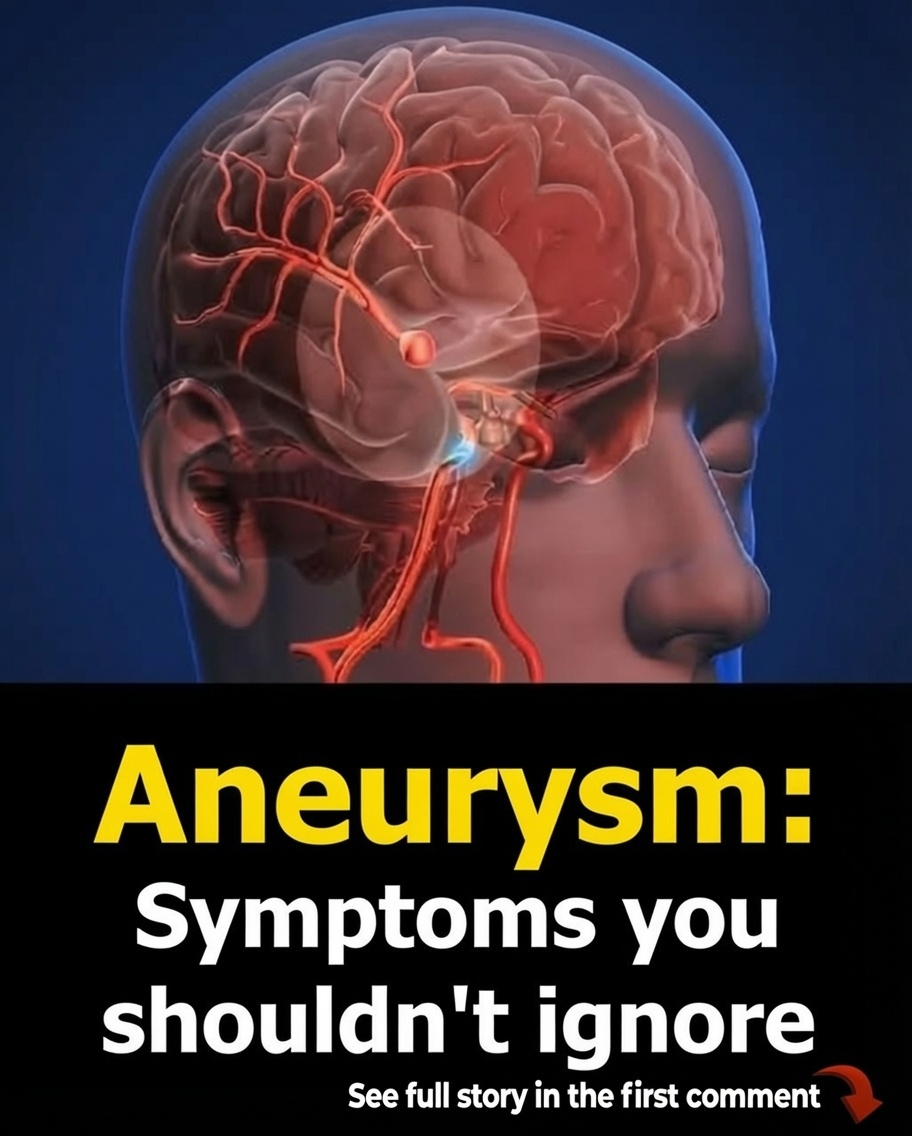
Aneurysms are often called silent killers for a devastating reason: they can grow quietly for years without causing any noticeable symptoms until they suddenly rupture, leading to life-threatening emergencies. Many people assume these dangerous bulges in blood vessels only affect older adults or those with obvious risk factors, but the truth is far more concerning. Anyone can develop an aneurysm, and catching the subtle early warning signs can mean the difference between a manageable medical situation and a fatal outcome. Understanding what your body might be trying to tell you could save your life or the life of someone you love.
One of the most common yet frequently dismissed early signs is a persistent, unusual headache. Unlike typical tension headaches or migraines that many people experience regularly, an aneurysm-related headache often feels different — more severe, sudden, or accompanied by a strange sensation described as the “worst headache of your life.” This pain may localize behind the eyes or in the back of the head and can come with sensitivity to light or nausea. Many people brush it off as stress or dehydration, but when it feels unusually intense or arrives without clear cause, it deserves immediate medical attention. Early detection through imaging can identify an aneurysm before it becomes an emergency.
Vision changes represent another critical warning signal. Blurred vision, double vision, or sudden loss of peripheral vision can occur when an aneurysm presses on nerves connected to the eyes. Some people report seeing flashes of light or experiencing drooping eyelids on one side. These symptoms are particularly concerning when they appear suddenly and without explanation. Because vision problems can stem from many causes, including migraines or fatigue, it’s essential to seek professional evaluation rather than assuming they will pass. An aneurysm affecting the brain’s blood vessels can impact the optic nerves long before rupture.
Chronic neck pain or stiffness that doesn’t improve with rest or typical treatments can also indicate trouble. When an aneurysm develops in cerebral blood vessels, it may create pressure that radiates down into the neck and shoulders. This discomfort often feels different from muscle strain — deeper, more constant, and sometimes accompanied by a pulsing sensation. Many adults dismiss this as aging or poor posture, especially those who spend long hours at desks or driving. However, when combined with other symptoms, it warrants a conversation with a healthcare provider.
Dizziness, balance problems, or sudden episodes of feeling faint are frequently overlooked warning signs. An aneurysm can disrupt normal blood flow to the brain, causing these vestibular disturbances. People often attribute them to low blood sugar, dehydration, or inner ear issues, but when they occur repeatedly without clear triggers, they deserve investigation. The risk increases significantly for individuals with high blood pressure, smoking history, or family members who have experienced aneurysms.
Seizures or unusual neurological episodes can sometimes be the first indication of a growing aneurysm. These may range from brief moments of confusion to full convulsions. Because they can mimic other conditions like epilepsy or migraines with aura, proper medical evaluation including MRI or CT angiography is crucial. Family history plays a significant role here — if aneurysms run in your family, staying vigilant about any new neurological symptoms becomes even more important.
Pain above and behind one eye or localized facial pain can signal an aneurysm pressing on nearby nerves. This discomfort may feel similar to sinus pressure but persists despite treatment for allergies or infections. Some people also experience drooping eyelids or pupil dilation on one side, known as Horner’s syndrome when caused by vascular issues. These localized symptoms are particularly important because they often point to the exact location of the problem.
Cognitive changes, including difficulty concentrating, short-term memory problems, or sudden mood shifts, can emerge as an aneurysm affects brain function. Many people in their 40s and 50s dismiss these as normal aging or stress, but when they appear alongside other physical symptoms, they should never be ignored. Early intervention can prevent more serious cognitive decline or rupture.
Nausea and vomiting without obvious gastrointestinal causes, especially when paired with headaches or vision changes, can indicate increased intracranial pressure from an enlarging aneurysm. This symptom cluster is particularly dangerous because it mimics many other conditions, leading to delayed diagnosis. Trusting your instincts when something feels “off” can be lifesaving.
Sensitivity to light or sound that seems disproportionate to the situation may also serve as an early clue. This heightened sensitivity often accompanies the severe headaches associated with aneurysms and can interfere with daily activities. While many people experience this with migraines, the combination with other neurological symptoms should prompt medical evaluation.
Fatigue that feels different from normal tiredness — a deep, unexplained exhaustion that rest doesn’t relieve — can signal the body working overtime to compensate for compromised blood flow. When combined with any of the other signs mentioned, this symptom becomes particularly concerning.
Prevention and early detection remain your strongest defenses. Managing blood pressure, quitting smoking, maintaining a healthy weight, and controlling conditions like diabetes significantly reduce risk. Regular check-ups become especially important if you have a family history of aneurysms or other vascular issues. Advanced imaging techniques can detect aneurysms before symptoms appear in high-risk individuals.
If you or someone you love experiences any combination of these warning signs, seek medical attention promptly. Time is critical when dealing with vascular issues. Modern medicine offers excellent treatment options when aneurysms are caught early, including minimally invasive procedures that can prevent rupture entirely.
Living with awareness doesn’t mean living in fear. It means giving yourself and your loved ones the best possible chance at long, healthy lives. Many survivors of aneurysm events emphasize how subtle early symptoms were before the crisis. By educating ourselves about these signs, we empower ourselves to act decisively when it matters most.
The human body has remarkable ways of signaling when something isn’t right. Learning to listen — really listen — to those signals can be one of the most important things you do for your health. An aneurysm doesn’t have to be a death sentence. With knowledge, vigilance, and prompt medical care, many people go on to live full, active lives after diagnosis and treatment.
Take a moment today to assess your own risk factors and discuss any concerning symptoms with your doctor. Share this information with family members, especially those with family history. The conversation might feel uncomfortable, but it could save a life. Your future self — and everyone who loves you — will be grateful for the attention you pay to these important warning signs.
Early detection truly is the best protection. Listen to your body. Trust your instincts. And never hesitate to seek help when something feels wrong. The difference between a manageable medical situation and a medical emergency often comes down to that single decision to pay attention and act.
Most Popular!
-
 5 Stroke Signs Every Woman Should Know — Especially After Dr. Pimple Popper’s Scary On-Camera Incident
-
Firefighters Warn: Never Leave a Water Bottle in Your Car — The Hidden Danger That Could Destroy Everything in Minutes
-
I Divorced My Wife Because I Believed She Betrayed Me — A Year Later I Found Her on a Dusty Road Holding Twin Babies Who Looked Exactly Like Me
-
The Doctor Found a Mass in My Son’s Abdomen — Then Asked His Father a Question That Shattered Our Entire Marriage
-
I Came Home From Saudi Arabia to Find My Wife and Son Living Like Servants in the Mansion I Paid For — What Happened Next Destroyed My Family
-
I Opened the Box Nine Months After My Husband’s Funeral — And the Secret Inside Destroyed the Family That Betrayed Him
-
She Locked Me in the Bathroom During Labor So I Wouldn’t Ruin Her Daughter’s Wedding — But the Photo Changed Everything
-
I Was Lying Helpless on the Living Room Floor When My Husband Whispered the Words That Finally Set Me Free